Unlocking the potential of AI-powered transcription offers a transformative approach to learning and knowledge dissemination. This comprehensive guide dives into the practical application of AI for transcribing lectures, from initial setup to post-transcription refinement. It explores the advantages of this innovative technology and details the steps necessary to ensure accurate and efficient transcriptions, ultimately enhancing the learning experience.
The guide covers various aspects, including selecting the right AI transcription platforms, optimizing audio quality for accurate transcription, and strategies for improving the accuracy of AI-powered transcription, especially with accents or dialects. Moreover, it provides insights into post-transcription editing and integrating transcribed lectures into existing learning management systems, enabling efficient study and review.
Introduction to AI-Powered Lecture Transcription
Lecture transcription, the process of converting spoken language into written text, plays a crucial role in accessibility, research, and education. It allows individuals with hearing impairments to access lectures, facilitates detailed analysis of academic discussions, and enables efficient review of material for students. Accurate and timely transcription is vital for capturing the nuances of spoken information.AI is revolutionizing lecture transcription, offering significant advantages over traditional methods.
By leveraging sophisticated algorithms and machine learning models, AI systems can transcribe spoken content with remarkable accuracy and speed, surpassing the limitations of human transcribers in terms of efficiency and cost-effectiveness.
Benefits of AI-Powered Transcription
AI-powered transcription offers numerous benefits, including:
- Increased Efficiency: AI systems can transcribe lectures at a much faster rate than human transcribers, significantly reducing turnaround time.
- Improved Accuracy: Advanced algorithms allow for higher accuracy in recognizing and transcribing spoken words, leading to more reliable transcripts.
- Cost-Effectiveness: AI-powered transcription often proves more cost-effective in the long run, reducing the expenses associated with human transcribers and associated overhead.
- Enhanced Accessibility: Transcribed lectures are easily accessible to individuals with hearing impairments, fostering inclusivity in education and research.
- Facilitated Research: Accurate transcripts allow for more detailed analysis of academic discussions, leading to deeper insights and improved research outcomes.
Comparison of Traditional and AI-Powered Methods
The following table Artikels a comparison between traditional lecture transcription methods and AI-powered alternatives:
| Feature | Traditional Methods (Human Transcribers) | AI-Powered Methods |
|---|---|---|
| Speed | Slower, often requiring significant time for transcription | Faster, often completing transcription in real-time or near real-time |
| Accuracy | Dependent on the transcriber’s skill and attention span; prone to errors | Generally higher accuracy due to sophisticated algorithms; continuously improving |
| Cost | Higher cost per hour of transcription, potentially requiring significant personnel expenses | Lower cost per hour, often more cost-effective, especially for large volumes of transcription |
| Accessibility | Limited to those with access to human transcribers | Accessible to a broader audience through online platforms and tools |
| Scalability | Difficult to scale for large volumes of lectures | Highly scalable, capable of handling large quantities of transcription requests |
Different AI Transcription Platforms and Software
AI-powered transcription platforms are rapidly evolving, offering a wide array of features and pricing models. Choosing the right platform depends on specific needs, including the volume of transcriptions required, the desired level of accuracy, and the budget constraints. Understanding the strengths and weaknesses of each platform is crucial for making an informed decision.
Popular AI Transcription Platforms
Several platforms dominate the AI transcription market, each with its own unique approach to transcription and pricing. This section explores some of the most popular options, highlighting their key features and pricing models.
- Otter.ai: Otter.ai is a popular choice for real-time transcription, especially for meetings and lectures. It offers a straightforward interface and robust features for organizing and managing transcriptions. Key features include real-time transcription, speaker identification, searchable transcripts, and integrations with various platforms like Zoom and Google Meet. Otter.ai’s pricing model is tiered, with higher tiers offering more features and increased transcription volume.
Basic plans are generally suitable for individuals and small teams, while enterprise plans cater to larger organizations with substantial transcription needs.
- Trint: Trint is another prominent player in the AI transcription space. It excels in providing high-quality, accurate transcriptions, particularly for complex audio and video content. Key features include robust speaker identification, detailed timestamps, and advanced search functionalities. Trint also offers integrations with various platforms and tools. Pricing is typically tiered, with different plans based on transcription volume and required features.
- Descript: Descript focuses on a comprehensive audio and video editing experience, incorporating transcription as a core component. Key features include real-time transcription, speaker identification, and powerful editing tools. It’s an excellent choice for those needing to edit and collaborate on transcribed content. Descript’s pricing is typically subscription-based, with costs increasing based on the number of users and features included.
- Happy Scribe: Happy Scribe provides transcription services for various industries. Their key features include high-quality transcriptions, multiple language support, and turnaround times. It’s a robust platform particularly useful for large-scale transcription projects. Happy Scribe often utilizes a project-based pricing model, where costs are calculated based on the length of audio and the desired turnaround time.
Key Features Comparison
The table below summarizes the key features of each platform, allowing for a quick comparison.
| Platform | Real-time Transcription | Speaker Diarization | Search Functionality | Integration with other Platforms |
|---|---|---|---|---|
| Otter.ai | Yes | Yes | Yes | Yes (Zoom, Google Meet) |
| Trint | Yes | Yes | Yes | Yes (Various) |
| Descript | Yes | Yes | Yes | Yes (Various) |
| Happy Scribe | No | Yes | Yes | Limited |
Pricing Models Comparison
Pricing models vary significantly across these platforms. Some platforms offer tiered subscription models, while others use a project-based approach. This section highlights the pricing differences.
- Otter.ai: Otter.ai’s pricing is tiered, with costs increasing as the transcription volume and features increase. Basic plans are relatively affordable, but higher-tier plans can be more expensive. Volume discounts are often available for larger organizations.
- Trint: Trint also uses a tiered subscription model, with prices scaling based on usage and required features. Similar to Otter.ai, volume discounts may be available for high-volume users.
- Descript: Descript’s pricing is primarily subscription-based, focusing on a per-user or per-team basis. The cost increases with the number of users and features. This model is more suited to teams or organizations.
- Happy Scribe: Happy Scribe often uses a project-based pricing model. Costs are calculated based on the length of audio and the desired turnaround time. This model offers greater flexibility but might be less transparent upfront.
Pros and Cons of Each Platform
This table summarizes the advantages and disadvantages of each platform, allowing for a balanced perspective.
| Platform | Pros | Cons |
|---|---|---|
| Otter.ai | User-friendly interface, real-time transcription, strong integrations. | Pricing can increase significantly for high-volume users. |
| Trint | High accuracy, robust features, detailed timestamps. | Interface may be less intuitive for some users. |
| Descript | Powerful editing tools, collaborative features. | Subscription-based pricing can be substantial for individual users. |
| Happy Scribe | High-quality transcriptions, flexible pricing. | Less user-friendly interface, limited integrations. |
Preparing for AI Transcription
Ensuring optimal audio quality is crucial for accurate AI transcription of lectures. Proper recording settings and a conducive environment significantly impact the reliability and comprehensibility of the transcribed text. This section details the essential steps for preparing for AI transcription, focusing on audio quality and minimizing distractions.
Optimal Audio/Video Recording Settings
High-quality audio recordings are fundamental to successful transcription. Employing appropriate settings enhances the clarity and accuracy of the transcription process. Using a microphone with good directional characteristics minimizes background noise and focuses on the speaker. Adjusting the recording level ensures the audio isn’t too quiet or distorted, a common issue with low or high volumes. Setting the recording sample rate to a higher rate, like 44.1 kHz, captures more detail in the audio, potentially leading to improved transcription accuracy.
Likewise, using a higher bit rate for recording, such as 24-bit, can help preserve the nuances of the audio signal. Consider these factors when choosing your recording equipment and software.
Importance of a Quiet Recording Environment
A quiet recording environment is paramount for achieving high-quality transcriptions. Background noise, even seemingly minor distractions, can significantly impact the accuracy of AI transcription software. For example, a busy office or a noisy classroom can introduce unwanted sounds that the AI might misinterpret as part of the lecture, resulting in errors. Minimizing background noise and ensuring a calm environment enhances the transcription process’s effectiveness.
The transcription accuracy is directly correlated to the audio quality.
Challenges of Noisy Environments and Mitigation Strategies
Unfortunately, perfectly quiet environments are often unrealistic, particularly in academic settings. However, various strategies can mitigate the impact of noisy environments. Using noise-canceling microphones or headphones can reduce the influence of background sounds on the recording. Consider recording in a dedicated space free from unnecessary distractions. If possible, choose a time when ambient noise levels are lower, such as early mornings or late evenings.
For situations where noise is unavoidable, employing advanced noise reduction software can help filter out unwanted sounds after the recording is complete. This process can improve the transcription quality by removing distracting background noises. The more sophisticated the noise reduction software, the better the results.
Strategies to Ensure High-Quality Audio Input
Several strategies contribute to a higher quality audio input, a prerequisite for reliable transcription. A high-quality microphone is essential. A microphone with good directional characteristics helps to minimize the impact of background noise. Proper microphone placement is crucial, ensuring the microphone is positioned correctly to capture the speaker’s voice clearly. This often means placing the microphone relatively close to the speaker, but not so close that it picks up unwanted sounds or distortion.
Using a sturdy tripod for the microphone can help keep it stable and avoid unwanted movement. If using a laptop microphone, ensure that the laptop is stable and not vibrating during the recording.
Methods for Optimizing Transcription Accuracy
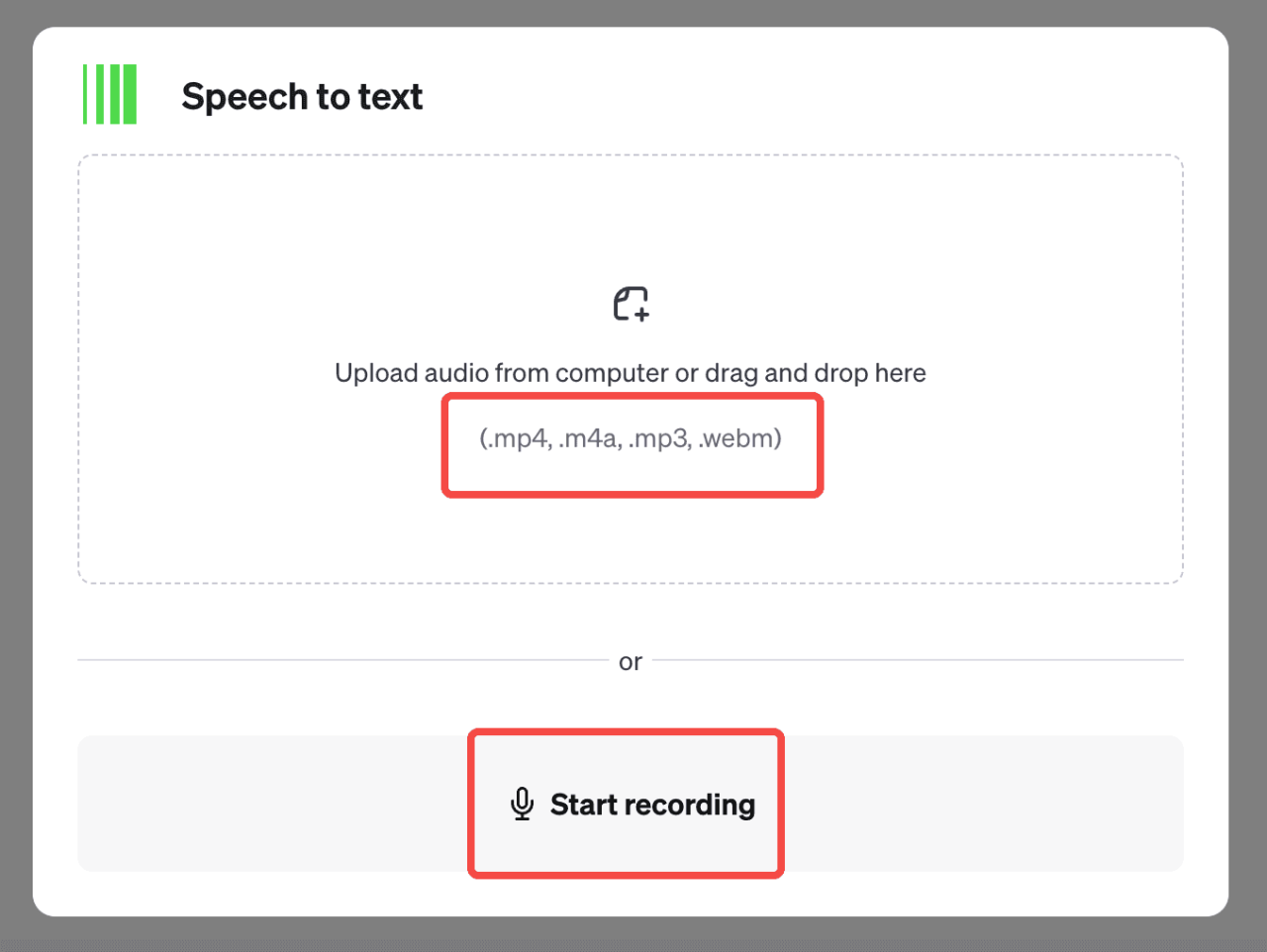
Leveraging AI for lecture transcription offers significant benefits, but achieving optimal accuracy requires careful attention to various factors. This section explores strategies for enhancing the reliability of AI-powered transcription, particularly when dealing with complex audio environments or diverse accents.Improving audio quality and understanding the limitations of AI are key to accurate transcriptions. Techniques for audio enhancement, error identification, and strategies to mitigate the impact of accents and dialects will be discussed.
These methods will help users obtain more precise and valuable transcripts from lectures.
Audio Enhancement Techniques
Proper audio preparation is fundamental to maximizing transcription accuracy. Several techniques can significantly improve the quality of the audio input, ultimately leading to more reliable transcriptions. These techniques include noise reduction, audio normalization, and audio equalization.
- Noise Reduction: Noise reduction algorithms filter out background sounds, such as ambient chatter or environmental noises. This process isolates the speaker’s voice, improving the signal-to-noise ratio and enhancing the clarity of the audio. This leads to better recognition of spoken words by the transcription software. Examples of noise reduction software include Audacity and Adobe Audition, which offer various tools to address different types of noise.
Using these tools can be crucial when transcribing lectures in noisy environments.
- Audio Normalization: Audio normalization adjusts the volume levels of the audio file to a consistent amplitude. This ensures that the input audio has a uniform dynamic range, making it easier for the transcription software to process. This consistency helps prevent the software from misinterpreting varying audio levels as different words or phrases. Normalization can improve the reliability of transcription by creating a more predictable input for the AI models.
- Audio Equalization: Audio equalization adjusts the frequency balance of the audio file. This can be particularly helpful in cases where certain frequencies are excessively emphasized or diminished, potentially impacting the intelligibility of the audio. By balancing the audio frequencies, the AI models can more accurately recognize spoken words, thus increasing transcription accuracy. This is particularly useful for lectures with a mix of high and low frequency speech.
Identifying and Addressing Potential Transcription Errors
AI transcription, while powerful, is not infallible. Understanding potential error sources and employing strategies to mitigate their impact is crucial for obtaining accurate transcripts. Common errors include misinterpretations of similar-sounding words, omissions, and additions.
- Reviewing and Editing: After the initial transcription, a review and manual editing process is essential. Human review allows for the identification and correction of errors. This careful review of the transcript helps to spot and correct any mistakes introduced by the AI.
- Identifying Misinterpretations: Closely examine sections where the AI might have misidentified similar-sounding words. Using context clues, such as surrounding words and phrases, can help to correct these errors. This includes listening to the audio again to understand the specific words being spoken.
- Addressing Omissions and Additions: Review the transcript for any omissions or additions. These errors may stem from the AI’s difficulty in processing fast speech or overlapping sounds. By carefully analyzing the audio, these errors can be corrected, thus ensuring a complete and accurate record of the lecture.
Improving Accuracy with Difficult Accents or Dialects
AI models are trained on vast datasets, but these datasets may not always encompass the full range of accents and dialects. This can lead to lower accuracy when transcribing lectures with complex speech patterns. Strategies to improve accuracy include training the AI on specific accents or dialects, or by incorporating additional data.
- Dialect-Specific Training Data: Providing the AI with more data from the target dialect or accent can significantly improve its ability to recognize and transcribe the speech patterns correctly. By using more representative examples, the AI can better adapt to the particular nuances of the speech, leading to more accurate transcriptions.
- Contextual Clues: Incorporating contextual information from the lecture’s subject matter can be beneficial. This can involve using specialized vocabulary and domain-specific knowledge to help the AI interpret speech patterns. This approach allows the AI to rely on the surrounding words to better understand the specific nuances of the spoken language.
Post-Transcription Editing and Refinement
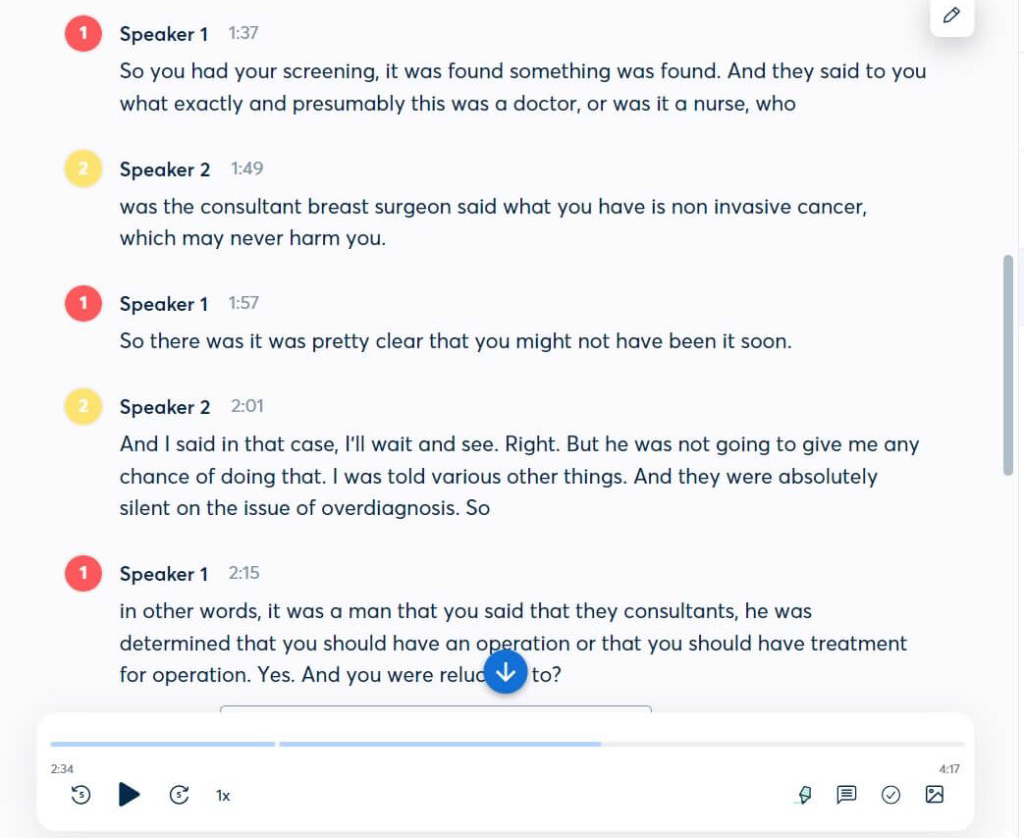
AI-powered transcription, while remarkably efficient, often requires human intervention for optimal accuracy and clarity. Post-transcription editing is a crucial step in ensuring the transcribed text aligns with the original lecture’s intent and meaning. This process goes beyond simply correcting typos; it involves understanding the nuances of spoken language and the context of the lecture to produce a polished, professional product.Post-transcription editing involves meticulous review, identifying and correcting errors, and ensuring the final product accurately reflects the speaker’s intended message.
This process requires a keen eye for detail, an understanding of the subject matter, and a familiarity with the nuances of the spoken language. Effective editing ensures the transcribed text is not only accurate but also readable and useful for the intended audience.
Importance of Post-Transcription Review
Accurate transcription is essential for effective learning and research. Errors in transcription can lead to misunderstandings, misinterpretations, and inaccuracies in the recorded content. A thorough review ensures the final product is a reliable and accurate representation of the original lecture. This, in turn, facilitates effective knowledge transfer and utilization.
Strategies for Proofreading Transcribed Text
Several strategies can be employed for comprehensive proofreading of transcribed text. Careful attention to detail and understanding the context of the lecture are paramount.
- Contextual Understanding: Reviewing the transcription within the broader context of the lecture is vital. This approach helps in identifying errors that might be missed during a simple word-by-word review. For instance, understanding the subject matter and the speaker’s previous statements allows for a more accurate interpretation of ambiguous or unclear phrases.
- Comparison with Audio: Continuously comparing the transcribed text with the audio recording helps identify discrepancies in the speech. This is a critical step in ensuring accuracy. For example, if a word is unclear in the audio, the transcription might contain an incorrect word. Using the audio as a reference allows for immediate verification.
- Utilizing Grammar and Style Guides: Applying grammar and style guides enhances the overall quality and readability of the transcription. This ensures consistency in formatting, language usage, and tone. For instance, a consistent citation style enhances the professionalism of the transcribed lecture.
Techniques for Identifying and Correcting Errors
Identifying and correcting errors in transcription requires a systematic approach.
- Identifying Typos and Spelling Errors: Proofreading for typos and spelling errors is a fundamental aspect of post-transcription editing. Tools like spell checkers and grammar checkers can assist in this process. For instance, “there” can easily be mistaken for “their,” and the context of the lecture helps in determining the correct usage.
- Addressing Speaker Errors and Ambiguities: Transcription often captures the exact phrasing used by the speaker, which may include pauses, filler words, or unintentional repetitions. Identifying these speaker-specific characteristics and ambiguities in the transcription is crucial. For instance, understanding the speaker’s accent or regional dialect can help interpret unclear utterances.
- Using Reference Materials: Referring to relevant materials, such as lecture notes, presentations, or previous discussions, can assist in correcting errors and ambiguities. This is especially useful for technical lectures or specialized topics.
Best Practices for Incorporating Edits
Implementing edits into the transcribed text effectively is essential for maintaining the integrity of the document.
- Track Changes: Using a word processing tool’s track changes feature is an effective method for documenting edits and their reasoning. This feature enables easy review and approval of changes.
- Consistent Formatting: Maintaining consistent formatting throughout the transcription is critical for readability and professionalism. This includes consistent use of capitalization, punctuation, and paragraphing. For instance, consistent formatting of citations enhances the overall aesthetic of the transcription.
- Review and Approval Process: Establishing a review and approval process involving multiple editors ensures quality control and reduces errors. This process ensures consistency in quality and reduces errors.
Integrating Transcribed Lectures into Learning
Leveraging AI-powered transcriptions of lectures provides a wealth of opportunities for enhanced learning. This section delves into practical strategies for organizing, utilizing, and integrating transcribed materials into existing learning systems, thereby maximizing their educational value. By thoughtfully structuring and utilizing these resources, students can gain a deeper understanding of course content and solidify their learning.Effective integration of transcribed lectures hinges on a well-defined system for organization and accessibility.
Proper storage and retrieval of transcribed materials are crucial for efficient study and review. This meticulous approach ensures that students can readily access the information they need, when they need it, fostering a more comprehensive learning experience.
Organizing and Storing Transcribed Lecture Materials
A well-structured system for storing transcribed lecture materials is essential for easy retrieval and efficient review. Consider using a consistent file naming convention (e.g., CourseName_LectureNumber_Date). Categorize files by course, lecture number, and date for straightforward searching. Utilizing cloud storage or dedicated file management software can ensure secure storage and accessibility across various devices. This approach streamlines the search process and prevents the loss of valuable learning resources.
Strategies for Effectively Using Transcribed Lectures for Study and Review
Effective utilization of transcribed lecture materials extends beyond simple storage. Students should actively engage with the material through techniques like highlighting key concepts, summarizing main points, and creating personal annotations. These actions solidify understanding and facilitate recall during exams or review sessions. Reviewing the transcriptions prior to attending the live lecture can also help anticipate upcoming topics, facilitating a more meaningful learning experience.
Designing a Table for Incorporating Transcribed Lectures into Learning Plans
A well-structured table can guide the integration of transcribed lectures into learning plans. This table showcases various methods for incorporating these materials into the learning process.
| Method | Description | Example |
|---|---|---|
| Pre-Lecture Review | Review the transcription before attending the live lecture to gain an overview and identify key areas for focus during the class. | Review the transcription of Lecture 3 on “Statistical Inference” before attending the live lecture to anticipate topics like hypothesis testing and confidence intervals. |
| Post-Lecture Review and Summarization | After the lecture, review the transcription to reinforce key concepts and identify areas needing further clarification. Create concise summaries of each section to solidify understanding. | Review the transcription of Lecture 4 on “Regression Analysis” to identify key concepts, and summarize the different types of regression models discussed. |
| Targeted Review | Utilize the transcription to focus on specific areas requiring additional study. This is particularly useful for difficult or complex concepts. | Review the transcription of the section on “Time Series Analysis” from Lecture 5 to better understand the different models and techniques discussed. |
| Flashcards | Create flashcards based on key terms, concepts, and formulas from the transcriptions for active recall and memorization. | Create flashcards for terms like “stationary process,” “ARIMA model,” and “seasonal decomposition” from the transcription of Lecture 6 on “Time Series Forecasting.” |
Integrating Transcribed Lecture Material into Existing Learning Management Systems (LMS)
Integration with Learning Management Systems (LMS) offers a seamless way to manage and access transcribed lectures. Many LMS platforms allow for direct file uploads or integration with cloud storage services. By embedding the transcribed lectures within the LMS modules, students can easily access the material alongside other course resources, facilitating a streamlined learning experience. This approach ensures all course materials are readily available in one convenient location, eliminating the need for separate file management systems.
Addressing Potential Challenges
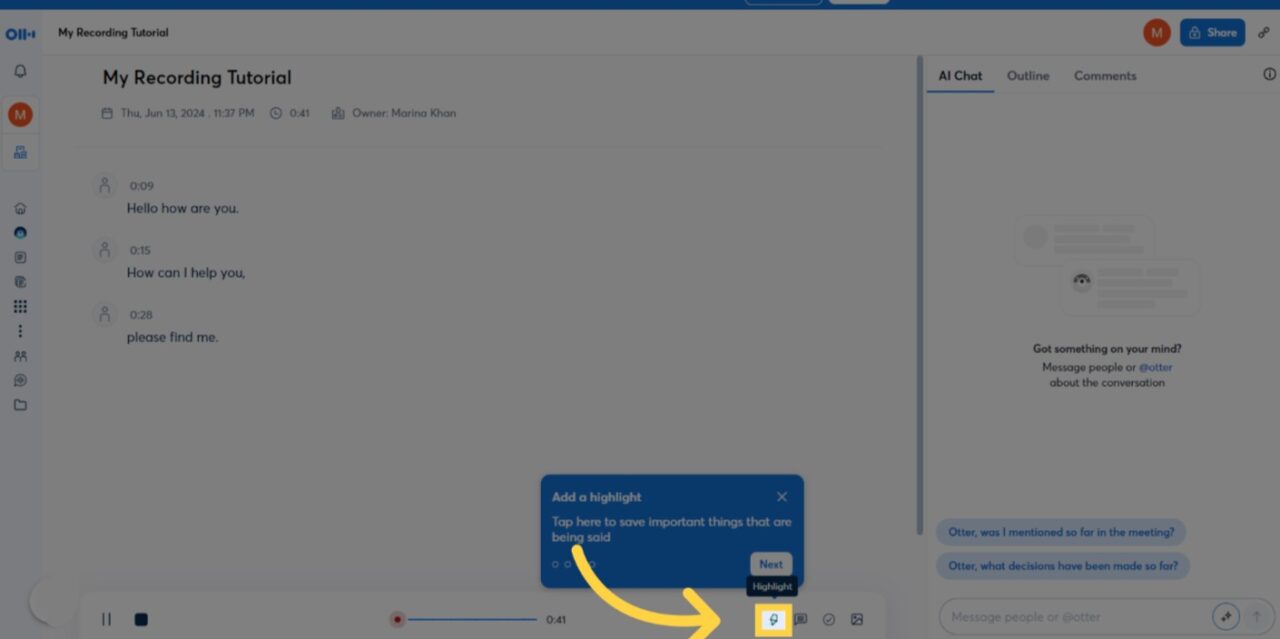
AI-powered lecture transcription, while offering significant benefits, is not without potential pitfalls. Understanding these challenges and implementing strategies to mitigate them is crucial for achieving optimal results. This section will explore common issues related to accuracy and provide practical solutions for improved transcription quality.
Potential Issues with AI Transcription Accuracy
AI transcription models, while remarkably sophisticated, are not infallible. Various factors can contribute to inaccuracies, impacting the clarity and usefulness of the transcribed text. These factors include variations in speaker accents, background noise, technical limitations of the audio recording, and complex or nuanced language. Furthermore, the model’s training data can influence its performance, potentially leading to misinterpretations of specific terminology or jargon within the lecture.
Strategies for Dealing with Transcription Issues
Several strategies can help address the potential issues mentioned above. These methods focus on enhancing the quality of the audio input, choosing appropriate transcription settings, and refining the output after transcription.
Common Problems and Solutions
- Speaker Accents and Dialects: AI models may struggle with unfamiliar accents or dialects, leading to misinterpretations. To improve accuracy, consider using a transcription platform that supports multiple languages and accents. Pre-processing the audio, if possible, by reducing background noise or applying audio enhancement tools can also help. If the lecturer’s accent is known, using a model specifically trained on that dialect or accent may improve accuracy.
- Background Noise and Audio Quality: Poor audio quality, including background noise, can severely affect transcription accuracy. Ensure the lecture recording is in a quiet environment, minimizing distracting sounds. Use noise-canceling microphones if possible. Consider using audio editing software to reduce background noise before running the transcription.
- Complex Language or Jargon: AI models may struggle with complex terminology, specialized vocabulary, or rapidly spoken phrases. Providing context or additional information to the AI model can enhance its understanding, potentially leading to more accurate transcriptions. Consider using models trained on a specific domain to ensure better recognition of specialized language. If feasible, providing a brief glossary of key terms beforehand can improve transcription.
- Technical Limitations: Transcription models have limitations in their ability to understand nuanced speech patterns. Overlapping speech, fast-paced delivery, or speaker pauses can also impact accuracy. Re-record the lecture, if possible, to enhance clarity and reduce potential transcription errors. Consider breaking down long lectures into shorter segments for transcription, which may improve accuracy and clarity.
- Misinterpretation of Speaker Intent: AI models may sometimes misinterpret speaker intent or subtle nuances in language. Using post-transcription editing to review and clarify ambiguous sections is essential for ensuring the transcript accurately reflects the lecturer’s meaning.
Potential Problems When Using AI Transcription
- Inaccurate Transcriptions: The model may produce transcriptions with errors, omissions, or misinterpretations. Strategies for dealing with this include using editing tools and checking for consistency.
- Misinterpretation of Context: AI models might fail to grasp the full context of the lecture, leading to misinterpretations of the speaker’s intent. This can be addressed through careful post-transcription editing and review.
- Lack of Nuance and Subtlety: AI models might miss subtle changes in tone or inflection that are important for conveying meaning. Editing and review by a human editor is crucial to ensure the transcript accurately reflects the speaker’s nuances.
- Inconsistent Performance: The accuracy of the transcription can vary depending on the specific model and audio quality. Testing different models and ensuring optimal audio conditions can improve consistency.
- Integration Challenges: Integrating the transcribed lecture into learning management systems or other platforms may present technical difficulties. Carefully testing the integration process beforehand can help mitigate these challenges.
Future Trends and Advancements in AI Transcription
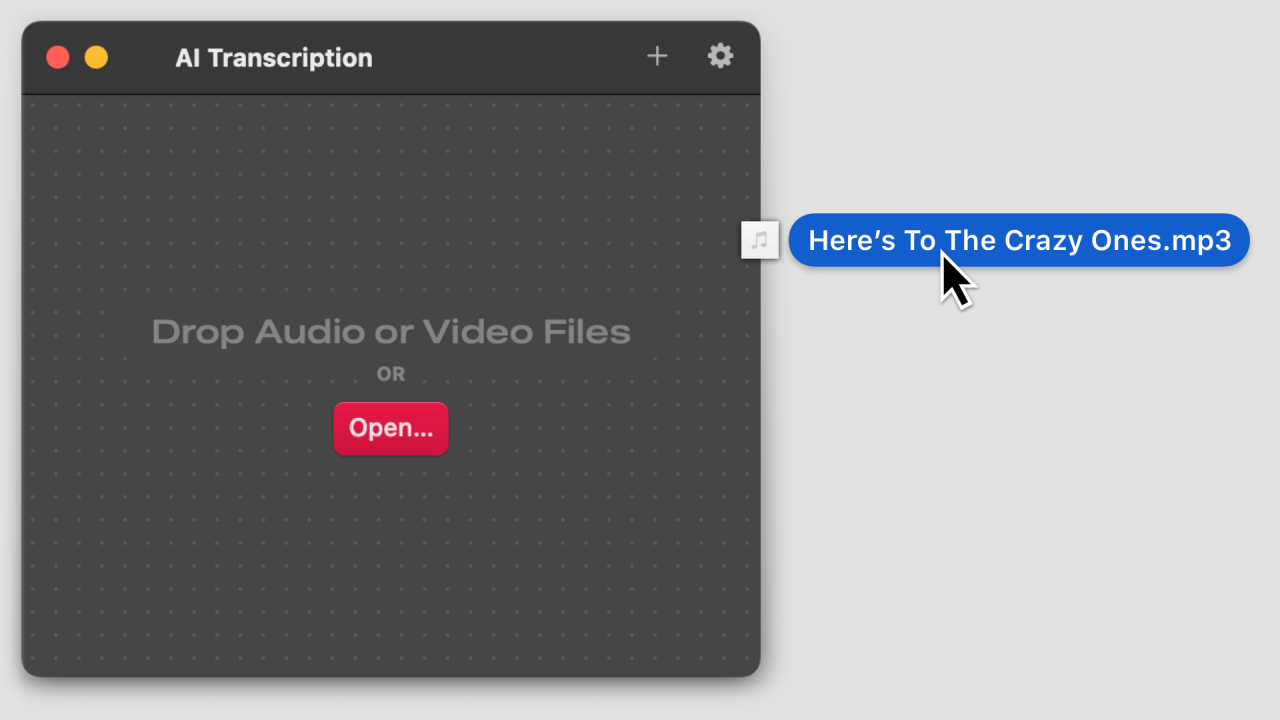
AI-powered lecture transcription is rapidly evolving, driven by advancements in machine learning and natural language processing. These improvements promise to enhance the accessibility and usability of educational content for students and researchers alike. The future of lecture transcription holds exciting possibilities, from increased accuracy to more sophisticated functionalities.The continued development of sophisticated algorithms will lead to more accurate and nuanced transcriptions, particularly in handling complex terminology, accents, and background noise.
This increased precision will ultimately benefit the learning process, enabling students to better understand and retain information. Furthermore, the technology will adapt to a broader range of accents and dialects, bridging communication gaps and enhancing the inclusivity of educational resources.
Potential Advancements in Real-time Transcription
Real-time transcription is already a valuable tool, but future enhancements will significantly improve its capabilities. This includes more seamless integration with video conferencing platforms, providing near-instantaneous transcription of lectures. Furthermore, the system will likely adapt to varying speaking speeds and styles, resulting in a more natural and accurate transcription process. The ability to transcribe multiple speakers simultaneously, while maintaining clarity and distinguishing between voices, will also become more commonplace.
Improved Handling of Complex Audio Environments
Future AI transcription systems will exhibit greater resilience to challenging audio conditions. This involves sophisticated noise reduction algorithms and speaker separation techniques, enabling more reliable transcriptions in environments with multiple speakers, background noise, or fluctuating audio quality. This improved accuracy will significantly benefit students who may attend lectures in less-than-ideal conditions. For example, lecture halls with poor acoustics, or online classrooms with unstable internet connections, will be addressed with enhanced algorithms.
Integration with Learning Management Systems (LMS)
AI-powered lecture transcriptions will become more seamlessly integrated with Learning Management Systems (LMS). This includes automatic creation of searchable transcripts, allowing students to easily find specific information or concepts within the lecture. Furthermore, this integration will enable features such as real-time highlighting of key concepts or definitions, providing students with immediate access to relevant materials. This integration will streamline the learning experience and empower students with greater control over their learning process.
Enhanced Transcription of Non-Verbal Cues
Future transcription systems may incorporate features to recognize and transcribe non-verbal cues. This could include identifying emotional tones, body language, and other subtle indicators to provide a more holistic understanding of the lecture. While still in the developmental stages, this approach promises to add another layer of richness to the transcription process, enabling students to gain a deeper understanding of the lecture’s context.
This is exemplified by the potential for recognizing pauses, gestures, or shifts in tone to enhance the transcription’s emotional and nuanced meaning.
Multimodal Learning Support
Future systems will move beyond solely textual transcriptions, potentially incorporating visual information from slides or other visuals. This multimodal approach to learning support could generate more comprehensive learning resources, allowing students to associate spoken content with relevant visual cues, thereby improving comprehension and retention. This could include automatic captioning of visuals and linking them to the corresponding points in the lecture, enhancing the overall learning experience.
Closing Notes
In conclusion, this guide has explored the power of AI in revolutionizing the transcription of lectures. By understanding the steps involved in preparing for transcription, optimizing accuracy, and effectively integrating the results into learning strategies, educators and students can harness the full potential of this technology. The future of learning is increasingly intertwined with AI, and this guide equips readers with the knowledge to navigate this evolving landscape.