Effective study scheduling is crucial for academic success. This guide delves into the power of AI to optimize your study time, offering practical strategies and tools to enhance your learning experience. From crafting personalized schedules to incorporating mindfulness techniques, we explore the full spectrum of AI-driven study optimization.
This comprehensive guide explores the various aspects of utilizing AI for study scheduling. We’ll discuss different AI tools, personalized scheduling techniques, and the importance of integrating breaks and mindfulness. Moreover, we’ll examine how to adapt your schedule to different learning environments and analyze its effectiveness.
Introduction to Scheduling Study Time
Effective study scheduling is a structured approach to allocating specific time slots for studying various subjects or topics. It goes beyond simply setting aside time; it involves planning, prioritizing, and actively managing the study process. A well-defined schedule provides a roadmap for learning, helping students maximize their study time and achieve better academic results.A structured study schedule offers numerous benefits.
It promotes focused learning by eliminating distractions and allowing for deep work. It fosters a sense of control and responsibility, empowering students to take ownership of their learning journey. Consistent study time also aids in developing good habits and time management skills, which are crucial for success not only in academics but also in other aspects of life.
Defining Effective Study Scheduling
Effective study scheduling involves careful planning and organization. It goes beyond simply setting aside time for study; it entails considering individual learning styles, preferred study environments, and the specific demands of the course material. It’s about understanding what works best for you and creating a schedule that supports your learning goals.
Benefits of Structured Study Time
Structured study time offers a range of advantages. It minimizes procrastination by providing a clear roadmap for tasks. This structured approach improves focus and concentration, leading to enhanced learning outcomes. It fosters a sense of accomplishment and reduces stress by breaking down larger tasks into smaller, manageable segments. Moreover, it promotes better time management skills, a valuable asset for students and professionals alike.
Different Approaches to Organizing Study Time
Various approaches exist for organizing study time. One common method involves creating a daily or weekly schedule that Artikels specific study blocks for different subjects. Another approach is to schedule study sessions around other commitments, like work or social activities. A third method focuses on active recall and spaced repetition techniques to optimize learning. These methods allow students to tailor their study schedules to their individual needs and preferences.
How Technology Can Support Study Schedules
Technology plays a significant role in supporting study schedules. Digital calendars, to-do list applications, and time management tools allow for scheduling, reminders, and tracking progress. Mobile apps can offer features such as personalized study plans, progress tracking, and interactive study materials. These tools empower students to manage their time effectively and maintain a consistent study routine.
A Basic Template for a Study Schedule
A basic study schedule template often includes the following elements:
- Date: The specific day or date for the schedule.
- Time: The designated time slots for study sessions. These should be realistic and achievable. For example, rather than ‘study math’, it might be more effective to schedule ‘study algebra from 7pm-8pm’.
- Subject/Topic: The specific subject or topic to be studied during each time block.
- Tasks: A list of specific tasks to be completed during each session.
- Materials Needed: A list of necessary resources like textbooks, notebooks, or online materials.
- Location: The designated study area.
This structured template provides a framework for creating a personalized study plan. By tailoring the template to your individual needs, you can effectively organize your study time.
AI Tools for Study Scheduling
AI-powered tools are increasingly valuable resources for optimizing study time management. These tools leverage sophisticated algorithms to analyze individual learning patterns, preferences, and available time slots, thereby assisting users in creating personalized study schedules. By automating many aspects of scheduling, AI tools can significantly enhance productivity and reduce the mental load associated with planning and organizing study sessions.AI scheduling tools go beyond simple reminders.
They dynamically adjust study plans based on user feedback and progress, adapting to changing circumstances and ensuring the schedule remains effective and efficient. This adaptability is a key differentiator compared to traditional scheduling methods.
AI-Powered Study Scheduling Tools
Various AI-powered platforms offer study scheduling functionalities, often integrated with learning management systems (LMS) or other educational tools. These platforms cater to diverse needs, providing customized schedules that optimize study time allocation and promote efficient learning.
Comparison of Features and Functionalities
Different AI tools offer varying levels of customization and features. Some tools focus on basic scheduling, while others incorporate more advanced functionalities like personalized learning paths, progress tracking, and interactive study materials. The key differentiators often include the level of integration with existing learning platforms, the sophistication of the scheduling algorithms, and the degree of user customization. For example, some tools might prioritize scheduling around existing commitments, while others emphasize learning style preferences and optimal time blocks for different subjects.
Advantages of Using AI Tools
AI tools for study scheduling offer numerous advantages. They can help students optimize their study time by suggesting the most productive study schedules, accounting for factors like individual learning styles and available time. This often results in increased study efficiency and improved learning outcomes. Personalized study plans are tailored to each student’s needs, ensuring a more focused and effective learning experience.
AI-powered tools can also automatically adjust schedules based on real-time feedback, providing flexibility and adaptability in the face of unexpected events.
Disadvantages of Using AI Tools
While AI tools offer significant benefits, certain disadvantages exist. One potential drawback is the reliance on accurate input data. If the user provides inaccurate information about their study habits or commitments, the generated schedule may not be optimal. Furthermore, some AI tools might not fully integrate with existing learning platforms, which could hinder seamless workflow. Finally, the effectiveness of these tools often depends on the quality and complexity of the algorithms, and there may be a learning curve for users to master the functionality.
Examples of AI Tools Integrating with Learning Platforms
Several AI tools seamlessly integrate with popular learning platforms. For example, some tools connect directly with platforms like Moodle or Canvas, allowing students to schedule study sessions directly within the learning environment. This integration enhances the overall learning experience by providing a unified platform for scheduling, studying, and accessing learning resources. This integrated approach streamlines the learning process and improves efficiency.
Table of AI Scheduling Tools
| Tool | Key Features |
|---|---|
| StudyBuddy | Personalized study schedules, progress tracking, integration with popular LMS, and adaptive learning paths. |
| TimeWise | Dynamic scheduling, time management strategies, integration with calendar apps, and reminders for study sessions. |
| LearnFlow | AI-driven learning plans, personalized study materials, and optimized study time allocation based on user preferences and progress. |
| SmartStudy | Intelligent scheduling, interactive study materials, and progress monitoring to enhance learning efficiency. |
Creating a Personalized Study Schedule
A personalized study schedule is crucial for maximizing learning efficiency and minimizing stress. It acknowledges individual learning styles, preferences, and time constraints, fostering a more effective and enjoyable learning experience. Tailoring your schedule to your specific needs allows for better focus and retention, ultimately leading to improved academic performance.Effective study scheduling requires careful consideration of individual needs and preferences.
A schedule that works for one person may not be suitable for another. Understanding and adapting to these nuances is essential for creating a personalized schedule that promotes success. This involves recognizing individual learning styles and preferences, as well as breaking down large tasks into smaller, manageable components.
Considering Learning Styles and Preferences
Different individuals learn in distinct ways. Visual learners thrive on diagrams and charts, while auditory learners benefit from lectures and discussions. Kinesthetic learners, on the other hand, prefer hands-on activities and practical application. Recognizing these learning styles and adapting study methods accordingly enhances comprehension and retention. Furthermore, personal preferences like preferred time of day for studying, or specific study environments, also contribute significantly to the effectiveness of a personalized schedule.
Breaking Down Large Tasks into Manageable Chunks
Large tasks can feel overwhelming and demotivating. Breaking them down into smaller, more manageable sub-tasks creates a sense of accomplishment and progress, increasing motivation and reducing procrastination. For example, instead of aiming to study a whole chapter of a textbook, break it down into smaller sections to be studied over several days. This incremental approach allows for better focus and prevents mental fatigue.
Effective time management is crucial in this process.
Time Management Techniques in a Personalized Schedule
Implementing effective time management techniques is vital for a personalized study schedule. These techniques help in allocating specific time slots for different subjects, tasks, and breaks. Techniques like the Pomodoro Technique, which involves focused work sessions followed by short breaks, can significantly improve concentration and productivity. Utilizing tools like calendars, to-do lists, or dedicated study time blocks, helps in maintaining focus and adherence to the schedule.
Examples of Learning Styles and Corresponding Study Approaches
- Visual Learners: These learners often benefit from creating mind maps, using diagrams, highlighting key concepts in textbooks, and taking detailed notes. Visual aids such as flashcards or flowcharts can be extremely helpful.
- Auditory Learners: These learners may prefer listening to lectures, recordings of the material, or engaging in discussions with peers. Taking audio recordings of notes, or summarizing concepts aloud, are effective methods.
- Kinesthetic Learners: These learners thrive on practical application and hands-on activities. Participating in group projects, solving problems through practice exercises, or conducting experiments related to the subject matter are effective strategies.
Incorporating AI-Powered Insights
AI tools offer a powerful way to refine study schedules by analyzing learning patterns and providing personalized feedback. By understanding how you learn best, AI can identify areas where you might need more focus or where your current study strategies are less effective. This proactive approach allows you to adjust your schedule and maximize your learning potential.AI’s ability to analyze learning patterns allows for a more dynamic and effective approach to study scheduling.
It goes beyond simply tracking time spent studying; AI can identify patterns in your learning process, such as when you perform best, which subjects pose the most challenges, and how long you retain information most effectively. This comprehensive analysis provides valuable insights that can be used to fine-tune your study plan.
Analyzing Learning Patterns for Optimization
AI can effectively analyze learning patterns by tracking your study sessions, identifying the subjects you struggle with, and correlating this information with your performance on assessments. For example, if you consistently score lower on math quizzes after studying for three hours, AI can suggest adjusting your study time for math or changing your study techniques. This proactive approach is more efficient than relying on traditional methods of identifying learning gaps.
Identifying Areas Needing More Attention
AI can pinpoint specific areas requiring more focus. By analyzing your performance data, AI can identify recurring patterns of difficulty in particular subjects or concepts. This might manifest as consistently low scores on specific tests, or a high frequency of errors in certain problem types. This allows for targeted intervention and prevents you from wasting time on areas where you already have a strong grasp.
Instead, your study time can be better allocated to strengthen weak points.
Utilizing AI Feedback to Adjust Study Schedules
AI-generated feedback provides actionable insights to modify your study schedule. For instance, if the AI identifies that you consistently perform better in the morning, it can suggest shifting your high-intensity study sessions to that time. Similarly, if the AI notes that you tend to forget key concepts after a prolonged study session, it might suggest breaking down long study blocks into shorter, more frequent sessions.
These suggestions are based on your specific learning style and are not one-size-fits-all.
Table of Potential AI-Generated Insights for Study Improvement
| AI-Generated Insight | Interpretation and Actionable Steps |
|---|---|
| High error rate in Chapter 3 of Biology textbook. | Review Chapter 3 more frequently and dedicate more time to problem sets in that chapter. Consider using different learning resources, such as online videos or practice quizzes, to solidify understanding. |
| Peak performance in math at 7:00 AM. | Schedule your most demanding math study sessions for 7:00 AM. |
| Consistent forgetting of formulas after a 2-hour study session. | Break down your study sessions into shorter, more frequent intervals. Revisit the formulas regularly throughout the day to reinforce your learning. |
| Low retention of historical events. | Employ mnemonics, create flashcards, or use interactive learning tools for history. Consider studying with a partner or discussing the material to improve comprehension and retention. |
Interpreting AI-Generated Feedback Regarding Study Patterns
AI-generated feedback regarding study patterns should be interpreted as suggestions for improvement, not as absolute directives. For example, if the AI suggests shifting study time to the morning, consider your personal schedule and preferences. Adjust the suggested schedule to fit your lifestyle and work towards the goal of optimizing your study habits. The key is to use the AI’s insights to make informed decisions about your study plan and to tailor it to your unique learning needs.
Integrating Breaks and Mindfulness
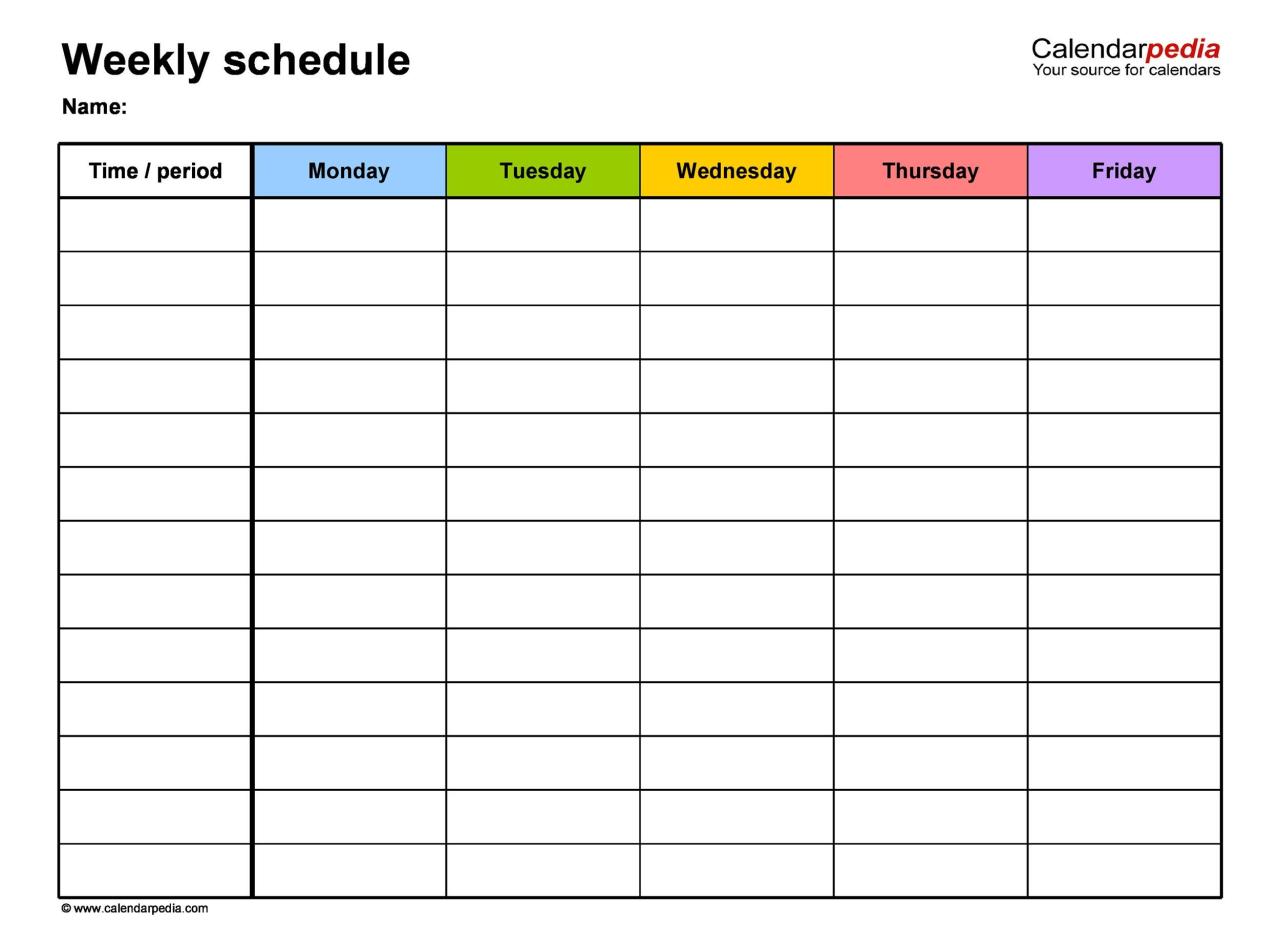
Optimizing study sessions extends beyond the duration of focused study time. Equally crucial is the strategic integration of breaks and mindfulness practices. These elements contribute significantly to sustained cognitive function, preventing burnout, and enhancing the overall learning experience. By incorporating intentional pauses and mindful activities, students can improve concentration, memory retention, and emotional well-being during their study periods.Effective study strategies acknowledge the importance of periodic rest and mental rejuvenation.
Mindfulness techniques, when incorporated into a study schedule, can further enhance focus and reduce stress. The following sections detail the importance of breaks, the benefits of mindfulness, and practical methods for integrating these elements into a personalized study plan.
Importance of Breaks in Study Schedules
Regular breaks are essential for maintaining optimal cognitive performance. Prolonged study sessions without rest can lead to decreased concentration, reduced memory retention, and increased feelings of fatigue. Taking short breaks allows the mind to process information, consolidate memories, and recharge, leading to more efficient learning. This approach contrasts with the potential negative consequences of continuous study without rest.
Benefits of Mindfulness Practices for Study Sessions
Mindfulness practices, encompassing techniques like deep breathing and meditation, can significantly improve focus and reduce stress during study sessions. These practices cultivate a heightened awareness of the present moment, minimizing distractions and enhancing concentration. This heightened awareness is crucial for optimal learning and memory retention. Mindfulness also fosters emotional regulation, enabling students to manage stress and maintain a positive learning environment.
Types of Breaks and Their Duration
Regular breaks, interspersed throughout study sessions, are crucial for optimal cognitive function. The following table Artikels different types of breaks and their recommended durations:
| Break Type | Duration (minutes) | Description |
|---|---|---|
| Short Break (Active) | 5-10 | Light physical activity, stretching, walking around |
| Medium Break (Active) | 15-20 | Engage in a different activity, like listening to music, or having a light snack |
| Long Break (Relaxing) | 30-60 | Engage in activities that completely disconnect from studying, such as a hobby, or social interaction. |
Mindful Activities to Integrate into Study Sessions
Incorporating mindful activities into study sessions can significantly enhance focus and reduce stress. Examples include:
- Deep Breathing Exercises: Taking slow, deep breaths can calm the mind and reduce anxiety, promoting focus.
- Mindful Movement: Simple stretches or short walks can improve blood flow and increase alertness.
- Progressive Muscle Relaxation: This technique involves tensing and relaxing different muscle groups, promoting relaxation and reducing physical tension.
- Mindful Listening: Listening to calming music or nature sounds can create a peaceful atmosphere and enhance focus.
Methods to Incorporate Mindfulness into a Study Schedule
Developing a study schedule that incorporates mindfulness can be achieved by:
- Scheduling Breaks: Pre-plan short breaks throughout the study session in a digital planner or physical schedule.
- Using Mindfulness Apps: Many apps provide guided meditation and mindfulness exercises, which can be easily integrated into the study schedule.
- Creating a Dedicated Mindfulness Corner: Designate a specific area or space for mindful activities during breaks.
- Pairing Mindfulness with Study Tasks: Combine mindfulness techniques, such as deep breathing, with specific study tasks, for example, before starting a particularly challenging topic.
Overcoming Challenges and Maintaining Motivation

Successfully navigating the complexities of a study schedule requires more than just planning. Sustaining focus and motivation throughout the learning process is crucial for achieving academic goals. This section explores common obstacles and provides practical strategies to overcome them, fostering a productive and engaging study environment.
Common Challenges in Maintaining a Study Schedule
Maintaining a consistent study schedule can be challenging for various reasons. Students often face competing demands, such as extracurricular activities, social commitments, and personal responsibilities. These competing obligations can make it difficult to dedicate sufficient time to focused study sessions. Furthermore, the inherent nature of learning can be demanding, sometimes requiring prolonged periods of concentration, which can lead to mental fatigue and decreased motivation.
Disruptions in routine, unexpected events, and changes in personal circumstances can also impact study habits and create challenges to maintaining a consistent schedule.
Strategies for Overcoming Procrastination and Distractions
Procrastination and distractions are common roadblocks in any study schedule. Effective time management strategies are crucial to combat these obstacles. Techniques like the Pomodoro Technique, which involves working in focused intervals followed by short breaks, can help maintain concentration. Breaking down large tasks into smaller, more manageable steps can also reduce feelings of overwhelm and make the study process less daunting.
Furthermore, creating a dedicated study space free from distractions, such as social media notifications or excessive noise, is essential. Employing digital tools to block distracting websites or apps during study periods can significantly improve focus.
Tips for Maintaining Motivation Throughout the Study Process
Maintaining motivation throughout the study process is vital for sustained academic success. Establishing clear goals and understanding their significance can significantly boost motivation. Regular self-reflection and acknowledging progress can provide a sense of accomplishment, fostering a positive feedback loop. Seeking support from peers or mentors can provide encouragement and a sense of community, making the study journey more enjoyable and less isolating.
Recognizing and rewarding achievements, no matter how small, can also maintain enthusiasm and a positive outlook.
Examples of Motivational Techniques
Several motivational techniques can be employed to maintain engagement and focus during study sessions. Visualization, where students imagine themselves successfully completing their tasks, can enhance confidence and motivation. Positive self-talk, reinforcing positive affirmations, can also boost morale and self-belief. Setting achievable milestones and celebrating achievements, no matter how small, can provide a sense of accomplishment and maintain momentum.
These techniques can be adjusted to individual preferences, ensuring a tailored approach to maintaining motivation.
Building a Study Environment Conducive to Focus and Productivity
Creating a conducive study environment is paramount to maximizing focus and productivity. A well-organized and clutter-free space can significantly improve concentration. Natural light, comfortable seating, and appropriate temperature are also essential elements. Minimizing distractions, such as noise or interruptions, is crucial to maintaining focus. Personalized touches, such as plants or inspiring artwork, can add a touch of personalization and enhance the overall learning environment.
Furthermore, ensuring adequate hydration and nutrition can also contribute to sustained energy levels and mental clarity.
Adapting Schedules for Different Learning Environments
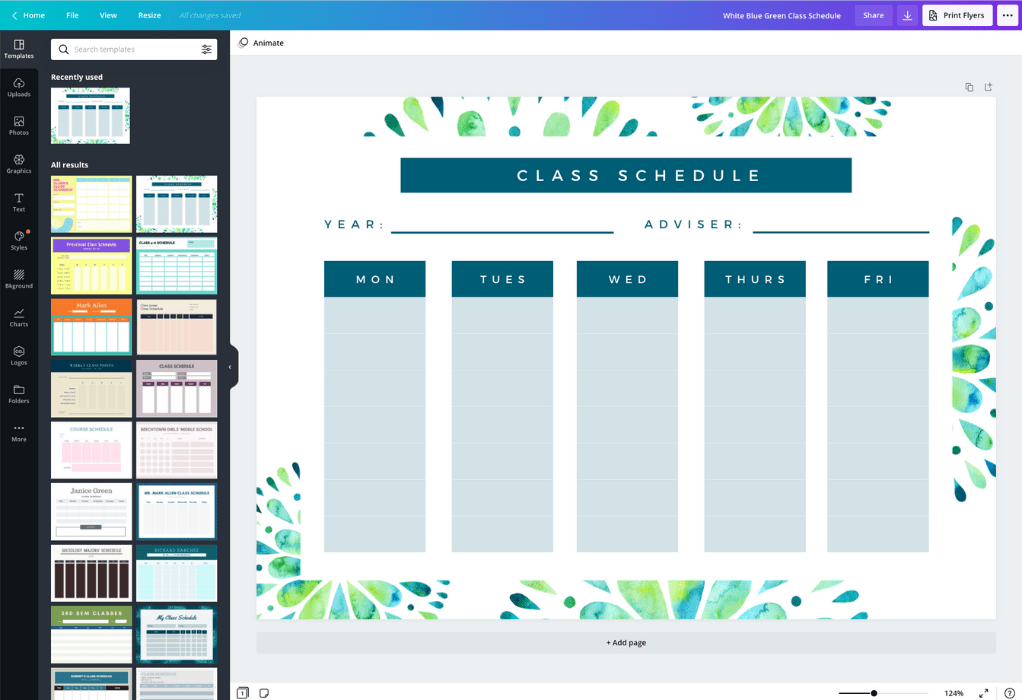
Optimizing your study schedule is crucial for effective learning, but the effectiveness of a schedule hinges on its adaptability to your environment. Different learning environments can significantly impact focus and productivity. Recognizing these differences and tailoring your schedule accordingly is key to maximizing your learning experience.Understanding the nuances of various learning environments and tailoring your study schedule to them is essential for effective learning.
By adapting your approach, you can optimize your focus and productivity, leading to a more successful learning journey.
Strategies for Effective Study Time in Different Locations
A well-structured study schedule should be flexible enough to accommodate various learning environments. Choosing the right location and adjusting your study approach are crucial to maximizing your productivity. This involves recognizing your personal preferences and the characteristics of different environments.
- Home Environment: Home environments often come with distractions like family members, pets, or household chores. To minimize these distractions, establish clear boundaries with household members and create a dedicated study space. Using noise-canceling headphones or white noise can also help. The familiar environment can be a strength if you can maintain focus.
- Library Environment: Libraries provide a quiet and structured atmosphere, perfect for focused study sessions. However, the presence of other students can sometimes be a distraction. Strategically choosing a quiet corner or a less populated area can help. Using the library’s resources effectively, such as research materials or study groups, can enhance your learning experience.
- Cafe Environment: Cafes offer a social atmosphere with a blend of noise and stimulation. If you find background noise stimulating, this environment might be suitable for brainstorming or collaborative study sessions. Choosing a less crowded cafe or a table further from the main area can minimize interruptions.
- Outdoor Environment: Outdoor environments like parks or gardens can offer a refreshing change of scenery. The natural sounds can sometimes enhance focus, especially for subjects that don’t require intense concentration. However, the presence of external factors like weather or pedestrians should be considered.
Examples of Study Environments and Their Suitability
Different learning styles and personalities respond to various study environments differently. The best study environment is one that minimizes distractions and allows for optimal concentration.
- Visual Learners: Visual learners often benefit from environments with clear visual cues, such as a whiteboard or a well-organized workspace. Libraries or designated home study areas with ample lighting and minimal clutter can be ideal.
- Auditory Learners: Auditory learners might find cafes with a moderate level of background noise or a library with soft background music conducive to learning. However, a quiet study environment can also be helpful if the noise is distracting.
- Kinesthetic Learners: Kinesthetic learners might find a study space with physical elements, such as a whiteboard or physical models, helpful. A study space that allows movement or interaction with materials can support their learning style. A home environment, perhaps a study room or a workspace in a designated area, can be an option for such learners.
Balancing Study Time with Other Commitments
Maintaining a study schedule while managing other commitments, such as work, family, or personal activities, requires careful planning and prioritization. Flexibility and adaptability are key to achieving a balance.
- Time Blocking: Allocate specific time slots for studying, work, and other activities. This creates a visual representation of your schedule and helps you prioritize tasks.
- Prioritization: Identify the most important tasks and dedicate specific blocks of time for their completion.
- Flexibility: Build some flexibility into your schedule to account for unexpected events or changes in priorities.
Suitable Study Environments for Different Learning Styles
This table provides a summary of suitable study environments for various learning styles, emphasizing the importance of adapting your environment to your specific needs.
| Learning Style | Suitable Environments | Explanation |
|---|---|---|
| Visual | Well-lit, organized spaces (e.g., home study room, library) | Visual learners thrive in environments with clear visual cues. |
| Auditory | Cafes with moderate background noise, libraries with soft music | Auditory learners often find moderate background noise helpful. |
| Kinesthetic | Spaces with physical elements, interactive learning materials (e.g., home workspace with models) | Kinesthetic learners benefit from hands-on activities and physical engagement. |
| Reading/Reflective | Quiet libraries, home study rooms with comfortable seating | These learners thrive in environments that promote quiet contemplation. |
Illustrative Examples of Study Schedules
Effective study schedules are dynamic tools, adapting to individual needs and learning styles. They are not static plans, but rather flexible frameworks that empower learners to achieve their academic goals efficiently. This section provides practical examples to illustrate how to create and utilize personalized study schedules.
Visual Representation of a Well-Structured Schedule
A well-structured study schedule visually Artikels the allocation of time for different activities. It should be clear, concise, and easily understandable. A table format is often useful, presenting a daily or weekly overview of study sessions, breaks, and other commitments.
Sample Schedule Tailored to Specific Subjects or Goals
This example schedule focuses on preparing for an upcoming exam in physics and math. It accounts for different learning styles, such as active recall and spaced repetition, and incorporates specific study techniques to maximize comprehension.
| Day | Time | Subject | Activity | Study Technique |
|---|---|---|---|---|
| Monday | 8:00-9:00 AM | Physics | Review Chapter 3 notes | Active recall (testing yourself) |
| Monday | 9:00-10:00 AM | Math | Practice problem set 1 | Problem-solving |
| Monday | 10:00-11:00 AM | Physics | Solve example problems | Guided practice |
| Tuesday | 8:00-9:00 AM | Math | Review chapter 2 concepts | Spaced repetition |
| Tuesday | 9:00-10:00 AM | Physics | Watch lecture recording | Re-learning |
Detailed Schedule Accounting for Different Learning Materials
This schedule illustrates how to incorporate diverse learning materials into a study plan. It highlights the importance of allocating specific time slots for different tasks, such as reading, note-taking, and practice exercises.
- Reading Complex Texts: Allocate dedicated time for in-depth reading of challenging material, such as research papers or textbooks. Active reading techniques, like summarizing and questioning, can enhance comprehension.
- Memorizing Facts: Dedicate focused time for memorization, using flashcards, mnemonics, or other memory aids. Repetition and spaced repetition are key.
- Practicing Skills: Include specific slots for practicing skills like problem-solving, coding, or musical instrument exercises. Regular practice builds proficiency and competence.
Sample Schedule Incorporating Different Study Techniques
This schedule incorporates various study techniques to enhance learning and retention. It highlights the importance of varying techniques to maintain focus and prevent burnout.
- Active Recall: Allocate time to actively recall information from previous sessions. This method strengthens memory and improves understanding.
- Spaced Repetition: Schedule reviews of previously learned material at increasing intervals. This technique strengthens long-term memory and prevents forgetting.
- Mind Mapping: Use mind maps to visually organize complex information and connect ideas. This method facilitates comprehension and improves knowledge retention.
Schedule with Realistic Time Allocations for Various Tasks
This schedule provides a practical example with realistic time allocations for different study tasks. This schedule also incorporates dedicated time for breaks and relaxation. Realistic time allocation prevents burnout and ensures efficient study sessions.
| Time | Activity | Estimated Time |
|---|---|---|
| 8:00-9:00 AM | Review Notes (Physics) | 60 minutes |
| 9:00-9:30 AM | Break | 30 minutes |
| 9:30-10:30 AM | Practice Problems (Math) | 60 minutes |
| 10:30-11:00 AM | Review Lecture (Chemistry) | 30 minutes |
Analyzing and Evaluating Study Schedules
A well-designed study schedule is only effective when regularly assessed and adjusted. Analyzing the schedule’s performance allows for identifying areas needing improvement and ensuring the schedule remains aligned with learning goals. This process involves evaluating the efficiency of allocated study time, the impact of breaks, and adapting the schedule based on feedback. A structured approach to analysis allows students to optimize their study habits and maximize their learning outcomes.Regular evaluation of a study schedule is crucial for its effectiveness.
Understanding what works and what doesn’t enables students to refine their approach to studying, ultimately leading to better academic performance. By identifying strengths and weaknesses, adjustments can be made to optimize the schedule and maintain momentum towards academic goals.
Methods for Analyzing Study Schedule Effectiveness
Regular review and analysis of the study schedule are vital for maintaining its effectiveness. This involves identifying areas where the schedule aligns with learning goals and pinpointing areas requiring improvement.
- Review Progress Against Goals: Track progress on assigned tasks and compare it to the planned schedule. This helps determine whether the allocated study time effectively supports the completion of assignments and the achievement of learning objectives. For example, if a student consistently completes assigned readings ahead of schedule, it might suggest that the allocated time for reading is excessive, allowing for other activities or more focused study.
- Monitor Focus and Concentration: Observe how focused and concentrated you are during study sessions. This can involve self-reflection or using a study timer. A drop in focus or concentration might indicate that a break is needed or that the subject matter is too demanding for the allocated time.
- Assess Time Management: Evaluate how well you stick to the schedule. Are you consistently completing tasks on time? Identify any time-wasting activities or inconsistencies that hinder schedule adherence. If you find yourself frequently running late or deviating from the schedule, consider modifying your time allocation for specific tasks.
- Evaluate Task Completion: Measure the completion rate of planned tasks. Are you consistently completing all tasks within the allotted time? Analyze any inconsistencies to understand why tasks may not be completed on time. This could involve issues with task complexity, lack of adequate resources, or even distractions.
Evaluating Study Time Allocation Efficiency
Accurate allocation of study time is essential for effective learning. A well-defined study schedule should be analyzed to assess its efficiency.
- Identify Time-Consuming Activities: Identify activities or tasks that consume more time than anticipated. This helps in adjusting the allocated time for specific tasks and potentially reallocating the time to other, more productive activities.
- Track Study Session Productivity: Track the productivity of study sessions. This could involve using a timer to track the time spent on a specific task or topic. Analysis of these data can reveal insights into the efficiency of allocated study time. For example, a consistently low level of productivity in a specific time slot may suggest the need for a change in the subject or task assigned to that time.
- Analyze Subject Difficulty: Assess the difficulty of each subject or topic. Are you spending more time on subjects that are inherently more challenging? This analysis can help in adjusting the time allocation for each subject accordingly, allowing for more focused study on challenging topics.
Strategies for Adjusting the Schedule Based on Feedback
Adjustments to the study schedule are essential for optimizing learning outcomes.
- Re-allocate Time: Re-allocate time based on the analysis of productivity and time management. Increase or decrease the time allocated to specific subjects or tasks to better reflect their actual requirements. For instance, if a subject is proving more challenging than expected, more time can be allocated.
- Introduce Flexibility: Incorporate flexibility into the schedule to accommodate unforeseen circumstances or variations in productivity. This may involve buffer periods or allowing for spontaneous adjustments.
- Refine Task Breakdown: Break down complex tasks into smaller, more manageable sub-tasks. This helps to allocate time more effectively and improves the likelihood of completion.
Evaluating the Impact of Breaks on Study Performance
Breaks are integral to maintaining focus and preventing burnout.
- Track Focus Levels: Observe the impact of breaks on focus levels during study sessions. Identify whether specific types of breaks (e.g., short breaks, longer breaks, active breaks) enhance or detract from focus. This information can be used to refine the break schedule.
- Monitor Energy Levels: Track energy levels throughout the day. Assess how breaks affect energy levels and how this influences study performance. Adjust the break schedule based on the observed impact on energy levels.
- Observe Mood Changes: Evaluate mood changes during study sessions. Identify if breaks contribute to a more positive and productive mood. If breaks are associated with negative mood changes, consider altering the type or length of breaks.
Metrics for Evaluating Study Schedule Effectiveness
A structured approach to analyzing study schedules improves their effectiveness.
| Metric | Description | Measurement |
|---|---|---|
| Task Completion Rate | Percentage of tasks completed on time | Calculate the ratio of completed tasks to total tasks planned for a specific period. |
| Study Session Productivity | Effectiveness of allocated study time | Measure time spent on task vs. time spent on task-related activities (e.g., interruptions). |
| Focus Duration | Sustained concentration during study sessions | Track the length of focused study periods. |
| Energy Levels | Impact of breaks on energy levels | Rate energy levels before, during, and after breaks using a scale (e.g., 1-5). |
| Mood Changes | Influence of breaks on mood | Assess mood before, during, and after breaks using a scale (e.g., 1-5). |
Conclusive Thoughts
In conclusion, leveraging AI for study scheduling empowers students to create efficient and personalized study plans. By understanding the various AI tools, tailoring your schedule to your needs, and incorporating mindfulness and breaks, you can significantly improve your learning outcomes. This guide provides a structured approach to achieving optimal study efficiency and maintaining motivation throughout your academic journey.