Harnessing the power of Artificial Intelligence (AI) to effectively organize study materials can significantly enhance learning outcomes. This guide provides a comprehensive exploration of how AI tools can streamline the process, from initial collection to final review. By leveraging AI’s capabilities, students can optimize their study strategies and maximize their potential.
This guide will delve into various AI-powered tools, strategies, and techniques to effectively organize study materials. We will explore different types of study materials, such as notes, textbooks, articles, and flashcards, and demonstrate how AI can be used to categorize, tag, and extract key information from them. Moreover, the guide will discuss how AI can assist in creating personalized study plans and schedules, incorporating different learning styles and multimedia elements.
Visualizing study materials with AI tools and maintaining and updating the organization will also be covered.
Introduction to AI-Powered Study Material Organization

AI-powered tools are increasingly valuable for students and researchers seeking efficient ways to manage and synthesize their study materials. These tools leverage sophisticated algorithms to analyze and categorize information, enabling users to find specific data quickly and effectively. This approach streamlines the learning process by helping users organize, prioritize, and retrieve information more efficiently.The application of AI in study material organization is rapidly evolving.
It extends beyond simple file sorting, allowing for advanced analysis and intelligent synthesis of information across diverse sources, ultimately enhancing the user’s comprehension and retention of complex concepts.
Types of Study Materials AI Can Organize
AI tools can assist with various types of study materials. This includes not only traditional resources but also emerging formats.
- Notes: AI can analyze handwritten or typed notes, extracting key concepts, summarizing main points, and linking related ideas. This feature facilitates the creation of concise study guides and aids in the identification of knowledge gaps.
- Textbooks: AI-powered tools can summarize complex textbook chapters, highlight key passages, and create personalized study plans based on user-specified learning objectives. This allows students to focus on crucial information, saving time and improving comprehension.
- Articles: AI can summarize research articles, identify key arguments, and extract supporting evidence. This process simplifies the review of extensive academic literature, allowing users to quickly grasp the essence of various articles.
- Flashcards: AI can create and customize flashcards, tailoring them to individual learning styles and preferences. AI can also provide spaced repetition algorithms, optimizing learning and recall.
- Multimedia Materials: AI can be applied to organize videos, audio recordings, and other multimedia resources, extracting key takeaways, creating summaries, and linking them to relevant concepts from other sources.
Benefits of AI-Powered Study Material Organization
AI-powered tools offer several key benefits in the study process.
- Improved Efficiency: AI tools can significantly reduce the time spent on organizing and searching for information. This allows students to dedicate more time to understanding and applying the material.
- Enhanced Comprehension: AI-powered summarization and analysis tools help students grasp the core concepts more effectively. This often leads to better comprehension and retention of information.
- Personalized Learning: AI can adapt to individual learning styles and preferences. This allows users to create personalized study plans that optimize their learning process.
- Reduced Information Overload: AI can filter out irrelevant information, helping students focus on the most important concepts. This minimizes the risk of feeling overwhelmed by vast amounts of data.
A Simple Flowchart of AI-Powered Study Organization
The following flowchart illustrates a basic process of using AI for study material organization.
| Step | Action |
|---|---|
| 1 | Upload study materials (notes, articles, etc.) to the AI tool. |
| 2 | Specify learning objectives and desired output (e.g., summary, flashcards). |
| 3 | AI analyzes the uploaded materials, identifies key concepts, and generates the desired output (e.g., summary, flashcards). |
| 4 | Review and refine the output to ensure accuracy and completeness. |
| 5 | Utilize the organized material for effective studying and learning. |
AI Tools for Organizing Study Materials
AI tools offer powerful capabilities for streamlining the organization of study materials, enabling efficient retrieval and review. These tools leverage machine learning algorithms to categorize, tag, and summarize information, significantly improving the study process. By automating tedious tasks, students can focus on understanding and applying concepts, rather than getting bogged down in manual organization.These tools can analyze various formats of study materials, from PDFs and documents to images and audio recordings.
This allows users to create a comprehensive digital library, searchable and easily accessible. The ability to synthesize and summarize complex information, using natural language processing, makes them highly valuable for learning.
Available AI Tools
Several AI tools provide robust capabilities for organizing study materials. Their features vary, offering diverse approaches to study material management.
- Notion AI: Notion AI excels at summarizing text and creating Artikels. Its integration with Notion’s database structure facilitates the creation of interconnected notes and study plans. Notion AI also allows for task management, reminders, and project organization. For example, a user can import a lengthy research paper and have Notion AI generate a summary, key takeaways, and a structured Artikel, allowing the user to create a study plan around the paper’s content.
- Google Workspace AI: Google Workspace, particularly Docs, Sheets, and Slides, now incorporates AI features. These tools offer features such as summarizing documents, generating Artikels, and suggesting edits. The integration within the existing Google Workspace ecosystem provides seamless access and a familiar interface for users already comfortable with Google tools. For instance, a student can upload a presentation, and Google Slides AI can help summarize the key points, suggest improvements, and create interactive elements.
- Otter.ai: Otter.ai is a transcription and summarization tool. It is particularly useful for audio-based study materials, like lectures or recorded interviews. Otter.ai can generate detailed transcripts and concise summaries of the audio content. This allows for easy review and highlighting of key concepts within the recordings. For instance, a student could use Otter.ai to record and transcribe a lecture, and then summarize the lecture’s content into a concise set of notes.
- Grammarly: While primarily known for its grammar and writing assistance, Grammarly’s AI features can aid in organizing study materials. Grammarly can identify key themes and concepts within documents, generating summaries and Artikels. It is particularly useful for analyzing and extracting information from complex texts. For instance, a student could use Grammarly to analyze a complex research article, and have the tool identify key arguments and supporting evidence.
This would help to streamline the organization of the information for study purposes.
Comparing and Contrasting Features
Different AI tools have varying strengths and weaknesses in terms of study material management. A comparison highlights their unique functionalities.
| Tool | Summary Generation | Outlining | Transcription | Other Features |
|---|---|---|---|---|
| Notion AI | Good | Excellent | Limited | Task Management, Project Organization |
| Google Workspace AI | Good | Good | Limited | Collaboration, Version Control |
| Otter.ai | Good | Limited | Excellent | Real-time Transcription, Editing |
| Grammarly | Good | Good | Limited | Grammar & Style Check, Content Analysis |
Importing Study Material Formats
The process of importing study materials into these AI tools varies depending on the specific tool and the format of the material.
- PDFs and Documents: Most AI tools allow direct import of PDF and document files. Users can upload the files, and the AI can analyze the content.
- Images: Some tools, like those focused on summarizing visual information, may allow for importing images. The AI might be able to extract text from images (optical character recognition), making the content searchable and manageable.
- Audio Recordings: Tools like Otter.ai are designed for audio. Users can upload audio files, and the tool will transcribe and summarize the content. These tools often offer options for editing and annotating the transcripts.
- Other Formats: AI tools may support other formats, but the specific functionality and compatibility will vary depending on the tool. It is recommended to consult the tool’s documentation for specific instructions on importing different file types.
Strategies for Optimizing Study Material Organization with AI
Leveraging AI tools for study material organization empowers efficient learning and personalized study plans. This involves more than just digital filing; it’s about strategically using AI to categorize, tag, and structure information in ways that maximize understanding and retention. AI can analyze vast amounts of data, identify patterns, and predict learning needs, leading to more effective study habits.Effective study material organization with AI goes beyond simply categorizing files.
It’s about creating a dynamic system that adapts to individual learning styles and progress. By integrating AI-powered tools, students can create customized study plans that cater to their unique needs and optimize their learning journey.
Categorization and Tagging Strategies
AI excels at analyzing text and identifying relevant s and concepts. This allows for sophisticated categorization and tagging systems, which are crucial for navigating vast amounts of study material. Utilizing AI-powered tools, users can input study notes, articles, and textbooks, and the AI can automatically tag them with relevant s and concepts. This ensures that all related material is grouped together, enabling efficient retrieval and review.
Furthermore, these systems can identify and highlight connections between different concepts, providing a holistic view of the subject matter. Examples include tagging historical events with relevant dates, people, and places or tagging scientific formulas with their associated equations and derivations.
Custom Study Plan Creation
AI can generate custom study plans based on the categorized and tagged study materials. The AI can analyze the user’s learning style, pace, and strengths and weaknesses to create a tailored plan. This plan might involve a specific sequence of topics, recommended readings, or suggested practice exercises. For instance, if a student struggles with a particular mathematical concept, the AI could recommend additional resources or practice problems focused on that area.
This personalized approach ensures the study plan aligns with the student’s specific needs.
Personalized Study Schedules
AI can create personalized study schedules that account for individual time constraints and learning preferences. AI tools can factor in existing commitments, such as work or other extracurricular activities, to generate realistic study schedules. These schedules might be adjusted based on the student’s performance and progress, enabling them to focus on areas where they need more attention or accelerate their learning in areas where they excel.
For example, if a student consistently completes assigned tasks ahead of schedule, the AI could adjust the schedule to introduce more challenging material or allow for more breaks. This proactive adjustment ensures the study schedule remains adaptable and effective.
Incorporating Multimedia Elements
AI tools can help integrate multimedia elements like videos, audio recordings, and images into the study material organization. The AI can automatically transcribe audio and video content, generating text-based summaries that can be easily categorized and tagged. This allows for a richer understanding of the material by combining visual, auditory, and textual information. By associating multimedia files with specific concepts, students can engage with the material on multiple levels, enhancing understanding and retention.
For example, a history lesson could include a video of a historical event accompanied by a transcript and categorized tags. Similarly, a science lesson might incorporate diagrams and audio explanations of complex concepts.
Organizing Different Types of Study Materials with AI
AI-powered tools offer a streamlined approach to organizing diverse study materials, enhancing efficiency and facilitating focused learning. This comprehensive method addresses various formats, from complex PDFs to concise audio notes, allowing users to synthesize information effectively.AI algorithms can analyze and categorize materials based on their content, enabling users to easily locate specific information. By understanding the nuances of different formats, AI tools can extract key concepts and summarize them, creating a personalized learning experience.
Organizing Different Document Formats
AI excels at organizing diverse document formats. Tools can automatically index PDFs, extracting key terms, metadata, and even summarizing entire documents. AI can also identify and categorize relevant images within documents, linking them to specific sections for better understanding. Furthermore, AI-driven systems can process and categorize various document types, including research papers, reports, and personal notes.
Extracting Key Information from Different Formats
AI’s ability to extract key information from various formats is crucial for effective study material organization. Natural Language Processing (NLP) techniques are fundamental to this process. NLP algorithms can analyze text within PDFs and documents, identifying key concepts, arguments, and supporting evidence. In the case of images, AI can recognize patterns and objects, associating them with relevant textual descriptions.
Audio files can be transcribed and analyzed to extract key points and themes. This allows for a more comprehensive understanding of the material.
AI-Powered Interactive Study Guides
AI plays a significant role in creating interactive study guides. By analyzing study materials, AI can identify crucial concepts and generate interactive elements, such as quizzes, flashcards, and summaries. These tools can tailor the learning experience to individual needs, providing personalized feedback and adaptive learning paths. The AI can create branching pathways in the study guide, directing the user to further resources based on their progress and areas of weakness.
This personalized approach enhances comprehension and retention.
Comparison of Organization Methods for Different Materials
| Material Type | AI Organization Method | Key Information Extraction | Interactive Study Guide Integration |
|---|---|---|---|
| PDF Documents | AI indexes metadata, s, and summarizes text. | Identifies key concepts, arguments, and supporting evidence. | Generates quizzes, flashcards, and interactive summaries based on content. |
| Images | AI categorizes images based on content and associates them with relevant text. | Recognizes patterns, objects, and their relation to the surrounding text. | Integrates images into interactive summaries and learning paths. |
| Audio Files | AI transcribes and analyzes audio content to identify key themes and points. | Extracts key phrases, speaker transitions, and central arguments. | Creates audio summaries, quizzes, and interactive exercises based on the audio content. |
Using AI for Creating and Managing Study Plans

AI tools offer powerful capabilities for crafting and managing effective study plans, tailoring them to individual learning styles and schedules. This personalized approach enhances study efficiency and ultimately contributes to improved academic performance. By leveraging AI’s analytical capabilities, students can optimize their learning journey, ensuring they are well-prepared for their studies.
Methods for Creating Effective Study Plans with AI
AI tools can generate study plans based on various inputs, including course material, learning objectives, and individual learning preferences. These plans are dynamically adaptable, adjusting to the student’s progress and needs over time. The tools can identify knowledge gaps and recommend targeted study resources to address them, thereby facilitating a more comprehensive learning experience.
Incorporating Different Learning Styles into Study Plans using AI
AI can analyze learning styles to recommend personalized study methods. Visual learners might benefit from interactive diagrams and charts, while auditory learners might find success with audio recordings and summaries. Kinesthetic learners can be supported by hands-on activities and practical exercises. AI algorithms can also identify and recommend study materials that align with each individual learning style. By combining the understanding of learning styles with study materials, AI tools can help create a more effective and personalized study plan.
Scheduling Study Sessions using AI-Powered Tools
AI-powered scheduling tools can optimize study sessions by considering factors such as the student’s schedule, time zone, and available study resources. These tools can automatically block out time for studying, minimizing distractions and maximizing focus. They can also proactively suggest alternative times or locations for study sessions if conflicts arise. This adaptability allows for more flexible and manageable study schedules.
Further, AI can anticipate potential roadblocks, such as upcoming exams or social commitments, and suggest adjustments to the study plan accordingly.
Creating a Personalized Study Plan using AI
| Step | Description | AI Tool Functionality |
|---|---|---|
| 1. Input Course Information | Provide details about the course, including syllabus, learning objectives, and required materials. | AI analyzes the course content and identifies key concepts. |
| 2. Define Learning Goals | Specify the desired learning outcomes and knowledge levels for each subject. | AI aligns goals with the course material and suggests study strategies. |
| 3. Identify Learning Style | Determine preferred learning methods (visual, auditory, kinesthetic). | AI tailors study resources and techniques to match identified learning style. |
| 4. Input Personal Schedule | Share personal commitments, availability, and time constraints. | AI generates a schedule optimized for study sessions, factoring in the individual’s calendar. |
| 5. Generate Study Plan | AI constructs a detailed study plan, including specific topics, study materials, and estimated time allocation for each session. | AI dynamically adjusts the plan based on progress and identified learning gaps. |
| 6. Review and Customize | Review the generated plan and adjust it to fit personal preferences and needs. | AI allows for modifications and adjustments to the study plan, ensuring it aligns with the student’s individual needs. |
Examples of AI-Assisted Study Material Organization
AI tools offer numerous possibilities for streamlining and enhancing the study process. By leveraging AI’s capabilities, students can effectively organize their study materials, leading to improved comprehension and retention. This section provides concrete examples of how AI can assist in organizing diverse study materials.
Organizing Text-Based Materials
AI tools excel at extracting key information from text documents, enabling students to create concise summaries and Artikels. This efficiency allows for focused study and better understanding of complex topics. For instance, a student studying for a history exam can input several chapters from a textbook into an AI-powered summarization tool. The AI would analyze the text, identify key concepts, and generate a concise summary, highlighting significant events and their importance.
Furthermore, the AI could create an Artikel of the material, categorizing topics and s for easy navigation.
Organizing Visual Materials
AI can also assist in organizing visual materials like diagrams, charts, and images. AI-powered tools can categorize and label these visual elements based on their content, enabling quick retrieval and reference. For example, a student studying biology could use an AI tool to analyze diagrams of plant cells. The AI could identify and label different cell structures, making it easier to study and understand their functions.
The AI could also generate flashcards or interactive quizzes based on the analyzed diagrams.
Creating Personalized Study Plans
AI can play a pivotal role in creating and managing personalized study plans. Students can input their learning objectives, exam schedules, and preferred learning styles into an AI tool. The AI can then generate a tailored study plan, recommending appropriate study materials, and suggesting an optimal schedule for review. For instance, a student preparing for a series of exams might use an AI tool to input their exam dates, the specific subjects, and the amount of time they have available each day.
The AI can then create a personalized study schedule, allocating specific study times for each subject, ensuring sufficient time is allocated for each topic, based on their difficulty and importance. This ensures effective time management and allows the student to focus on specific areas needing review.
Automatic Summarization of Study Materials
AI can automatically generate summaries of study materials, enabling students to quickly grasp the core concepts of extensive texts. This feature saves time and effort, allowing students to focus on understanding the material rather than re-reading it multiple times. For example, a student could input a lengthy research paper into an AI-powered summarization tool. The tool would then extract the main points and supporting arguments, generating a concise summary of the paper’s content.
The AI could also highlight key terms and concepts, making it easier for the student to understand the overall argument and identify areas needing further investigation.
Visualizing Study Material Organization with AI
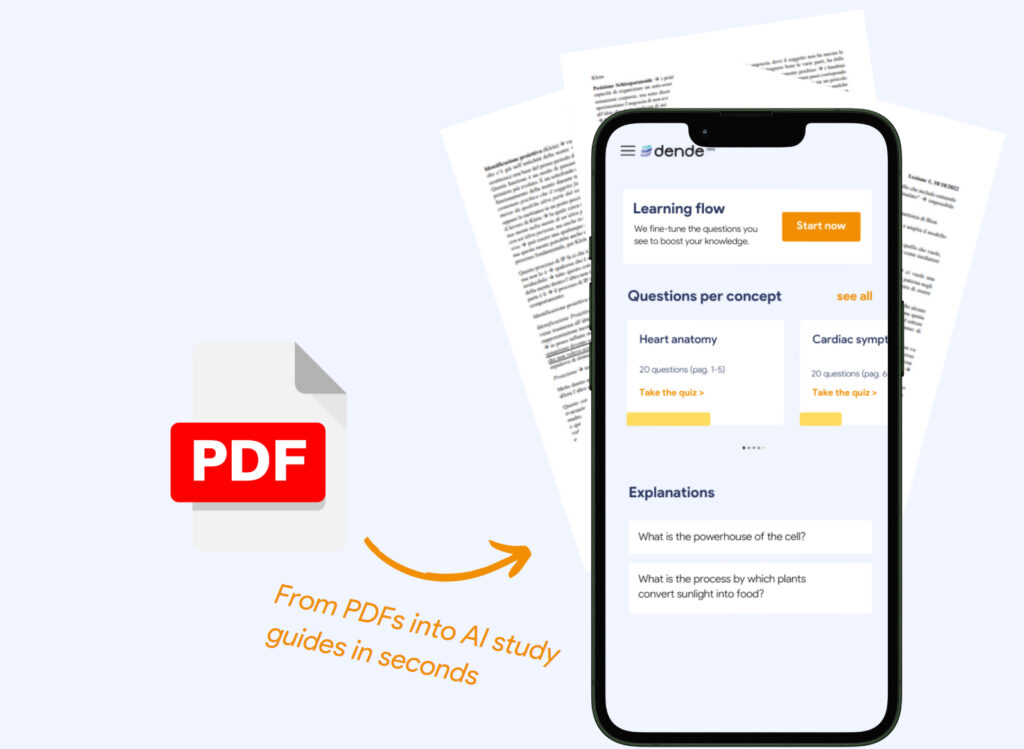
AI tools offer powerful ways to visualize study material organization, enhancing understanding and retention. These visualizations transform complex data into easily digestible formats, enabling students to grasp connections and patterns more effectively. This approach is particularly beneficial for managing diverse study materials and creating personalized learning journeys.AI-powered visualization tools can create dynamic representations of study material interrelationships. These representations are not static; they adapt and change as the student interacts with the material, facilitating a more interactive and personalized learning experience.
Chart-Based Visualizations
Visualizing study materials using charts provides a structured overview. Bar charts, for instance, can effectively display the quantity of material covered in different subjects or topics. Line graphs can illustrate progress over time, allowing students to track their learning journey. Pie charts can showcase the proportion of time spent on various subjects, helping students identify areas needing more focus.
These visualizations are useful for tracking and monitoring study progress and identifying potential knowledge gaps.
Graph-Based Visualizations
Graphs, particularly network graphs, excel at demonstrating the relationships between different study materials. Nodes in a network graph can represent specific concepts or topics, while edges connect related ideas. This visual representation highlights interdependencies and provides a broader context for learning. For example, a graph can show how different chapters in a textbook connect to each other or how various concepts in a course build upon each other.
This visual representation helps students grasp the overall structure and interconnectedness of the subject matter.
Mind Map Visualizations
Mind maps are powerful tools for visualizing hierarchical relationships among study materials. The central idea or topic is placed at the center, and associated s or concepts are branched out, creating a visual representation of the subject matter’s structure. These diagrams facilitate brainstorming and understanding the connections between different concepts. By visually representing the relationships between different ideas, mind maps enable students to quickly grasp the subject matter and its interconnectedness.
They can be particularly helpful for complex subjects or when studying for exams.
Customizing Visualizations
Customization of visualizations is critical for tailoring the learning experience to individual preferences. AI tools should allow users to adjust colors, themes, and layouts to create a visually appealing and engaging representation. Students can also select specific criteria for data representation, such as prioritizing topics based on difficulty or time constraints. This personalized approach ensures that the visualizations effectively support individual learning styles and needs.
For instance, a student might prefer a specific color scheme or a different layout to better understand the connections between various concepts. The tools should allow for these adjustments to create a personalized learning experience.
Visualization Techniques Summary
- Chart-based visualizations offer a structured overview, suitable for tracking progress and identifying knowledge gaps.
- Graph-based visualizations (especially network graphs) highlight interdependencies between study materials, providing a comprehensive view of connections and relationships.
- Mind maps excel at visualizing hierarchical relationships, fostering a deeper understanding of the subject matter’s structure.
- Customization allows students to tailor visualizations to their preferences, enhancing engagement and understanding.
Maintaining and Updating Study Material Organization
Staying organized with your study materials is crucial for effective learning. AI tools can streamline this process, allowing for easy updates, efficient tracking of progress, and quick recovery from unforeseen disruptions. This section details how to maintain and update your AI-powered study materials for optimal learning outcomes.Maintaining a dynamic study plan is essential to adapt to evolving learning needs.
AI tools can facilitate this by allowing for easy modification of existing study materials and the seamless integration of new information. This adaptability is key to maintaining a focused and effective learning journey.
Methods for Maintaining and Updating Organized Study Materials
AI tools provide numerous methods for maintaining and updating your study materials. These tools can automatically categorize new materials, linking them to relevant concepts and previous notes. This automated organization ensures that new knowledge is integrated smoothly into your existing framework.
- Adding New Study Materials: AI tools can be programmed to automatically categorize new study materials based on s, topics, and other relevant metadata. This automated process minimizes manual effort and ensures that new information is properly integrated into the existing structure.
- Modifying Existing Study Materials: AI tools can be configured to automatically update links and connections when existing study materials are modified. This ensures that the entire system remains coherent and up-to-date.
- Tracking Progress and Adapting Study Plans: AI tools can analyze your progress and suggest adjustments to your study plan. By tracking your study patterns, AI can pinpoint areas needing more focus or suggest adjustments based on your strengths and weaknesses.
Strategies for Modifying Existing Study Materials
Several strategies can be employed to modify existing study materials using AI. This involves more than just simple updates; it often includes re-categorization, re-linking, and restructuring to ensure optimal knowledge integration.
- Re-categorization: If a study material shifts categories or requires a new categorization, AI tools can re-categorize the material seamlessly, ensuring that the entire system remains coherent and well-organized.
- Re-linking: AI can automatically update links between different study materials when a concept or topic is revisited or expanded upon. This ensures that the connections between different concepts remain clear and accessible.
- Restructuring: AI can assist in restructuring the entire study material framework if a new approach to the subject matter is required. This flexibility allows for adapting to changing learning needs and approaches.
Tracking Progress and Adapting Study Plans Using AI Tools
AI tools can provide insightful data on your study progress, allowing for informed adjustments to your study plan. This data-driven approach can lead to optimized learning outcomes.
- Analyzing Study Patterns: AI can analyze your study patterns, identifying areas where you are spending more or less time, and suggesting adjustments based on your strengths and weaknesses.
- Suggesting Adjustments: Based on your progress, AI can suggest adjustments to your study plan, potentially adding extra focus on areas requiring more attention or adjusting the pace of your learning to align with your individual needs.
- Predictive Study Planning: AI can anticipate potential challenges and offer proactive solutions, such as recommending additional resources or suggesting alternative learning strategies. This predictive capability allows you to proactively address potential roadblocks.
Methods for Data Recovery and Mitigation of Disruptions
AI-powered study material organization can help mitigate data loss or disruptions. Robust systems ensure that important information is not lost due to unexpected events.
- Backup and Redundancy: AI tools can automate backup and redundancy procedures, ensuring that your study materials are safely stored in multiple locations and readily accessible.
- Data Loss Prevention: AI can monitor for potential data loss threats, alerting you to issues before they escalate.
- Automated Recovery: AI can automate the recovery process if data loss occurs, allowing you to quickly resume your study with minimal disruption.
Conclusion
In conclusion, this comprehensive guide has explored the transformative potential of AI in organizing study materials. By understanding how AI tools can streamline various aspects of the study process, from material organization to personalized study plans, students can significantly improve their learning outcomes. This guide equips students with the knowledge and tools to leverage AI for a more effective and efficient learning experience.
Ultimately, embracing AI for study material organization empowers students to achieve their academic goals more effectively.