Effective group study is crucial for academic success and skill development. This guide explores the multifaceted process of organizing group study sessions, leveraging AI tools to enhance collaboration and efficiency. We will delve into defining clear objectives, planning structured schedules, selecting appropriate technology, fostering effective communication, and optimizing resources.
From defining shared goals to mitigating potential challenges, this guide equips you with practical strategies for maximizing the potential of group study. We will analyze various methodologies, including time management strategies and conflict resolution techniques, to ensure a productive and enjoyable learning experience for all participants.
Defining Group Study Goals
Effective group study sessions require a shared understanding of objectives and expectations. Clear goals provide direction, motivate participation, and ensure focused effort. Without well-defined targets, the study group risks becoming unproductive or inefficient, losing the potential synergy of collective learning.Defining specific objectives for the study group is paramount. This establishes a common ground for members, fosters accountability, and helps track progress.
By clearly outlining what the group aims to achieve, every member can contribute effectively and efficiently, aligning their individual efforts towards a shared purpose.
Group Study Objectives
Defining the specific goals of the study group is critical for its effectiveness. These objectives can range from academic performance improvement to skill development and project completion.
- Academic Performance Enhancement: This objective focuses on improving individual grades, understanding complex concepts, and mastering specific subject matter. Examples include achieving a higher exam score, mastering a specific formula in a math course, or successfully completing a series of challenging assignments.
- Skill Development: This objective emphasizes the enhancement of particular skills like critical thinking, problem-solving, or communication. For instance, developing a robust approach to analyzing complex texts or improving presentation skills would fall under this category.
- Project Completion: This objective is geared towards collaborative project work. Examples include creating a project proposal, completing research, or presenting findings. Defining specific deliverables and timelines is essential for success.
- Conceptual Understanding: This objective focuses on gaining a deep understanding of the fundamental principles and concepts of a particular subject matter. Examples include gaining a thorough understanding of a scientific theory or the nuances of a historical event.
- Exam Preparation: This objective is directed toward achieving success in specific examinations. Examples include reviewing key concepts, practicing problem-solving, and strategizing for different question types.
Types of Group Study Sessions
The structure of a group study session is dictated by its specific objectives. Different types of sessions suit different goals.
- Review Sessions: These sessions focus on reviewing previously learned material, clarifying doubts, and reinforcing understanding. They often involve summarizing key concepts, discussing challenging topics, and answering questions. This type of session is excellent for consolidating knowledge and preparing for exams.
- Brainstorming Sessions: These sessions encourage creative thinking and the generation of diverse ideas. They are effective for developing innovative solutions, exploring new perspectives, and tackling complex problems. Examples include brainstorming project ideas or devising strategies for addressing specific challenges.
- Project-Based Studies: These sessions are structured around the completion of a project. They typically involve assigning roles, setting deadlines, and managing tasks collaboratively. This approach enhances teamwork, communication, and time management skills.
Establishing Shared Expectations and Responsibilities
A clear understanding of expectations and responsibilities is essential for effective group study sessions. This promotes accountability and ensures that all members contribute meaningfully.
- Establishing Ground Rules: The group should agree on clear ground rules regarding communication, punctuality, contribution expectations, and behavior during sessions. These rules should be established upfront and reviewed periodically. Examples of rules could be the frequency of meetings, the acceptable levels of participation, and the use of technology.
- Defining Roles and Responsibilities: Each member should understand their individual contribution and responsibilities within the group. This could include assigning specific tasks, such as researching specific topics or leading discussions. Clearly outlining each member’s role ensures that no one is overwhelmed or underutilized.
- Setting Deadlines and Timelines: Establishing deadlines and timelines for completing specific tasks helps keep the group on track. This allows members to allocate time effectively and manage expectations realistically. A well-defined timeline prevents delays and ensures timely completion of tasks.
Planning and Structuring the Study Sessions

Effective group study sessions require careful planning and structuring to maximize efficiency and ensure everyone benefits from the experience. A well-organized schedule fosters a collaborative environment where students can leverage each other’s strengths and address areas of weakness together. This section details the crucial steps involved in creating a successful framework for group study.
Designing Group Study Schedules
A well-structured schedule is essential for maximizing productivity during group study sessions. The schedule should account for various tasks, from reviewing materials to discussing challenging concepts. Allocate specific time slots for each task, ensuring a balanced approach that covers all necessary components of the study process. Clear time allocation allows for focused work on each element of the study, reducing wasted time and enhancing overall understanding.
Group Study Plan Template
A structured template serves as a roadmap for group study, ensuring everyone stays on track and remains accountable for their contributions. This template should include detailed information about the topics to be covered, the materials required, and the timeline for completion of each task. This organized structure provides a shared understanding of expectations, enabling group members to work together efficiently and effectively.
The template can be adjusted and modified as needed, allowing the group to adapt to their unique needs and learning styles.
- Topics: Clearly define the specific topics that will be covered in each study session. For example, “Chapter 3: Economic Models” or “Unit 4: Historical Context of the French Revolution”.
- Materials: List all the required materials, including textbooks, articles, online resources, and any supplementary materials. This list ensures that everyone has access to the necessary resources.
- Timeline: Establish a detailed timeline outlining the specific time allocated for each topic or task. This includes breaks, dedicated discussion periods, and time for individual review. This approach helps the group maintain focus and adhere to deadlines.
Scheduling Strategies
Different scheduling strategies can be employed, each with its own advantages and disadvantages. Understanding these strategies allows the group to select the approach that best suits their needs and learning styles.
- Weekly Meetings: Weekly meetings provide a structured approach to study, allowing for in-depth discussions and collaborative problem-solving. However, maintaining consistent attendance and participation can be challenging. This approach works well for comprehensive study plans that cover substantial material.
- Daily Check-ins: Daily check-ins provide a more flexible approach, fostering regular communication and enabling prompt clarification of doubts. This approach is well-suited for smaller study groups or when dealing with more straightforward material. However, the frequency of check-ins may be excessive if the material is not complex.
Ensuring Consistent Attendance and Participation
To ensure consistent attendance and participation, clear communication and accountability mechanisms are crucial. Establish a system that encourages everyone to actively contribute to the study sessions.
- Clear Communication Channels: Establish clear communication channels for sharing updates, reminders, and meeting details.
- Designated Roles: Assigning roles, such as note-taker, summarizer, or material provider, can encourage participation and foster a sense of shared responsibility.
- Regular Check-ins: Implementing regular check-ins with individual group members can help track progress and address any potential issues.
Time Management Strategies
A well-defined strategy for time management is crucial for the success of group study sessions. Various approaches exist, each with its own advantages and disadvantages.
| Strategy | Description | Benefits | Drawbacks |
|---|---|---|---|
| Time Blocking | Allocating specific time slots for different tasks. | Improved focus and efficiency, reduces procrastination. | Requires strict adherence to schedule, may not be suitable for dynamic tasks. |
| Pomodoro Technique | Working in focused bursts with short breaks. | Enhances concentration and reduces mental fatigue. | May not be ideal for complex or lengthy tasks. |
| Eisenhower Matrix | Prioritizing tasks based on urgency and importance. | Effective task management, reduces time spent on less crucial activities. | Requires strong prioritization skills. |
Choosing and Utilizing Technology for Collaboration
Effective group study hinges on seamless communication and resource sharing. Utilizing appropriate digital tools empowers students to collaborate efficiently, overcome geographical limitations, and enhance their learning experience. This section details various technological tools, their advantages and disadvantages, and best practices for their effective implementation.
Digital Tools for Group Study
Choosing the right digital tools is crucial for a productive group study session. Various platforms offer diverse functionalities, enabling students to share documents, schedule meetings, and engage in collaborative note-taking. Selecting the appropriate tools depends on the specific needs and preferences of the group.
- Shared Documents (Google Docs, Microsoft Word Online): These platforms allow real-time editing and collaboration, enabling simultaneous work on documents, presentations, and other materials. Multiple individuals can contribute, track changes, and provide feedback simultaneously, facilitating rapid progress on assignments.
- Video Conferencing (Zoom, Google Meet, Microsoft Teams): Video conferencing tools facilitate face-to-face interactions, enabling discussions, brainstorming sessions, and real-time clarification of complex concepts. They are invaluable for groups with members located in different geographical areas.
- Collaborative Note-Taking Apps (Miro, Padlet, Google Jamboard): These platforms provide virtual whiteboards and shared spaces for brainstorming, note-taking, and idea generation. They facilitate visual organization, enabling students to visualize concepts and connections effectively.
- Project Management Tools (Trello, Asana): These tools allow for task assignment, progress tracking, and communication, optimizing workflow and ensuring everyone is on the same page. They are especially helpful for larger projects or those involving several different steps and tasks.
- Messaging Platforms (Slack, Discord): Dedicated messaging platforms provide a channel for quick communication, enabling group members to discuss questions, share updates, and coordinate schedules. They are excellent for keeping everyone informed and connected.
Advantages and Disadvantages of Various Tools
Different digital tools offer varying advantages and disadvantages. Careful consideration of these factors ensures optimal utilization.
- Shared Documents (Google Docs, Microsoft Word Online): Advantages include real-time collaboration, version control, and easy accessibility. Disadvantages may include potential for distractions or conflicting edits, requiring a consistent internet connection.
- Video Conferencing (Zoom, Google Meet, Microsoft Teams): Advantages include face-to-face interaction, fostering better understanding and facilitating immediate feedback. Disadvantages include potential for technical glitches, requiring reliable internet connections and maintaining focus during meetings.
- Collaborative Note-Taking Apps (Miro, Padlet, Google Jamboard): Advantages include visual organization, idea generation, and brainstorming. Disadvantages might include the need for learning the platform’s specific features, potential for over-complication of notes.
- Project Management Tools (Trello, Asana): Advantages include task assignment, progress tracking, and clear communication, enabling effective management of complex tasks. Disadvantages include the need to learn the platform, and potential for miscommunication if not used consistently.
- Messaging Platforms (Slack, Discord): Advantages include quick communication, efficient coordination, and informal discussions. Disadvantages include potential for off-topic discussions, and the need to be mindful of appropriate communication etiquette.
Utilizing Online Platforms for Effective Communication
Effective communication in online group study settings relies on clear communication protocols. This ensures everyone stays informed, contributes meaningfully, and understands expectations.
- Establish clear communication channels for different purposes (e.g., a dedicated channel for scheduling, another for discussions).
- Establish a shared calendar for scheduling meetings and deadlines.
- Encourage active participation from all members.
- Promote constructive feedback and respectful discussion.
Conflict Resolution in Online Group Study
Addressing conflicts constructively is essential for maintaining a positive and productive online study environment. Open communication and a commitment to finding solutions are paramount.
- Encourage open communication channels for addressing disagreements.
- Actively listen to differing perspectives.
- Emphasize mutual understanding and compromise.
- Mediate disagreements if necessary, with a neutral third party if possible.
Comparison of Online Tools for Group Study
The following table contrasts various online tools for group study, highlighting their features, advantages, and disadvantages.
Facilitating Effective Communication and Collaboration
Effective communication and collaboration are crucial for successful group study sessions. Open communication channels, clear roles, and a supportive environment foster a productive learning experience for all members. By establishing clear protocols and strategies for conflict resolution, groups can overcome challenges and achieve their study goals efficiently.Open communication and active listening are fundamental to effective group study. These skills allow for the free exchange of ideas, clarification of concepts, and a deeper understanding of the material.
Encouraging active listening ensures each member feels heard and valued, which is essential for building trust and rapport within the group.
Promoting Open Communication and Active Listening
A positive communication environment is essential for group study success. Encouraging members to share their thoughts and perspectives, while actively listening to others, fosters a collaborative atmosphere. Strategies to promote open communication include establishing clear ground rules, respecting diverse opinions, and actively seeking clarification when needed. Encouraging members to paraphrase each other’s statements can also enhance understanding and prevent misinterpretations.
Defining Roles for Group Study
Assigning roles to members can streamline tasks and enhance overall productivity. Different roles can cater to individual strengths and ensure that all necessary aspects of the study are addressed. Examples of effective roles include:
- Facilitator: This individual guides the study session, manages time effectively, and ensures all members participate. They can help keep discussions on track and facilitate smooth transitions between topics.
- Note-taker: This role involves recording key concepts, ideas, and important details during the session. Well-organized notes can serve as a valuable resource for review and future reference.
- Summarizer: This role condenses the main points discussed in each session, providing a concise overview for review and understanding. Summarization ensures a clear understanding of the covered material.
- Resource Finder: This individual is responsible for locating and sharing relevant materials, like articles, videos, or online resources that enhance the study.
Creating a Supportive and Inclusive Environment
A supportive and inclusive environment encourages participation and respect among group members. Creating a welcoming space allows everyone to feel comfortable sharing their ideas and perspectives without fear of judgment. This includes actively encouraging all members to contribute and making sure that everyone’s voices are heard.
Resolving Conflicts and Disagreements Constructively
Disagreements are inevitable in any group setting. Developing strategies to address and resolve conflicts constructively is crucial for maintaining positive relationships and achieving study goals. Addressing disagreements respectfully, listening to opposing viewpoints, and focusing on finding common ground can help facilitate productive solutions. Seeking neutral perspectives can also provide valuable insights.
Communication Protocol Example
A structured communication protocol can significantly improve the efficiency and effectiveness of group study sessions. A clear framework helps guide discussions and ensure that all members are aware of expectations and responsibilities. This structured approach reduces misunderstandings and fosters a more organized learning environment.
| Time | Activity | Responsibility |
|---|---|---|
| 0:00-0:15 | Introduction and agenda review | Facilitator |
| 0:15-0:45 | Discussion of assigned material | All members |
| 0:45-1:00 | Summarization of key points | Summarizer |
| 1:00-1:15 | Clarification of doubts and questions | All members |
| 1:15-1:30 | Wrap-up and next steps | Facilitator |
A well-defined protocol provides structure and ensures that all members are contributing effectively to the learning process.
Optimizing Study Materials and Resources
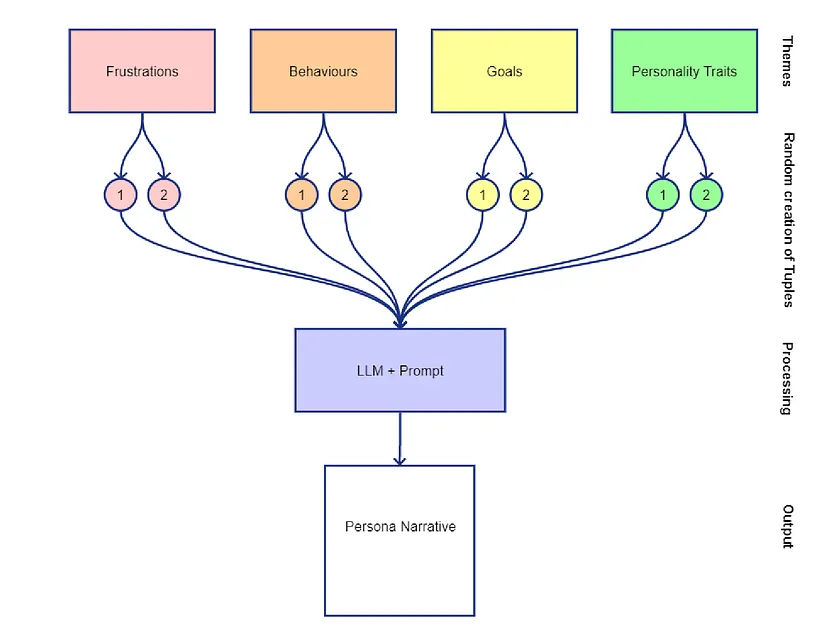
Effective group study hinges on the efficient organization and utilization of study materials. A well-structured approach ensures that everyone has access to the necessary resources, facilitating productive collaboration and reducing wasted time. This section explores various methods to optimize study materials and resources for group study, from material distribution to the creation of shared learning tools.
Organizing Study Materials
A well-organized system for study materials is crucial for productive group study. A common folder structure or digital platform for storing documents, notes, and supplementary resources streamlines access for all members. This includes categorizing materials logically, such as by topic, chapter, or concept. Creating a shared online repository ensures that all members can access and update materials.
Distributing and Accessing Study Materials
Efficient distribution and access to study materials are essential for smooth group study sessions. Utilizing cloud storage platforms, shared drives, or dedicated learning management systems (LMS) enables easy sharing and simultaneous access. Establish clear guidelines for file naming conventions and folder structures to maintain organization and prevent confusion.
Creating Shared Study Guides and Summaries
Collaborative creation of study guides and summaries fosters deeper understanding and facilitates knowledge retention. Utilize online document editors that allow real-time collaboration, such as Google Docs or Microsoft Word Online. Assigning specific sections to group members encourages active participation and promotes a shared understanding of the material. Templates for study guides and summaries can be helpful in ensuring consistency and completeness.
Utilizing Digital Libraries and Online Resources
Leveraging digital libraries and online resources is a powerful tool for group study. Research databases, academic journals, and online encyclopedias can provide valuable insights and supplementary materials. Establishing a shared list of recommended resources, organized by topic or concept, allows for efficient exploration and avoids duplication of effort.
Table: Methods for Organizing Study Materials
| Method | Description | Advantages | Disadvantages |
|---|---|---|---|
| Shared Online Folder (e.g., Google Drive, Dropbox) | Centralized repository for all study materials. | Easy access, simultaneous editing, version control. | Requires internet access, potential for file overload if not organized. |
| Shared Document Editors (e.g., Google Docs, Microsoft Word Online) | Allows real-time collaboration on study guides, summaries, and notes. | Instantaneous updates, easy tracking of contributions. | Requires internet access, potential for conflicting edits. |
| Dedicated Learning Management System (LMS) | Platform for organizing course materials, assignments, and communication. | Centralized resource hub, often integrated with grading systems. | Requires access to the LMS, might not be suitable for all subjects or study groups. |
| Printed Study Guides with Digital Supplements | Physical guides with links to online resources. | Offline access to key information, easy referencing. | Requires coordination to ensure everyone has access to the supplements. |
Enhancing Engagement and Motivation

Maintaining high levels of engagement and motivation within a group study environment is crucial for achieving collective learning objectives. A motivated and engaged group fosters a dynamic learning atmosphere where members feel comfortable contributing, sharing ideas, and overcoming challenges together. This section explores strategies for nurturing this collaborative spirit.
Strategies for Maintaining Engagement
Sustained engagement hinges on creating a supportive and stimulating learning environment. Group members need to feel valued and their contributions recognized. Establishing clear expectations and fostering a sense of shared responsibility are essential components of this process.
- Establish Clear Roles and Responsibilities: Defining specific roles for each member, such as note-taker, summarizer, or research coordinator, can foster a sense of ownership and responsibility. This distribution of tasks ensures that every member feels indispensable to the group’s success and actively participates in the learning process.
- Promote Open Communication and Active Listening: Encourage active listening and open dialogue among group members. This fosters a sense of mutual respect and allows for diverse perspectives to be shared and considered. Constructive criticism and positive feedback are vital elements in this process.
- Encourage Diverse Perspectives: A variety of backgrounds and viewpoints enrich the learning experience. Encouraging members to share their unique insights and experiences can lead to a more comprehensive understanding of the subject matter. Encourage open-mindedness and respect for differing opinions.
Encouraging Active Participation
Active participation from every member is key to a successful group study session. Creating an environment where individuals feel comfortable voicing their thoughts and opinions is vital.
- Establish a Culture of Respect and Trust: A respectful environment is paramount. Group members must feel safe to express their ideas without fear of judgment or ridicule. Trust is built through consistent positive interactions and active listening.
- Employ Interactive Learning Techniques: Employing interactive learning methods, such as discussions, debates, or problem-solving exercises, encourages active participation. Interactive activities keep the learning dynamic and prevent passive engagement.
- Use Questioning Strategies: Encourage members to ask clarifying questions and challenge assumptions. This promotes critical thinking and deeper understanding of the material.
Fostering a Sense of Community and Shared Responsibility
A strong sense of community within the study group fosters a collaborative spirit and encourages shared responsibility for achieving common goals.
- Promote Regular Check-ins and Feedback: Regular check-ins, whether through brief meetings or online forums, allow for members to share progress, address concerns, and provide constructive feedback. This fosters a sense of community and shared responsibility.
- Establish a System for Tracking Progress and Accountability: A transparent system for tracking individual and group progress creates accountability and motivates members to contribute their fair share. This could be a shared online document, a dedicated discussion forum, or a simple spreadsheet.
- Recognize and Appreciate Contributions: Acknowledging and appreciating the efforts of each member, regardless of their role, reinforces the importance of teamwork and creates a positive learning environment. A simple thank-you or verbal recognition can go a long way.
Strategies for Recognizing and Rewarding Achievements
Recognizing and rewarding achievements reinforces positive behavior and motivates continued effort. This can be formal or informal, depending on the group dynamics.
- Celebrate Milestones and Successes: Acknowledge significant milestones, such as completing a chapter or mastering a challenging concept. This can be a quick celebration within the study group, or a more formal recognition. Simple gestures of appreciation can be effective.
- Implement a Recognition System: A simple recognition system, such as a points system for contributions, can incentivize participation and encourage members to achieve their goals. This system can be as simple as assigning points for specific contributions or as elaborate as a tiered reward system.
Motivational Techniques for Group Study
Implementing motivational techniques can significantly improve engagement and performance within a group study setting.
- Encourage Competition in a Positive Way: Healthy competition can be a powerful motivator. Challenge groups to complete tasks or achieve goals within a set time frame, but emphasize collaboration over individual achievement. Competition should never come at the expense of respect or trust.
- Provide Opportunities for Recognition and Praise: Public recognition for contributions and achievements boosts morale and encourages continued participation. Praise and recognition can be verbal, written, or even a small token of appreciation.
Addressing Challenges and Pitfalls
Group study sessions, while beneficial, can encounter various hurdles. Understanding these potential challenges and developing strategies to overcome them is crucial for maximizing the effectiveness and enjoyment of collaborative learning. Effective group study requires proactive identification and resolution of potential problems to ensure a positive and productive experience for all participants.Effective group study necessitates proactive problem-solving and a collaborative approach to navigating potential pitfalls.
By anticipating and addressing challenges early on, groups can maintain a positive and productive learning environment. This proactive approach fosters a sense of shared responsibility and mutual support, ultimately enhancing the overall learning experience.
Common Challenges in Group Study
Group study sessions, while offering significant advantages, are not without inherent challenges. Conflicts in schedules, communication breakdowns, and uneven participation levels are common obstacles that can hinder progress. Recognizing these challenges is the first step toward mitigating their impact.
- Conflicting Schedules: Varying availability among group members can lead to missed sessions or uneven participation, impacting the group’s overall progress. This is often a result of competing commitments and responsibilities outside of study.
- Communication Breakdowns: Ineffective communication can lead to misunderstandings, missed deadlines, and a lack of clarity regarding assignments and responsibilities. This can stem from a lack of clear communication channels, inadequate information sharing, or differences in communication styles.
- Lack of Participation: Some members may be hesitant to actively participate in group discussions or contribute their ideas, potentially leading to uneven workloads and reduced learning opportunities for everyone. This can be due to a range of factors, from shyness to differing levels of comfort expressing opinions in a group setting.
- Disagreements and Conflicts: Disagreements are inevitable in any group setting, especially when individuals have diverse perspectives and approaches to problem-solving. Addressing these conflicts constructively is critical to maintaining a positive and productive environment.
Mitigating Challenges
Proactive strategies can significantly reduce the impact of these common challenges. Implementing these strategies helps maintain group cohesion and fosters a supportive environment.
- Flexible Scheduling: Scheduling sessions at times convenient to most members is vital. Using online scheduling tools and actively discussing options to accommodate different time zones and commitments can help ensure that everyone can attend.
- Establish Clear Communication Channels: Define specific communication channels (e.g., a dedicated group chat, email thread, or video conferencing platform) and guidelines for communication frequency and response times. This ensures everyone stays informed and avoids misunderstandings.
- Promote Active Participation: Establish clear roles and responsibilities to encourage participation. Encourage active listening and respectful feedback during discussions. Creating a safe space for everyone to share their thoughts and ideas is crucial. Consider using interactive online tools to facilitate engagement.
- Constructive Conflict Resolution: Encourage members to express disagreements constructively and to actively listen to differing viewpoints. Establish clear ground rules for addressing conflicts. Mediation or facilitation by a trusted member or external resource may be necessary in some cases.
Importance of Clear Expectations and Ground Rules
Clear expectations and ground rules are essential for establishing a productive and respectful environment. These provide a framework for interactions and guide members in their roles.
- Defining Roles and Responsibilities: Assigning specific roles and responsibilities to each member helps avoid ambiguity and ensures that tasks are divided equitably. This clarifies who is responsible for what and promotes a sense of shared ownership within the group.
- Setting Ground Rules: Establish clear ground rules for communication, participation, and conflict resolution. This includes guidelines for respecting diverse opinions, time management, and meeting deadlines.
- Expectations for Participation: Define expected levels of participation from each member, emphasizing the value of everyone’s contributions. This fosters a sense of accountability and encourages active engagement in discussions.
Maintaining Group Cohesion and Preventing Interpersonal Conflicts
Fostering a positive and supportive group dynamic is vital for success. Promoting open communication and a shared understanding of group goals are crucial.
- Regular Check-ins: Schedule regular check-ins to discuss progress, address concerns, and maintain a positive relationship among members. This provides an opportunity for feedback and ensures that everyone feels heard and valued.
- Encouraging Open Communication: Creating an environment where members feel comfortable sharing their thoughts and feelings openly can help prevent misunderstandings and address potential conflicts early on. This fosters trust and mutual understanding.
- Promoting Empathy and Understanding: Encouraging members to understand each other’s perspectives and needs can foster a sense of shared purpose and empathy within the group. Recognizing and appreciating individual differences is key.
Illustrative Examples of Successful Group Study Sessions

Successful group study sessions are more than just a collection of individuals studying together. They are collaborative environments that leverage diverse perspectives and strengths to enhance understanding and knowledge retention. By implementing effective strategies, groups can achieve significant outcomes, leading to improved academic performance and a deeper appreciation for the subject matter.Effective group study sessions foster a supportive atmosphere where members feel empowered to contribute, learn from one another, and achieve shared goals.
These sessions are not simply about completing assignments; they are about cultivating critical thinking, problem-solving skills, and a collaborative spirit.
Successful Group Study Session Case Studies
Group study sessions can take various forms, adapting to different learning styles and subject matter. These case studies illustrate successful implementations of various approaches.
- A group of engineering students tackling a complex design project found that assigning specific roles (e.g., lead designer, researcher, presenter) to each member fostered specialization and efficiency. This division of labor ensured that each member contributed their unique skillset, ultimately leading to a high-quality design solution that exceeded initial expectations. The clear roles also minimized ambiguity and fostered a sense of shared responsibility.
- In a history class, a group used a shared online document to take notes during lectures and create timelines of historical events. This approach facilitated real-time collaboration and allowed members to contribute their research findings instantly, resulting in a comprehensive and well-organized historical overview. The digital format enabled easy access for all members, promoting a seamless flow of information and collective understanding.
- A group studying for a challenging mathematics exam used a combination of interactive problem-solving sessions and spaced repetition techniques. They collaboratively worked through practice problems, explaining solutions and identifying areas of weakness. This active engagement, paired with a schedule for reviewing previously covered material, led to significant improvement in individual understanding and a high score on the final exam.
Evaluating the Effectiveness of Group Study Sessions
The success of a group study session is not solely determined by the final outcome but also by the process. Evaluation methods should consider multiple facets of the session’s performance.
- Quantitative Metrics: Tracking progress on assignments, scores on quizzes, and exam performance can provide objective measures of the group’s effectiveness. For instance, a noticeable improvement in exam scores across the group, compared to individual performance in previous assessments, demonstrates the positive impact of the group study.
- Qualitative Feedback: Gathering feedback from each member through surveys or informal discussions allows for a deeper understanding of the group dynamics, identifying both strengths and areas for improvement. This feedback can highlight issues like communication breakdowns or unequal contributions, enabling adjustments for future sessions.
- Observation of Processes: Observing the group’s interaction during sessions can reveal valuable insights. Does the group actively participate in discussions, ask clarifying questions, and encourage contributions from all members? Careful observation can reveal if the group effectively balances individual learning with collaborative learning.
Comparative Analysis of Group Study Session Outcomes
A table illustrating the differences between successful and less successful group study sessions can aid in understanding the factors that contribute to success.
| Session Type | Outcome | Effectiveness | Challenges |
|---|---|---|---|
| Well-defined roles, clear communication | High-quality project, improved understanding | High | Minimal conflict, efficient use of time |
| Lack of structure, inconsistent contributions | Inconsistent project quality, limited learning | Low | Uneven workload, communication barriers |
| Diverse perspectives, collaborative problem-solving | Innovative solutions, deep understanding | High | Potential for differing opinions, need for conflict resolution |
Ending Remarks
In conclusion, organizing group study sessions effectively requires a holistic approach. By defining clear goals, meticulously planning schedules, strategically choosing and utilizing technology, fostering strong communication, optimizing resources, and proactively addressing potential challenges, you can create a supportive and engaging learning environment. This guide provides a roadmap to achieving successful group study outcomes, leveraging AI tools to streamline the process and improve overall performance.