Unlocking the potential of accelerated learning is now within reach. This comprehensive guide explores how Artificial Intelligence can revolutionize the way we acquire knowledge, providing personalized learning paths and tailored strategies for optimal results.
From identifying individual learning styles to leveraging AI-powered tools and resources, this exploration delves into the practical applications of AI for faster and more effective learning. We will examine the optimization of learning strategies with AI, the crucial role of focused learning, and the integration of active recall techniques. Furthermore, the ethical considerations surrounding AI-driven learning will be addressed.
Understanding Learning Styles
Identifying and adapting to individual learning preferences is crucial for accelerating the learning process. Different individuals absorb and process information in unique ways. Recognizing these variations allows for a more tailored and effective learning experience, ultimately leading to faster comprehension and retention. AI-powered learning platforms can leverage this understanding to provide personalized learning paths, optimizing the learning journey for each user.
Methods for Identifying Learning Preferences
Several methods can help determine an individual’s learning style. Self-assessments, often available online, present a series of questions designed to gauge preferred learning modalities. These assessments typically categorize individuals into broad learning styles, such as visual, auditory, kinesthetic, or a combination thereof. Observations of learning behaviors, such as actively engaging with diagrams or preferring discussions, can also be helpful indicators.
Finally, feedback from instructors or peers can offer insights into strengths and weaknesses in various learning approaches.
How AI Adapts to Different Learning Styles
AI learning platforms can adapt to diverse learning styles by tailoring content presentation. Visual learners benefit from interactive diagrams, animations, and images, while auditory learners might find audio lectures and discussions more engaging. Kinesthetic learners can engage with interactive simulations and hands-on activities. AI algorithms can analyze user interaction patterns, such as time spent on different learning modules or the type of feedback sought, to dynamically adjust the learning materials and presentation methods.
This adaptive approach optimizes the learning experience for each individual.
Role of Personalized Learning Paths
Personalized learning paths, powered by AI, are designed to cater to individual learning styles and pace. Instead of a one-size-fits-all approach, AI algorithms curate a learning path that aligns with each learner’s strengths and weaknesses. By tracking progress and identifying areas needing reinforcement, AI can recommend additional resources or adjust the difficulty level of subsequent modules. This customized approach leads to more effective learning and accelerated mastery of the subject matter.
Comparison of Learning Styles
| Learning Style | Primary Sensory Input | Preferred Learning Activities | Examples |
|---|---|---|---|
| Visual | Sight | Reading, watching videos, using diagrams, mind maps | Learning through charts, graphs, and presentations; creating visual aids to understand concepts. |
| Auditory | Sound | Listening to lectures, discussions, podcasts; participating in group discussions | Taking notes while listening, engaging in debates, or using audio recordings to reinforce learning. |
| Kinesthetic | Touch, Movement | Hands-on activities, experiments, simulations, role-playing | Building models, performing experiments, engaging in practical exercises to solidify understanding. |
This table provides a basic comparison of common learning styles. It’s important to note that many learners utilize a combination of these styles, and the optimal learning experience often integrates multiple approaches.
AI-Powered Learning Tools and Resources
AI is rapidly transforming the landscape of learning, offering personalized and efficient ways to acquire knowledge. These tools leverage sophisticated algorithms to adapt to individual learning styles, providing tailored support and resources. This empowers learners to navigate complex information more effectively and optimize their learning experience.AI-driven learning tools are not simply replacements for traditional methods; rather, they act as powerful supplements, enhancing existing approaches and offering new avenues for knowledge acquisition.
They provide personalized learning paths, adaptive feedback, and interactive environments, ultimately leading to a more engaging and effective learning process.
Examples of AI-Driven Tools for Efficient Information Acquisition
AI-powered tools are readily available to aid in information gathering. Search engines now employ sophisticated algorithms to understand user intent and provide highly relevant results. Advanced search filters allow for precise targeting of information. Tools that analyze vast datasets, such as research papers and academic journals, can generate summaries and key insights.
Benefits of Using AI for Note-Taking and Summarization
AI note-taking tools can significantly improve efficiency by transcribing lectures, summarizing complex concepts, and creating personalized study materials. These tools can process information faster than humans, capturing details that might be missed during a lecture. AI summarization tools condense large amounts of text into concise summaries, highlighting key points and facilitating quick reviews. This streamlined approach allows learners to focus on the core concepts and engage with the material in a more efficient manner.
Comparison of AI-Powered Language Learning Platforms
Several AI-powered language learning platforms leverage machine learning to tailor lessons to individual needs. These platforms often incorporate interactive exercises, personalized feedback, and gamified learning experiences. Differences in platform features and approaches to language learning should be considered when selecting a suitable platform. Features like speech recognition, grammar correction, and interactive dialogues are common elements.
How AI Can Create Interactive Learning Environments
AI facilitates interactive learning environments by adapting to user input and providing immediate feedback. Personalized learning paths, dynamic exercises, and adaptive difficulty levels are hallmarks of these environments. Chatbots and virtual assistants can act as tutors, answering questions, providing explanations, and offering support in real-time. Interactive simulations and virtual reality applications enhance engagement and understanding.
List of AI-Powered Study Tools
- Grammarly: An AI-powered writing assistant that provides real-time grammar, style, and plagiarism checks, enhancing writing skills across various contexts.
- Notion: A versatile note-taking and organizational tool that allows users to create interconnected notes, databases, and wikis, streamlining information management and organization.
- Otter.ai: A transcription service that uses AI to accurately transcribe audio and video recordings, allowing for efficient note-taking from lectures and meetings.
- Duolingo: A widely used language learning platform that utilizes AI to create personalized lessons and provide immediate feedback on pronunciation and grammar.
- Khan Academy: A comprehensive online learning platform that incorporates AI to personalize learning experiences and offer targeted support to learners, fostering self-paced progress.
- Quizlet: A platform that uses AI to generate flashcards and practice exercises for various subjects, aiding in memorization and recall.
Optimizing Learning Strategies with AI
Leveraging artificial intelligence (AI) can significantly enhance learning outcomes by tailoring strategies to individual needs and preferences. AI algorithms can analyze vast amounts of data, identify patterns, and provide personalized guidance, ultimately leading to more efficient and effective learning experiences. This personalized approach empowers learners to focus their efforts and accelerate their understanding of complex topics.AI can act as a dynamic learning companion, adapting to a learner’s progress and adjusting the learning path accordingly.
This adaptability ensures the learning process remains engaging and challenging, preventing learners from getting bored or overwhelmed. AI’s capacity for analyzing data, recognizing trends, and predicting future performance allows for proactive adjustments to the learning plan, thereby maximizing the learner’s potential.
Breaking Down Complex Information
AI excels at breaking down complex information into digestible chunks. Natural Language Processing (NLP) algorithms can summarize lengthy texts, identify key concepts, and extract crucial details. This ability to distill complex material allows learners to grasp the core ideas quickly and efficiently, reducing the time and effort required to understand intricate topics. For instance, an AI-powered tool can extract the key formulas and theorems from a mathematics textbook and present them in a concise and easily understandable format.
Creating Customized Study Plans
AI algorithms can create personalized study plans tailored to individual learning styles, pace, and goals. By analyzing a learner’s strengths, weaknesses, and preferred learning methods, AI can recommend optimal study schedules, resources, and practice exercises. This personalized approach ensures that the learning process aligns with the learner’s specific needs and learning style, maximizing their engagement and knowledge retention. This can involve adjusting the frequency and duration of study sessions, selecting relevant materials, and prioritizing challenging topics.
Leveraging AI for Effective Practice and Repetition
AI can significantly improve practice and repetition through adaptive learning platforms. These platforms adjust the difficulty of exercises based on the learner’s performance, ensuring a constant challenge that promotes mastery. By incorporating spaced repetition techniques, AI can effectively reinforce learned material, preventing forgetting and enhancing long-term retention. This involves presenting practice questions or exercises at increasing intervals, optimizing the learner’s ability to recall information over time.
For example, if a student struggles with a specific mathematical concept, the AI system can provide additional practice problems focused on that concept and adjust the frequency of those problems based on the student’s progress.
AI-Assisted Methods for Improving Memory Retention
| AI-Assisted Method | Description |
|---|---|
| Spaced Repetition Systems | AI algorithms dynamically adjust the intervals between repetitions of learned material based on the learner’s performance, maximizing memory retention. |
| Personalized Flashcard Decks | AI can generate and organize flashcards tailored to the individual’s learning style and areas of weakness, optimizing the learning process. |
| Interactive Simulations and Games | AI-powered simulations and games make learning more engaging and interactive, thereby enhancing memory retention. |
| Adaptive Quizzes and Tests | AI can create and adjust the difficulty of quizzes and tests based on the learner’s performance, offering targeted feedback and reinforcement. |
Real-Time Feedback and Guidance
AI can provide real-time feedback and guidance throughout the learning process. This feedback can include identifying areas where the learner is struggling, suggesting alternative learning strategies, and providing personalized explanations. AI tools can analyze the learner’s responses to questions or exercises and offer specific recommendations for improvement. This personalized feedback loop ensures the learner receives targeted support and remains engaged in the learning process.
For example, an AI-powered tutoring system can immediately identify a student’s errors in a mathematical equation and provide a step-by-step explanation of the correct approach.
Utilizing AI for Focused Learning
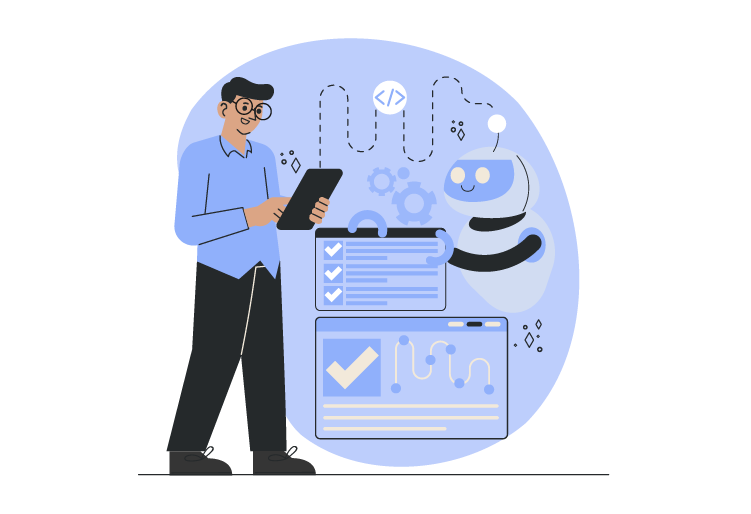
Leveraging artificial intelligence (AI) can significantly enhance your learning journey by personalizing your approach, identifying weaknesses, and optimizing your learning schedule. By understanding your learning style and tailoring resources to your specific needs, AI tools can streamline your learning process, leading to more efficient and effective knowledge acquisition. AI can be a powerful ally in your quest for knowledge, helping you overcome obstacles and achieve your learning goals.
AI-Driven Knowledge Gap Identification
AI algorithms excel at analyzing vast amounts of data to identify knowledge gaps in a learner’s understanding. These algorithms can compare a learner’s responses to questions, assessments, and practice exercises to pinpoint areas where additional learning is needed. This targeted approach ensures that time and effort are invested in the most critical areas, optimizing the learning process. For example, if an AI-powered platform detects a recurring pattern of errors in a specific mathematical concept, it can recommend targeted practice exercises and supplementary resources to address the identified weakness.
Prioritizing Learning Objectives with AI
AI can aid in prioritizing learning objectives by considering factors like the learner’s current knowledge base, learning goals, and time constraints. By analyzing these factors, AI can suggest a structured learning path, ensuring that the most crucial concepts are addressed first. AI can also incorporate feedback loops, adjusting the prioritization based on the learner’s progress and performance. This adaptive approach helps learners focus their efforts on the most important aspects of the material, maximizing their learning potential.
AI-Assisted Management of Distractions
AI tools can effectively mitigate distractions by creating optimized learning environments. These tools can identify and block distracting websites or notifications, allowing learners to focus on their studies without external interruptions. AI can also analyze the learner’s cognitive load and suggest breaks to prevent burnout and maintain concentration. For instance, AI-powered apps can schedule breaks and transitions, encouraging healthy study habits.
Curating Relevant Learning Materials with AI
AI can filter and curate learning materials, ensuring that learners are presented with the most relevant and engaging content. AI can analyze learning preferences and tailor the learning material based on the individual’s needs. This curated approach streamlines the learning process, allowing learners to access high-quality resources efficiently. AI can also translate content into multiple languages, making learning accessible to a broader audience.
A Structured Approach to Targeted Learning Sessions
Implementing AI for targeted learning sessions requires a structured approach. First, clearly define learning objectives and desired outcomes. Second, leverage AI tools to identify knowledge gaps and prioritize learning objectives. Third, utilize AI-powered resources to manage distractions and curate relevant learning materials. Fourth, actively engage with the curated materials, utilizing AI-driven feedback mechanisms to monitor progress and adjust the learning plan as needed.
Finally, evaluate learning outcomes and iterate on the approach to optimize future learning sessions. This structured approach ensures a more efficient and effective learning experience.
AI and Active Recall Techniques

Active recall is a powerful learning technique that strengthens memory and comprehension by actively retrieving information from memory rather than passively reading or reviewing. Leveraging AI, we can enhance active recall by tailoring practice questions, providing immediate feedback, and implementing spaced repetition strategies, thus accelerating the learning process.AI can significantly improve the effectiveness of active recall. By analyzing user responses and performance, AI systems can adapt the difficulty and nature of practice questions, ensuring that learners are consistently challenged but not overwhelmed.
This individualized approach optimizes the learning experience, leading to faster and more effective knowledge retention.
Methods for Using AI to Facilitate Active Recall
AI can automate the creation of active recall exercises, such as flashcards, practice questions, and quizzes. These AI-generated materials are dynamic, adapting to the learner’s performance and knowledge gaps, ensuring optimal learning outcomes.
Types of Active Recall Exercises and their Use with AI
The following table illustrates different types of active recall exercises and how AI can support them.
| Active Recall Exercise | AI Support |
|---|---|
| Flashcards | AI can generate flashcards with relevant information, questions, and answers. It can adjust the difficulty of the questions based on user performance. AI can also provide audio pronunciations and definitions, enhancing comprehension. |
| Practice Questions | AI can generate practice questions tailored to specific topics or concepts. The AI can dynamically adjust the difficulty of the questions based on user performance, ensuring a consistent challenge. |
| Quizzes | AI can create quizzes with a variety of question formats, including multiple-choice, true/false, and short-answer questions. The AI can also adapt the quiz content and difficulty based on user performance, making sure that quizzes remain challenging but achievable. |
| Self-Testing | AI can track the user’s performance on self-tests, identifying areas of weakness. Based on this analysis, the AI can generate targeted practice questions or resources to address specific knowledge gaps. |
Adapting Active Recall Exercises to Individual Needs
AI’s ability to personalize learning experiences is crucial for effective active recall. By analyzing user responses and performance, AI can identify areas where a learner struggles and adjust the difficulty and type of practice questions accordingly. This targeted approach ensures that learners are consistently challenged but not overwhelmed, optimizing the learning process. AI can also consider prior knowledge, learning style, and pace, creating a truly personalized learning experience.
Generating Practice Questions and Quizzes with AI
AI can be a powerful tool for generating practice questions and quizzes. It can draw on vast datasets of information and create questions of varying difficulty, ensuring learners are challenged appropriately. AI can also tailor question formats to different learning styles and knowledge domains. This personalization ensures learners are engaged and challenged, improving their understanding and retention.
Incorporating Spaced Repetition into AI-Driven Learning
AI excels at implementing spaced repetition, a proven technique for improving long-term memory retention. AI systems can track user performance and determine optimal intervals for reviewing material. This ensures that information is revisited at intervals that maximize retention, creating a dynamic learning cycle. This spaced repetition approach can lead to more efficient learning, where information is recalled effectively over time.
AI systems can adjust the timing of spaced repetition based on user performance, ensuring that material is reviewed when needed most.
Overcoming Challenges and Setting Realistic Expectations
Integrating AI into your learning journey can be incredibly beneficial, but it’s essential to approach it with realistic expectations and a proactive strategy for addressing potential obstacles. Understanding the limitations and potential pitfalls of AI-powered learning tools is crucial for a successful and fulfilling experience. This section will explore common challenges, troubleshooting strategies, and how to set achievable goals.
Common Obstacles in AI-Powered Learning
AI learning tools are powerful, but they are not a replacement for dedicated effort and critical thinking. Some common obstacles learners encounter include:
- Over-reliance on AI: Relying solely on AI for learning can hinder the development of crucial critical thinking skills and the ability to independently process information. This can manifest as a lack of genuine understanding of the subject matter, leading to difficulty in applying knowledge in real-world scenarios.
- Data Quality and Bias: AI models are trained on vast datasets, but these datasets can reflect existing biases and inaccuracies. This can lead to flawed or incomplete information presented by the AI tool, which in turn can lead to incorrect learning outcomes. Learners need to be aware of this possibility and cross-reference information with other reliable sources.
- Limited Contextual Understanding: AI tools may struggle with nuances in complex subjects, failing to grasp the broader context or subtle connections between concepts. This may result in a superficial understanding of the material.
- Technological Issues: Technical problems like slow internet connections, software glitches, or compatibility issues can disrupt the learning process, leading to frustration and wasted time. A stable internet connection and reliable software are essential.
Troubleshooting AI-Driven Learning Systems
When encountering problems with AI-powered learning tools, systematic troubleshooting is key.
- Verify Data Sources: Always verify the accuracy and credibility of the information provided by the AI tool. Cross-referencing with multiple reputable sources is essential.
- Adjust Learning Settings: Experiment with different learning settings and parameters to identify the most effective approach. Adjusting the difficulty level, question types, or feedback mechanisms may improve the learning experience.
- Seek External Support: If troubleshooting fails, reach out to the AI tool’s support team or community forums for assistance. Often, other users have encountered similar problems and have already found solutions.
- Identify and Address Root Causes: If problems persist, determine the root cause, whether it’s a technical issue, insufficient data quality, or a misalignment between your learning style and the tool’s capabilities.
Setting Realistic Learning Goals
It’s crucial to establish realistic and measurable goals when using AI in learning. Unrealistic expectations can lead to frustration and a decline in motivation.
- Define Specific Objectives: Clearly define the specific learning outcomes you aim to achieve. This will provide a roadmap for your learning journey and ensure you’re focused on the desired results.
- Break Down Large Tasks: Divide large learning goals into smaller, more manageable steps. This approach allows for a more focused and effective learning process, making progress more visible and encouraging.
- Track Progress: Regularly track your progress to assess your learning trajectory and make necessary adjustments to your strategies.
- Be Patient and Persistent: Learning takes time and effort, and AI tools are not a magic bullet. Be patient with the process and persistent in your efforts to achieve your learning goals.
Evaluating AI Learning Tool Effectiveness
Assessing the efficacy of AI-powered learning tools is vital for optimizing the learning process.
- Measure Learning Outcomes: Evaluate the effectiveness of the AI tool by measuring your learning outcomes. Did your knowledge improve? Were you able to apply the learned concepts? Using tests and assessments is essential to quantify the tool’s impact.
- Consider User Feedback: Collect feedback from other users to gain a broader perspective on the tool’s strengths and weaknesses. User reviews can offer valuable insights into the tool’s usability and effectiveness.
- Compare to Traditional Methods: Compare the effectiveness of AI-driven learning with traditional methods to assess the value proposition of the tool.
Adapting AI Learning Strategies
AI learning strategies need adaptation as your learning needs and progress evolve.
- Regularly Review and Adjust: Regularly review your learning strategies and adapt them as needed to maximize your learning experience.
- Incorporate Feedback: Use feedback from AI tools and your own observations to refine your approach.
- Experiment with Different Tools: Explore diverse AI tools to find the ones that best align with your learning style and objectives.
Ethical Considerations in AI-Driven Learning

AI-powered learning tools offer significant potential to personalize and accelerate education. However, ethical considerations are paramount to ensure responsible and equitable access to these benefits. This section explores the crucial aspects of bias mitigation, data privacy, critical evaluation, and responsible AI implementation in learning.
Potential Biases in AI Learning Tools
AI learning tools are trained on vast datasets. If these datasets reflect existing societal biases, the tools may inadvertently perpetuate and amplify them. For example, a language learning tool trained primarily on text from one region might not accurately represent or adequately support learners from other linguistic backgrounds. Gender, racial, and socioeconomic biases can also be embedded in algorithms, potentially leading to unfair or discriminatory outcomes.
Therefore, meticulous data curation and algorithm design are critical to minimize bias and promote inclusivity in AI-powered learning environments.
Data Privacy in AI Learning Platforms
Protecting user data is essential in AI learning platforms. AI systems often collect and analyze personal information, including learning patterns, performance metrics, and even sensitive preferences. Robust data security measures, including encryption and access controls, are necessary to prevent unauthorized access and misuse of this sensitive information. Compliance with relevant data privacy regulations, such as GDPR, is also crucial to uphold the rights and confidentiality of learners.
Critical Evaluation of AI-Generated Information
AI systems can generate vast amounts of information, but learners must critically evaluate its accuracy and reliability. Not all AI-generated content is factually correct or unbiased. Learning tools should incorporate mechanisms to highlight potential biases and inaccuracies. Users should develop critical thinking skills to identify and assess the sources and claims presented by AI tools. This includes questioning the underlying data, methodologies, and potential biases in the information generated.
Best Practices for Responsible AI Use in Learning
Responsible use of AI in learning requires a multi-faceted approach. Transparency in algorithm design and data usage is crucial to build trust and understanding. Regular audits of AI systems for bias detection and mitigation are essential. Furthermore, ongoing education and training for educators and learners on responsible AI usage are paramount. This involves fostering critical thinking skills, encouraging ethical reflection, and promoting responsible innovation in the field.
Questions for Evaluating Ethical Concerns in AI Learning Tools
Evaluating the ethical implications of AI learning tools necessitates a comprehensive approach. This involves asking critical questions about the tool’s design, data sources, potential biases, and privacy measures. A comprehensive evaluation should consider the following:
- What data sources were used to train the AI system, and are these sources representative and free of bias?
- Does the tool provide transparency into its decision-making processes and algorithms?
- How does the platform handle user data, ensuring privacy and security, and are there robust mechanisms to prevent misuse or unauthorized access?
- What safeguards are in place to mitigate potential biases in the learning experience and outcomes?
- Does the tool incorporate mechanisms to help users critically evaluate the information provided?
- How does the platform address ethical considerations specific to diverse learners and contexts?
Ultimate Conclusion
In conclusion, this exploration of “How to Learn Anything Faster with AI” has revealed the transformative power of AI in education. By understanding learning styles, utilizing AI tools, optimizing strategies, and focusing on ethical considerations, individuals can embark on a journey of accelerated and personalized learning. The practical strategies and insights presented will empower readers to leverage AI for enhanced knowledge acquisition.