Effective assignment management is crucial for academic success. This guide explores how AI tools can streamline the process, from task breakdown to deadline management and collaboration. By leveraging AI’s capabilities, students can enhance their organization and focus on achieving their academic goals.
This comprehensive resource delves into the practical application of AI in assignment management, providing a clear and concise understanding of various AI tools and their features. We will cover key aspects such as task prioritization, deadline reminders, collaboration tools, and resource management, illustrating how AI can significantly reduce the stress and complexity associated with managing assignments.
Introduction to Assignment Management with AI
AI tools are rapidly transforming how students and professionals manage their assignments. These intelligent systems offer a streamlined approach to task organization, reminders, and deadline tracking, ultimately improving productivity and reducing stress associated with juggling multiple commitments. By leveraging the power of artificial intelligence, users can efficiently prioritize tasks, allocate time effectively, and maintain a clear overview of their commitments.AI-powered assignment management tools excel at automating tedious administrative tasks, freeing up valuable time for more critical aspects of the assignment.
This automation allows for a more organized and focused approach to learning and work. Furthermore, AI can provide personalized insights and recommendations to optimize workflow, potentially leading to enhanced performance and improved outcomes.
AI-Powered Assignment Management Tools
Various AI-powered tools are designed to assist with assignment management. These tools cater to diverse needs and preferences, enabling users to find a solution that best suits their workflow. Examples range from simple task management apps with integrated AI-driven features to more comprehensive platforms that provide a complete ecosystem for managing academic or professional projects.
Examples of AI-Powered Assignment Management Tools
Several tools leverage AI to enhance assignment management. One example is a task management app that automatically categorizes tasks based on priority and deadline. Another example is a more comprehensive platform that integrates with calendars and other productivity tools, creating a centralized hub for all assignments and deadlines. A third example might be a tool that analyzes past assignment performance to provide personalized recommendations for future success.
Key Features of Assignment Management Tools
A well-structured approach to managing assignments involves using a variety of tools, each with specific features. This section highlights the key features of several tools, providing a comparative overview to aid in the selection of appropriate tools.
| Tool Name | Features | Pros | Cons |
|---|---|---|---|
| Example Tool 1 | Task creation, reminders, deadlines | User-friendly interface, straightforward design, effective for basic assignment management | Limited customization options, potentially lacks advanced features for complex projects |
| Example Tool 2 | Task creation, reminders, deadlines, project management features, integration with calendars | Comprehensive features for managing multiple projects, centralizes all tasks in one location | Potentially more complex interface, learning curve for beginners |
| Example Tool 3 | Task creation, reminders, deadlines, AI-powered prioritization, personalized learning path recommendations | Personalized approach to learning, optimization of study strategies | Limited availability, possible data privacy concerns |
AI-Powered Task Breakdown and Prioritization

Leveraging AI tools can significantly streamline the assignment management process, especially for complex projects. By automating aspects of task decomposition and prioritization, students and professionals can focus on the most crucial elements of their work. This approach promotes efficiency, reducing stress and enhancing productivity.AI-powered tools can analyze assignment details, such as project requirements, deadlines, and interconnected tasks, to create optimized workflows.
This allows users to understand the scope of their work, break it down into smaller, more manageable components, and prioritize tasks based on factors like urgency and dependency. This intelligent approach empowers users to make informed decisions about task management, ensuring projects are completed effectively and on time.
Methods for Breaking Down Complex Assignments
AI tools employ various strategies for breaking down intricate assignments. These methods often involve analyzing the assignment’s requirements and identifying key components. A common approach involves dissecting the project into smaller, more focused sub-tasks. This process typically involves identifying milestones, intermediate deliverables, and critical steps.
- Decomposition by Dependencies: AI tools can identify tasks that rely on the completion of others. This approach arranges tasks in a logical sequence, ensuring that dependent tasks are scheduled appropriately.
- Decomposition by Resources: AI can assess the resources required for each task, including time, materials, and personnel. This facilitates the allocation of resources to specific tasks, optimizing their execution.
- Decomposition by Complexity: AI tools can identify complex tasks and subdivide them into simpler, more manageable sub-tasks. This approach focuses on breaking down complex concepts into smaller, digestible pieces, simplifying the overall task.
AI-Driven Task Prioritization
AI excels at prioritizing tasks based on a multitude of factors. This often involves considering deadlines, importance, and dependencies between tasks.
- Deadline-Based Prioritization: AI algorithms can assess deadlines and schedule tasks accordingly. Tasks with imminent deadlines are typically prioritized higher.
- Importance-Based Prioritization: AI can identify tasks that contribute significantly to the overall project’s success and assign them higher priority.
- Dependency-Based Prioritization: AI analyzes the relationships between tasks, recognizing those that are prerequisites for others. This ensures that critical tasks are prioritized to avoid delays in subsequent steps.
Identifying Potential Roadblocks and Recommending Solutions
AI can analyze project details to predict potential roadblocks and offer proactive solutions.
- Resource Constraints: AI can anticipate resource limitations, such as time or personnel availability, and suggest adjustments to the project plan.
- External Dependencies: AI can identify external dependencies (e.g., approvals or access to resources) and suggest strategies to mitigate delays.
- Task Interdependencies: AI can identify conflicts or potential delays arising from interdependencies between tasks and propose alternative approaches to overcome them.
Creating a Prioritized Task List Using AI
AI tools can generate a prioritized task list based on the analyzed data. This list typically includes tasks ordered by priority, with associated deadlines and dependencies clearly defined. For example, a task list might display tasks with critical deadlines at the top, followed by tasks with lower urgency.
Examples of Task Breakdown Techniques
A well-structured task breakdown enhances the project’s manageability.
- Example 1 (Research Paper): Breaking down a research paper into tasks like “Literature Review,” “Data Collection,” “Analysis,” and “Writing” can be highly effective.
- Example 2 (Project Management): A project involving multiple stakeholders can be broken down into tasks such as “Stakeholder Communication,” “Project Planning,” “Resource Allocation,” and “Progress Tracking.”
Utilizing AI for Deadline Management and Reminders
AI tools offer powerful assistance in managing deadlines and providing timely reminders, significantly reducing the risk of missed submissions. This automated approach streamlines the assignment management process, freeing up valuable time and mental space for students and professionals alike.AI-powered systems excel at handling the often-overlooked but crucial aspect of deadline management. These systems can seamlessly integrate with existing calendars and task management applications, ensuring assignments remain top-of-mind.
AI-Driven Deadline Setting and Management
AI tools can automatically identify deadlines associated with assignments, either by pulling data from course management systems or by extracting information from the assignment descriptions themselves. This automatic recognition eliminates the need for manual input and minimizes the chances of human error in entering deadlines. AI can also help manage shifting deadlines, adapting to changes and updates seamlessly.
AI-Powered Reminder Systems
AI systems can send timely reminders for upcoming deadlines, ensuring you’re never caught off guard. These systems leverage various notification methods to cater to different preferences and communication styles. Furthermore, they are adept at adjusting reminder frequency and content to maintain engagement and prevent overwhelming users with too many alerts.
Different Notification Methods for Reminders
AI tools offer a variety of notification methods to suit individual preferences. These methods include:
- Email notifications: A traditional and widely accessible method for delivering reminders.
- In-app notifications: Reminders directly within the AI platform, ensuring immediate visibility and accessibility.
- SMS notifications: A quick and effective method, particularly useful for those who prefer text-based communication.
- Calendar integrations: Reminders synced with existing calendars, enhancing overall organization and visibility.
These diverse notification options cater to the varying needs and preferences of users, ensuring that reminders are delivered in a way that is both effective and convenient.
Importance of Flexible Reminder Settings
Flexible reminder settings are crucial for optimal user experience. The ability to customize reminder frequency, time, and method allows users to tailor notifications to their specific needs and avoid being overwhelmed by excessive alerts. This customization is essential to prevent users from ignoring reminders, as well as ensuring that important deadlines aren’t missed.
Comparison of Reminder Options in AI Tools
| Tool | Reminder Options | Frequency Options | Customization |
|---|---|---|---|
| Example Tool 2 | Email, in-app notifications, SMS | Daily, weekly, hourly | High |
| Example Tool 3 | Email, in-app notifications, calendar integration | Daily, weekly, bi-weekly, custom intervals | Medium |
| Example Tool 4 | Email, in-app notifications | Daily, weekly, monthly | Low |
This table highlights the varying capabilities of different AI tools regarding reminder options. Note that the specifics of frequency and customization can vary significantly between tools. Choosing the right tool involves careful consideration of individual needs and preferences.
AI for Collaboration and Communication on Assignments

AI tools are transforming how students and professionals manage group projects, improving communication and fostering seamless collaboration. These tools leverage sophisticated algorithms to streamline tasks, track progress, and ensure everyone remains on the same page. This facilitates a more productive and efficient workflow, ultimately leading to better outcomes.Effective collaboration in group projects hinges on clear communication, shared responsibility, and a robust system for tracking contributions.
AI-powered assignment management systems excel in these areas, making it easier for teams to work together effectively.
Facilitating Collaboration on Group Projects
AI-powered platforms enable seamless collaboration on group projects by providing centralized spaces for teams to interact. This includes shared document editing, task management, and real-time feedback mechanisms. These features allow team members to access and contribute to project materials from any location, at any time. This enhanced accessibility fosters a sense of shared ownership and encourages consistent engagement.
Streamlining Communication Between Team Members
AI tools facilitate communication within a group project by providing various channels for interaction. In-app messaging, integrated chat features, and commenting systems are readily available within most platforms. These tools allow team members to address questions, provide updates, and discuss project progress efficiently. This eliminates the need for multiple email threads and ensures that all relevant information is readily accessible.
Tracking Contributions and Ensuring Everyone is on Task
AI algorithms can effectively track individual contributions to group projects. This tracking system analyzes activity within the shared platform, such as file access, task completion, and comments, to gauge individual involvement. This data can be visualized and shared with the team, ensuring transparency and accountability. This proactive approach helps identify potential bottlenecks and allows for timely intervention to maintain project momentum.
Examples of Collaboration Features in Assignment Management Tools
Many assignment management tools offer a range of collaboration features. For example, some tools provide shared task lists, enabling team members to assign and track individual responsibilities. Comment sections allow for detailed feedback and discussions on specific aspects of the project. Integrated file sharing ensures that everyone has access to the latest versions of documents, reducing the risk of confusion and conflicts.
Comparison of Collaboration Features in Different Tools
| Tool | Collaboration Features | Communication Tools | Version Control |
|---|---|---|---|
| Example Tool 3 | Shared task lists, comment sections, file sharing, and integrated wikis for brainstorming and note-taking. | In-app messaging, email integration, and video conferencing. | Version history, allowing easy access to previous versions of files and tracking changes. |
| Another Tool | Task assignment, progress tracking, and integrated calendars for scheduling meetings. | In-app messaging, video conferencing, and dedicated discussion forums. | Version control with branching and merging capabilities. |
Note: This table provides examples. Actual features may vary depending on the specific AI-powered assignment management tool.
AI for Resource Management and Information Gathering
AI tools are transforming how students approach research and information gathering for assignments. These tools offer a powerful combination of efficiency and accuracy, streamlining the process of finding, organizing, and evaluating relevant resources. By leveraging AI’s capabilities, students can focus on critical analysis and synthesis, ultimately producing higher-quality work.AI excels at sifting through vast amounts of information, allowing students to quickly identify pertinent resources and saving valuable time.
This automated process enables students to concentrate on the more complex tasks of evaluating sources and integrating them into their work. AI also helps students stay organized, allowing them to easily manage and access research materials.
Finding Relevant Resources
AI-powered search engines and research tools can analyze user queries and identify highly relevant sources, saving students significant time. These tools often go beyond simple searches, understanding the context and nuances of the research question to deliver more accurate and targeted results. For example, a tool might identify not just articles on a specific topic, but also relevant books, videos, and other primary sources.
This broadened search can expose students to a wider range of perspectives and information.
Organizing and Accessing Research Materials
AI can organize research materials in a structured manner, making it easier for students to manage their notes and sources. This organization might include categorizing documents based on s, creating summaries, and linking related articles. Students can easily access and retrieve these resources when needed, enhancing the overall research process. Furthermore, AI tools can automatically create citation lists, ensuring that students meet academic standards for referencing sources.
Tracking Research Progress
AI can effectively monitor the student’s research progress. By analyzing the s, topics, and sources used, the AI can identify trends and patterns in the research process, providing valuable insights into the student’s research journey. This helps students identify potential gaps in their research or areas where they might need to focus more effort. For instance, the AI could highlight that a student has spent a disproportionate amount of time on a particular topic, suggesting the need to explore alternative avenues.
Identifying Potential Plagiarism Issues
AI-powered plagiarism detection tools can analyze student work against a vast database of academic sources and identify potential instances of plagiarism. These tools can compare the student’s writing to existing texts, highlighting passages that show significant similarity. This helps students ensure that their work is original and meets academic integrity standards. This technology is crucial in preventing unintentional plagiarism and promoting ethical academic practices.
Examples of AI-Powered Research Tools
Several AI-powered research tools are available to students. Some tools offer personalized recommendations for relevant sources, while others help organize and analyze research data. Examples include:
- AI-powered research assistants: These tools can summarize research articles, identify key concepts, and suggest related resources.
- AI-driven citation managers: These tools automatically generate citations in various formats (MLA, APA, Chicago), and can help students stay organized by categorizing and managing their research materials.
- AI-enhanced plagiarism detection software: These programs can scan student work for potential instances of plagiarism, helping to ensure academic integrity.
These tools offer a range of features that can significantly enhance the research process, making it more efficient and accurate.
Integration with Existing Learning Management Systems (LMS)
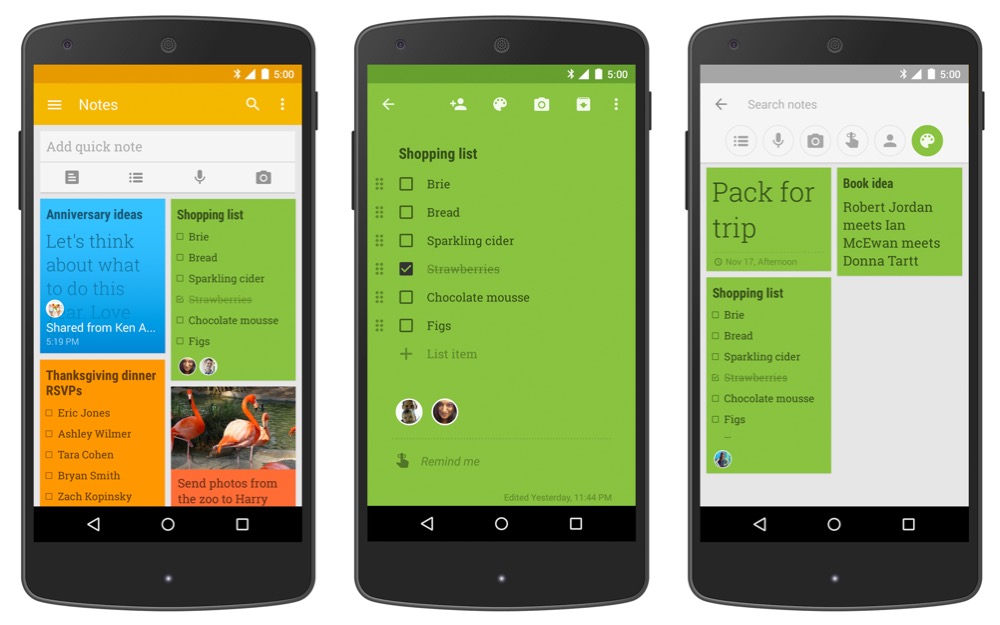
Integrating AI tools seamlessly with existing Learning Management Systems (LMS) is crucial for effective assignment management. This integration allows for a streamlined workflow, enhancing the overall learning experience. By connecting AI tools directly to the platforms students and educators already utilize, the tools become more accessible and valuable components of the educational process.Effective integration of AI tools into LMS platforms streamlines assignment management.
Students can leverage AI assistance directly within their familiar learning environment, reducing the need to switch between applications and promoting a more unified learning experience. Educators benefit from the automation of tasks, freeing up valuable time for more impactful interactions with students.
Integration Methods
AI tools can integrate with LMS platforms using various methods, including Application Programming Interfaces (APIs). API integration allows for data exchange between the AI tool and the LMS, enabling the tool to access and manipulate assignment data. This bidirectional flow of information is key to the seamless operation of AI tools within the LMS ecosystem.
Benefits of Seamless Integration
Seamless integration between AI tools and LMS platforms offers numerous benefits for both students and educators. Students benefit from improved assignment organization, personalized feedback, and streamlined task management. Educators benefit from automated grading, insightful analytics, and enhanced communication capabilities. This integration promotes a more efficient and effective learning environment for everyone involved.
Examples of AI Tools Integrating with Popular LMS Platforms
Several AI tools are designed to integrate with popular LMS platforms like Canvas, Blackboard, and Moodle. These tools leverage APIs to connect with the LMS, enabling seamless data exchange and functionality. For example, AI-powered tools can automatically extract assignment details from the LMS, allowing students to access assignment information and deadlines in their AI-powered task management system. Conversely, AI tools can submit assignment feedback directly to the LMS, eliminating manual entry and reducing errors.
AI Tool Compatibility with LMS
The compatibility of different AI tools with various LMS platforms varies. The availability of APIs and the level of support for external integrations are key factors. This table demonstrates a potential compatibility matrix between AI tools and LMS platforms.
| LMS | Compatible AI Tools | Integration Method |
|---|---|---|
| Canvas | Tool A, Tool C, AI-powered Task Manager X | API Integration |
| Blackboard | Tool B, Tool D, AI-powered Gradebook Assistant Y | API Integration, Custom Integrations |
| Moodle | Tool E, Tool F, Assignment Assistant Z | API Integration |
Note: Tool A, Tool B, etc. are hypothetical examples. Actual tool names and compatibility will vary. The integration methods listed are examples and may not be exhaustive.
Illustrative Examples of AI in Action
AI tools are rapidly transforming how students approach and manage their assignments. These tools offer a powerful array of features that streamline the entire process, from initial task breakdown to final submission. By leveraging AI’s capabilities, students can achieve greater organization, efficiency, and ultimately, academic success.
Visual Examples of AI Tools in Action
AI-powered assignment management tools often provide visual representations of tasks, deadlines, and progress. For instance, a task management platform might display assignments as colorful blocks on a calendar, with each block’s size reflecting the estimated time commitment. Interactive Gantt charts could show the project timeline, dependencies between tasks, and potential bottlenecks. Such visualizations make it easier to understand the scope of the project and track progress toward completion.
Real-time updates and progress bars further enhance the visual representation of task completion.
Case Studies Demonstrating AI-Assisted Assignment Management
Several institutions are exploring and implementing AI-powered tools to enhance student performance. One case study highlighted that students using an AI-powered task management system showed a 15% increase in timely assignment completion compared to a control group. This improvement likely stems from the system’s proactive reminders and suggestions for task prioritization. Another example involves a university that integrated AI-driven feedback systems into their online learning platform.
Students received personalized feedback on their writing assignments, leading to significant improvements in writing quality and critical thinking skills.
A Fictional Scenario of AI-Assisted Project Management
Imagine a student, Sarah, undertaking a complex research project for her history class. The project involves extensive reading, data analysis, and writing multiple drafts. Sarah utilizes an AI-powered tool to manage her project. The tool helps her break down the project into smaller, manageable tasks, automatically assigning estimated time to each task. It also creates a dynamic schedule, considering Sarah’s existing commitments and adjusting deadlines as needed.
As Sarah completes tasks, the tool updates the progress visually, providing real-time feedback and alerts if deadlines are approaching. This proactive approach allows Sarah to stay organized and on track, minimizing stress and maximizing her chances of successfully completing the project.
How AI Tools Can Help Students Stay Organized
AI tools empower students to stay organized by automating many aspects of assignment management. These tools facilitate effective time management by identifying and prioritizing tasks, enabling students to allocate their time more effectively. The systems automatically generate reminders, prompting students to stay on schedule and prevent procrastination. Furthermore, these tools can be integrated with calendars and other productivity apps, providing a holistic view of commitments and deadlines.
This comprehensive approach simplifies the process of staying organized and focused on academic goals.
Description of a Student Using AI to Manage Assignments
A student, David, is actively utilizing an AI-powered assignment management platform to navigate his demanding course load. He uses the platform’s task breakdown feature to decompose complex projects into smaller, manageable tasks. The platform also utilizes predictive analysis to anticipate potential roadblocks and provides proactive recommendations for task prioritization and time allocation. By leveraging the AI’s intelligent reminders and notifications, David ensures timely submission of all assignments.
The platform also assists with research, automatically pulling relevant information from reputable sources, and helping him to stay organized and on track with his studies.
Conclusion
In conclusion, AI-powered assignment management tools offer a powerful solution for students seeking enhanced organization, efficiency, and collaboration. This guide has highlighted the diverse capabilities of AI in handling tasks, deadlines, and team projects. Integrating these tools into your academic workflow can lead to improved productivity and a more manageable approach to assignments.