Creating effective study Artikels is crucial for successful learning. This guide explores the power of artificial intelligence (AI) in streamlining this process, offering a practical and comprehensive approach. From defining study subjects to incorporating supporting materials, refining Artikels, and utilizing AI-generated templates, we’ll navigate the entire process, equipping you with the tools and techniques needed to excel.
This detailed exploration delves into the various stages of creating study Artikels using AI. We’ll cover everything from initial planning and outlining to incorporating resources, visual aids, and active recall strategies. By leveraging AI, you can optimize your learning experience and achieve a deeper understanding of the subject matter.
Introduction to AI-Assisted Study Artikels
Artificial intelligence (AI) is rapidly transforming various aspects of our lives, and education is no exception. AI-powered tools are emerging that can significantly aid in the creation of effective study Artikels, streamlining the learning process and improving comprehension. These tools leverage sophisticated algorithms to analyze vast amounts of information and generate tailored study plans.AI-assisted study Artikels offer a more personalized and efficient approach to learning, allowing students to focus on key concepts and prioritize their study time.
This approach reduces the time spent on rote memorization and promotes deeper understanding, leading to improved academic performance.
Types of AI Tools for Study Artikel Generation
AI tools for study Artikel generation encompass a wide range of functionalities, each tailored to specific needs and learning styles. These tools often employ natural language processing (NLP) to interpret the subject matter and extract relevant information. Some examples include:
- Summarization tools: These tools condense large amounts of text into concise summaries, extracting key points and themes. They are particularly helpful for quickly grasping the essence of a chapter or a research paper.
- Concept mapping tools: AI-powered tools can create visual representations of concepts and their relationships. These visual aids help students understand complex ideas by showing connections between different concepts. This helps students to understand complex concepts and their interrelationships.
- Question generation tools: These tools generate practice questions based on the study material, allowing students to actively engage with the content and assess their understanding.
- Personalized learning platforms: These platforms utilize AI to tailor study plans based on individual learning styles, strengths, and weaknesses. This ensures that the study plan aligns perfectly with the student’s learning style, thus maximizing learning effectiveness.
Benefits of AI-Assisted Study Artikels
The use of AI for creating study Artikels presents several advantages for students and educators alike. These benefits contribute to a more efficient and effective learning experience:
- Improved Time Management: AI can identify key concepts and prioritize study material, enabling students to allocate their time effectively. This results in more focused study sessions and reduced wasted time.
- Enhanced Understanding: AI tools can provide a comprehensive overview of a subject, highlight relationships between concepts, and generate practice questions, leading to a deeper understanding of the material.
- Personalized Learning: AI can tailor study plans to individual learning styles and needs, ensuring a more effective and engaging learning experience.
- Reduced Stress: By providing structured study Artikels, AI tools can alleviate stress associated with planning and organizing study materials.
Example of an AI-Generated Study Artikel
Imagine a student preparing for a history exam focusing on the French Revolution. An AI tool could generate a study Artikel that includes key topics such as:
- Causes of the Revolution
- Key Figures and Events
- Social and Economic Impacts
- Legacy of the Revolution
Each of these points could be further broken down into sub-points, providing a detailed and structured study plan.
Study Subjects Benefiting from AI-Assisted Study Artikels
AI-assisted study Artikels can be beneficial for a wide range of subjects. The adaptability of these tools allows for their application in diverse fields, from STEM to humanities:
- History: AI can help students understand complex historical timelines and events, connecting causes and effects.
- Science: AI can generate study Artikels that focus on key scientific concepts and formulas, aiding in comprehension and problem-solving.
- Literature: AI can identify themes, literary devices, and character development in literary works, enhancing analysis and critical thinking.
- Mathematics: AI can generate practice problems and study guides focusing on specific mathematical concepts and formulas.
Defining the Study Subject and Goals
Clearly defining the study subject and establishing learning objectives are crucial steps in creating an effective study Artikel. A well-defined subject allows for focused effort and prevents unnecessary tangents. Identifying key learning objectives ensures the study addresses the essential aspects of the subject matter, ultimately leading to a more comprehensive understanding.A comprehensive understanding of the subject and desired learning outcomes is fundamental to constructing a productive study plan.
This phase necessitates a thorough analysis of the subject’s scope and the intended learning outcomes. By outlining the specific goals, students can tailor their learning strategies to optimize their knowledge acquisition.
Methods for Defining the Subject Matter
Defining the subject matter involves a multifaceted approach. Begin by identifying the core concepts and principles that underpin the subject. This can be achieved through consultations with course materials, relevant textbooks, and potentially subject matter experts. Dissecting the subject into smaller, manageable components helps to understand its intricate details.
Identifying Key Learning Objectives
Articulating key learning objectives requires a precise understanding of the desired outcomes. These objectives should align with the course learning outcomes and the broader learning goals. Consider the specific skills, knowledge, and understanding that you want to acquire. This meticulous process ensures that your study efforts are directed towards achieving the desired learning outcomes.
Formulating Learning Goals
Formulating learning goals involves a systematic process. First, determine the specific knowledge and skills you intend to gain. Next, translate these objectives into measurable learning goals. These goals should be specific, measurable, achievable, relevant, and time-bound (SMART). This structure ensures a clear path towards accomplishing the desired outcomes.
Types of Learning Objectives
Different types of learning objectives cater to various learning needs. Understanding these types allows for a more tailored approach to learning.
- Knowledge-based objectives: These objectives focus on recalling factual information and defining key concepts. For example, “Define the characteristics of a cell membrane.” or “List the components of the digestive system.”
- Comprehension-based objectives: These objectives aim to demonstrate understanding of concepts, principles, and relationships. Examples include: “Explain the process of photosynthesis” or “Compare and contrast different types of government.”
- Application-based objectives: These objectives emphasize applying learned concepts and principles to new situations. For instance, “Apply the principles of stoichiometry to solve a chemical problem” or “Develop a marketing strategy for a new product.”
- Analysis-based objectives: These objectives involve breaking down complex information into its component parts and identifying relationships between them. An example is: “Analyze the causes and effects of the American Revolution.” or “Identify the different literary techniques used in a poem.”
- Synthesis-based objectives: These objectives emphasize combining different ideas and concepts to create something new. For example, “Design a new experiment to test a scientific hypothesis” or “Develop a proposal for a community project.”
- Evaluation-based objectives: These objectives focus on judging the value or merit of information or ideas. An example would be: “Evaluate the effectiveness of a particular marketing campaign” or “Critically analyze an historical event.”
Effective Study Goals for Different Subjects
Tailoring study goals to specific subjects is essential for optimal learning. Here are some examples:
| Subject | Example Learning Goal |
|---|---|
| History | “Analyze the causes and effects of the French Revolution, focusing on social and economic factors.” |
| Mathematics | “Apply the principles of calculus to solve optimization problems in real-world scenarios.” |
| Biology | “Compare and contrast different types of cellular respiration, highlighting the energy production process.” |
| Literature | “Analyze the use of symbolism and imagery in Shakespeare’s Macbeth to understand the play’s themes.” |
Structuring the Study Artikel with AI
AI tools excel at organizing information into coherent and logical structures. By leveraging algorithms and natural language processing, these tools can transform raw data into well-defined study Artikels, streamlining the learning process. This structured approach significantly improves comprehension and retention, particularly when tackling complex subjects.AI’s ability to identify relationships and patterns within information is crucial for creating effective study Artikels.
It allows users to navigate information efficiently and concentrate on key concepts, thereby maximizing learning outcomes. This is especially beneficial for subjects with extensive or intricate content.
Methods for Organizing Information
AI tools can generate various organizational structures, adapting to the specific needs of the study material. These tools are not limited to a single structure, but can adapt and generate different structures depending on the input and desired outcome.
- Chronological Structure: This structure presents information in a sequential order, such as historical events or the stages of a process. AI can analyze text and identify key events, arranging them in a logical timeline. For example, a study on the development of the printing press would arrange the information according to the chronological order of invention, refinement, and impact.
- Thematic Structure: This approach groups information based on common themes or topics. AI can identify recurring concepts and categorize them into relevant themes, enabling a focused study of specific areas. For example, a study of the Renaissance could be structured around themes such as art, literature, and political changes.
- Problem-Solution Structure: This structure presents a problem, followed by possible solutions and their implications. AI can identify problems and solutions within the subject matter, structuring the study Artikel around addressing the problem and the proposed solution. For instance, a study of environmental issues could use this structure to identify specific problems and present possible solutions, including their strengths and weaknesses.
- Comparative Structure: This structure highlights similarities and differences between various subjects or concepts. AI can analyze the input and identify key comparisons and contrasts, allowing the learner to identify commonalities and unique aspects of the studied material. For instance, a study comparing different economic systems could use this structure to analyze their similarities and differences.
Using Mind Maps and Concept Maps
AI tools can facilitate the creation of visual Artikels, such as mind maps and concept maps. These visual representations can help learners grasp complex ideas and connections more easily. Mind maps utilize a central idea branching out into related s, while concept maps display relationships between concepts using interconnected nodes.
- Mind Maps: AI can generate mind maps by identifying central themes and linking associated concepts. The branching structure visually represents the hierarchy and interrelationships within the subject matter, enhancing comprehension and memory. A mind map on the human circulatory system, for instance, could show the heart as the central concept, branching out to arteries, veins, and capillaries.
- Concept Maps: AI can construct concept maps by recognizing the relationships between concepts and representing them visually. These maps show how concepts relate to one another, making complex ideas more accessible and understandable. A concept map on the cell cycle would illustrate the sequence of events and the connections between the various phases.
Categorizing Information for Study
AI can categorize information in various ways, depending on the user’s needs and the subject matter. These methods include analysis, topic extraction, and pattern recognition.
- Analysis: AI can identify important s within the text and group related information. This method allows for focused study on specific aspects of the subject matter. For example, a study on the American Civil War could use s like “slavery,” “secession,” and “battle” to categorize information.
- Topic Extraction: AI can identify and extract main topics from a body of text, enabling a structured overview of the subject matter. This helps in organizing study material into meaningful sections. For instance, a study on the history of the automobile could extract topics such as “early designs,” “mass production,” and “environmental impact.”
- Pattern Recognition: AI can identify recurring patterns and structures within the data, enabling the creation of logical categories. This method allows for a comprehensive understanding of the subject matter. For example, a study on the periodic table could identify patterns in the arrangement of elements and their properties.
Optimizing Study Artikel Structure
A well-structured study Artikel is essential for effective learning. Consider these factors to optimize the structure:
- Clarity and Conciseness: Ensure that the Artikel is easy to understand and avoids unnecessary complexity. The language should be clear and the concepts should be concise.
- Logical Flow: The Artikel should follow a logical progression, with each section building upon the previous one. This ensures a coherent and understandable structure.
- Relevance to Learning Objectives: The Artikel should directly support the learning objectives, ensuring that all essential concepts are covered.
Incorporating Supporting Materials
Effective study Artikels leverage external resources to deepen understanding and solidify knowledge. This section details the crucial process of incorporating supporting materials into your study Artikel, from textbooks and articles to videos and visuals. Proper integration of these resources enhances comprehension and allows for a more thorough examination of the subject matter.Integrating relevant materials is a key component of a robust study Artikel.
By carefully selecting and incorporating information from diverse sources, you create a comprehensive understanding of the subject. This approach ensures your study Artikel is not just a collection of ideas, but a structured exploration of the topic.
Methods for Incorporating Textbooks
Effective integration of textbooks involves more than just copying passages. Actively engage with the material by highlighting key concepts, creating summaries, and identifying connections between different sections. Paraphrasing information in your own words reinforces understanding and prevents simple memorization.
- Create concise summaries of each chapter or section, focusing on main arguments and supporting evidence.
- Identify key terms and definitions, noting their context and importance within the broader discussion.
- Note any diagrams, charts, or illustrations, explaining their significance and relationship to the text.
Incorporating Articles and Journals
Articles and journals offer specialized perspectives and in-depth analysis. Critically evaluate the arguments presented, identify supporting evidence, and determine how the article relates to your overall study goals. Note any contrasting viewpoints and integrate them into your Artikel.
- Summarize the author’s main arguments and supporting evidence.
- Identify the strengths and weaknesses of the author’s arguments.
- Compare and contrast the article’s findings with other sources.
Utilizing Videos and Multimedia
Videos and multimedia resources can provide valuable context and visual aids. Identify key takeaways, summarize information presented, and consider how visual elements enhance understanding. Relate video content to textual materials to create a more holistic understanding.
- Identify key concepts and arguments presented in the video.
- Summarize the information in your own words.
- Connect the video content to relevant sections of your textbook or articles.
Incorporating Visuals and Multimedia
Visual aids, such as graphs, charts, and images, can significantly enhance understanding. Include visuals directly into your Artikel, and annotate their role in supporting the textual information. Explain how these visuals reinforce or illustrate key concepts.
- Identify the type of visual (e.g., bar graph, flowchart).
- Describe the key information presented in the visual.
- Explain how the visual relates to the textual content.
Integrating Summaries and Key Takeaways
Create concise summaries of each resource, highlighting key takeaways. These summaries serve as a bridge between different sources, demonstrating connections and reinforcing comprehension. Organize these summaries within your Artikel, linking them to relevant sections and concepts.
- Summarize the key points from each resource in your own words.
- Identify the connections between different resources.
- Highlight the main takeaways from each source and how they relate to your study goals.
Example Study Artikel with Integrated Supporting Materials
| Section | Topic | Supporting Materials | Summary |
|---|---|---|---|
| 1. Introduction | Background of the topic | Textbook Chapter 1, Article A | Summarized background information from the textbook and article, highlighting key historical events and concepts. |
| 2. Historical Context | Early developments | Article B, Video Presentation | Summary of early developments based on Article B and the video, including key figures and innovations. |
| 3. Modern Applications | Current trends | Textbook Chapter 2, Article C, Visual: Graph of market share | Summary of modern applications, referencing current trends and data from the textbook, article, and the graph. |
Refining and Personalizing the Study Artikel
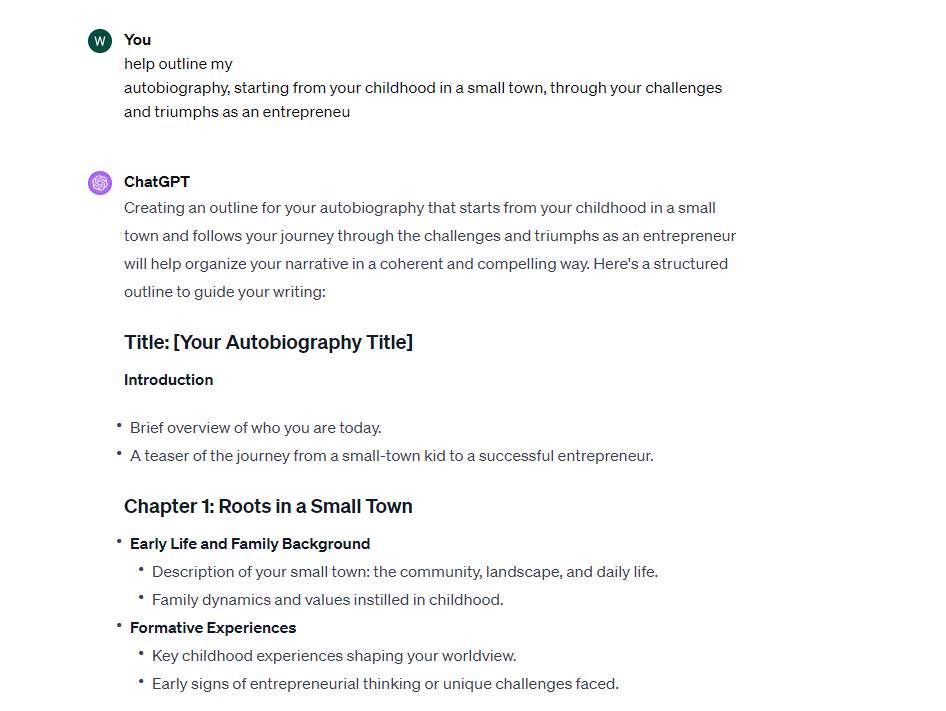
Crafting a study Artikel with AI is a valuable initial step, but true effectiveness hinges on tailoring it to your unique learning style and needs. A well-personalized Artikel ensures that you absorb the material in a way that maximizes retention and comprehension. This stage of refinement is crucial for achieving optimal learning outcomes.This section delves into the methods for adapting an AI-generated study Artikel to individual learning preferences and strategies.
We’ll explore ways to modify the Artikel’s structure, content, and resources to align with different learning styles, fostering a more engaging and effective study process.
Adjusting for Learning Styles
Understanding your learning style is key to refining the Artikel. Different individuals process information in various ways, and tailoring the Artikel to these preferences enhances the learning experience. Visual learners, for example, benefit from diagrams and charts, while auditory learners might find lectures and discussions more effective. Kinesthetic learners thrive on hands-on activities and practical applications.
- Visual Learners: Visual learners benefit from incorporating diagrams, flowcharts, mind maps, and other visual aids into the Artikel. These aids can be incorporated into the Artikel by identifying key concepts and then visually representing them through diagrams, charts, and mind maps. The AI-generated Artikel can be supplemented with visual aids to provide a more comprehensive and engaging study experience.
For example, a history Artikel might include timelines, maps, and images of historical artifacts.
- Auditory Learners: For auditory learners, the Artikel can be supplemented with audio recordings of lectures, discussions, or summaries of key concepts. Consider creating audio summaries of key concepts and historical timelines, which can help to improve comprehension and retention. You could also record yourself reading the Artikel aloud or listen to audiobooks or podcasts related to the subject matter.
- Kinesthetic Learners: Kinesthetic learners thrive on hands-on activities and practical applications. Modify the Artikel to include activities such as creating flashcards, summarizing information in your own words, or practicing problem-solving exercises. The Artikel can also be tailored to include role-playing, simulations, and hands-on projects to reinforce the learning process.
Tailoring to Learning Preferences
Beyond general learning styles, individual preferences play a significant role. Some individuals might prefer concise summaries, while others prefer detailed explanations. Adapting the Artikel to these nuances ensures a more personalized approach to studying.
- Varying Levels of Detail: Adjust the level of detail in the Artikel based on your understanding of the subject. If you grasp a concept quickly, you can summarize it in a few points. If you need more in-depth explanation, include more detailed points. For example, if you’re studying the history of the American Revolution, you could provide a general overview or dive into specific battles and political events.
- Prioritization of Concepts: Identify the most crucial concepts and prioritize them in the Artikel. Focus on these key concepts first, ensuring you have a strong foundation before tackling more complex ideas. For example, if studying a complex mathematical theorem, prioritize the fundamental definitions and principles before exploring the more advanced applications.
- Personalizing the Artikel’s Structure: The Artikel can be structured according to your personal learning style and preferences. Some individuals prefer a linear structure, while others find a hierarchical structure more beneficial. You could adapt the structure of the Artikel to reflect your personal preferences.
Refining for Enhanced Understanding
Refining the Artikel isn’t just about adapting it to your learning style; it’s about ensuring a thorough understanding of the subject matter.
- Identifying Knowledge Gaps: Use the Artikel to identify areas where you lack understanding. Review these areas more thoroughly, seeking additional resources and explanations. For example, if studying biology, you could focus on sections you find confusing.
- Adding Supporting Materials: The Artikel should be dynamic. Add relevant supporting materials such as articles, videos, and other resources that enhance your understanding. You could include online tutorials, relevant articles, and expert opinions.
- Testing Comprehension: Regularly test your comprehension of the material. Use the Artikel as a guide for creating practice questions and quizzes. This ensures that you’re applying what you’ve learned and identifying areas that need further clarification.
Examples of Study Artikels Adapted for Learning Styles
Illustrative examples of study Artikels adapted to specific learning styles include a visual Artikel for a history project that uses timelines and maps, an auditory Artikel for a literature course that includes audio recordings of key passages, and a kinesthetic Artikel for a science project that includes practical experiments and hands-on demonstrations.
Organizing the Artikel into a Table Structure
Using a table structure allows for a clear organization of resources, facilitating a structured approach to studying.
| Topic | Relevant Resources | Learning Style Focus |
|---|---|---|
| Chapter 1: Introduction | Textbook, lecture notes, online summaries | Visual, Auditory |
| Chapter 2: Case Studies | Case studies, articles, real-world examples | Kinesthetic |
AI-Generated Templates

AI-powered study Artikel templates can significantly enhance the learning process by providing structured frameworks for different subjects and learning styles. These templates streamline the organization of information, allowing learners to focus on the key concepts and relationships within the subject matter.Using AI-generated templates helps students visualize the scope of their studies, enabling them to approach the material with a clear understanding of its structure and interdependencies.
This clarity fosters a more efficient and effective learning experience, ultimately improving knowledge retention.
Basic Study Template
This template provides a foundational structure for organizing study materials. It’s suitable for various subjects and learning preferences.
| Topic | Key Concepts | Supporting Materials | Learning Objectives |
|---|---|---|---|
| Example: The History of the Roman Empire | Early Rome, Expansion, Governance, Decline | Textbooks, Articles, Maps | Describe the evolution of the Roman Empire, Explain the causes of its expansion, Analyze the Roman political system, Identify factors leading to the decline of Rome. |
Templates for Different Subjects
Different subjects benefit from tailored templates. For example, a history template might emphasize timelines and key events, while a science template might focus on experiments and data analysis. This tailored approach ensures that the template aligns with the specific demands of the subject matter.
- History: Emphasizes timelines, key figures, and major events. Chronological order and cause-and-effect relationships are highlighted.
- Science: Focuses on experimental design, data analysis, and the scientific method. Includes sections for hypothesis formulation, data collection, and results interpretation.
- Mathematics: Includes sections for formulas, theorems, and practice problems. Provides space for worked examples and problem-solving strategies.
Multimedia Resource Template
This template integrates multimedia resources to enhance understanding and engagement. By combining text with visual aids, audio clips, and interactive simulations, the template fosters a more dynamic and enriching learning experience.
- Structure: Combines textual summaries with embedded links to relevant videos, images, audio recordings, and interactive simulations. This approach caters to diverse learning styles.
- Example: A biology template might include videos of cellular processes, images of microscopic structures, and interactive simulations of genetic inheritance.
Multiple Learning Objectives Template
This template allows for the definition and tracking of multiple learning objectives, enabling learners to assess their progress towards achieving comprehensive understanding of the subject. This template is valuable for complex subjects with multifaceted learning goals.
- Structure: Lists learning objectives for each section of the study Artikel, facilitating clear and measurable progress tracking.
- Example: In a psychology course, students might be expected to identify different types of therapies, evaluate their effectiveness, and apply them to case studies. The template would allow tracking of these distinct learning goals.
Active Recall Template
This template is specifically designed to utilize active recall strategies for enhanced knowledge retention. By prompting learners to retrieve information from memory, this template promotes deeper understanding and reduces reliance on rote memorization.
- Structure: Includes sections for prompting learners to recall key concepts, definitions, and relationships before referencing their notes. This is designed to encourage independent learning.
- Example: A chemistry template might ask learners to list the properties of various elements before consulting their textbooks, thereby reinforcing the material in their long-term memory.
Integrating Active Recall Strategies

AI tools can significantly enhance the learning process by incorporating active recall strategies into study Artikels. This active engagement with the material, rather than passive reading, strengthens memory retention and deep understanding. By generating questions and prompts, AI can facilitate a more effective and personalized learning experience.Effective study Artikels leverage active recall to reinforce learning and promote long-term retention.
This involves retrieving information from memory without looking at the source material, a process that strengthens neural pathways and solidifies comprehension. AI can automate this process, making it readily available and tailored to specific learning needs.
Creating Active Recall Questions
AI can generate a variety of active recall questions for each section of a study Artikel. These questions can range from simple recall questions to more complex application or analysis questions, depending on the learning objectives. The tool can adapt the difficulty based on the student’s previous performance and progress. For instance, if a student struggles with a particular concept, the AI can provide more focused and targeted questions to reinforce understanding.
Active Recall Methods
Several active recall methods can be incorporated into the study Artikel. One method is the “flashcard” technique, where AI generates questions on one side of the card and the answers on the other. Another is the “self-testing” method, where AI creates a series of questions for the student to answer without looking at the notes. Additionally, AI can facilitate “retrieval practice” by generating prompts that encourage students to recall specific information or concepts.
Designing Effective Active Recall Exercises
Designing effective active recall exercises requires careful consideration of the learning objectives. For example, if the objective is to understand the historical context of an event, the questions should prompt the student to connect the event to broader historical trends and factors. If the objective is to apply a mathematical formula, the questions should involve practical application scenarios and problem-solving exercises.
Integrating Spaced Repetition
AI tools can integrate spaced repetition into the generated study Artikel. This technique involves revisiting material at increasing intervals, optimizing memory consolidation. The AI can analyze the student’s performance and adjust the repetition schedule dynamically, ensuring optimal learning outcomes. This adaptive approach maximizes the effectiveness of the study Artikel by adjusting the review schedule based on individual learning patterns.
For example, if a student consistently struggles with a specific concept, the AI will schedule more frequent reviews for that topic.
Making the Artikel Interactive and Engaging
To enhance engagement, AI-generated study Artikels can include interactive elements such as quizzes, simulations, and games. This approach can transform the learning process from a passive activity to an active and dynamic one. AI can tailor the difficulty and complexity of these interactive elements to the student’s skill level and learning pace, fostering a more engaging and personalized learning experience.
For instance, a quiz on historical events can include interactive maps or timelines to visualize the context.
Visualizing and Enhancing Understanding
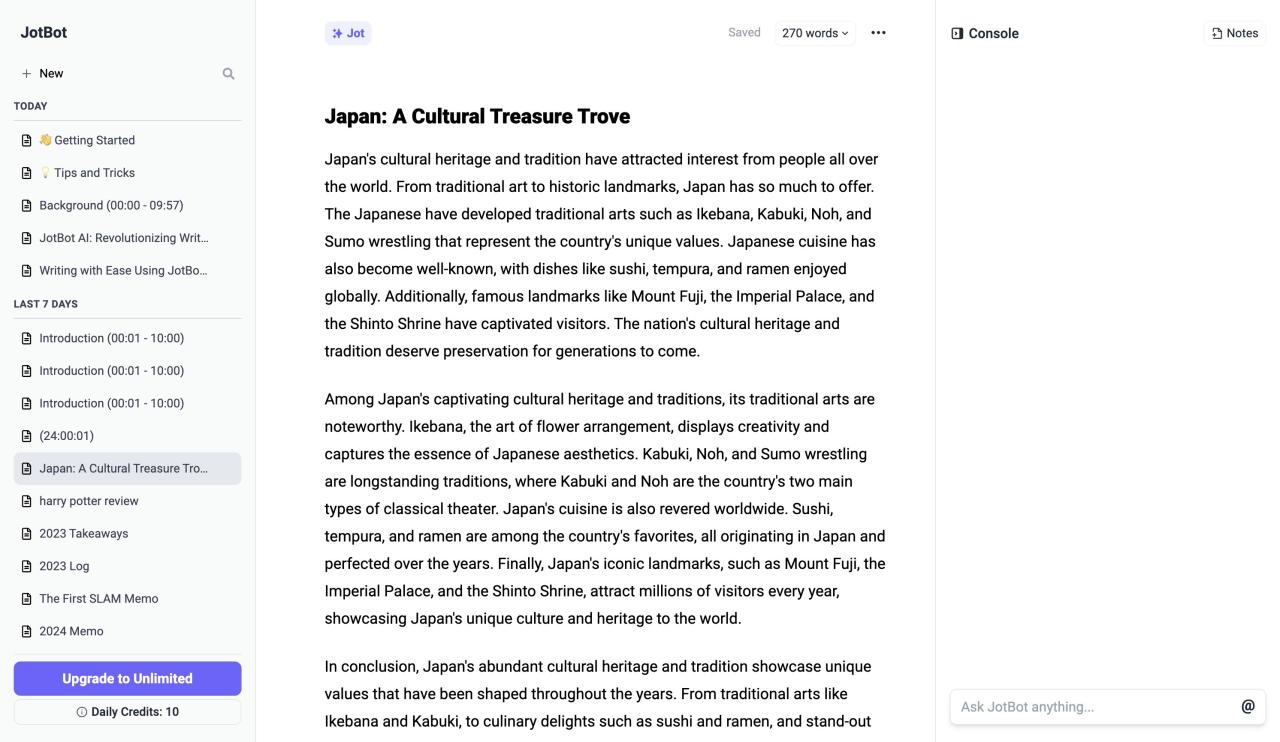
Visual representations play a crucial role in solidifying understanding and retention of complex study materials. Converting abstract concepts into visual formats allows for easier comprehension and facilitates memory recall. Effective visual aids can transform potentially overwhelming information into easily digestible and memorable patterns.Visual aids, when thoughtfully incorporated, can dramatically improve the learning process by stimulating different parts of the brain, thereby enhancing cognitive engagement and promoting deeper understanding.
This approach transcends simple memorization, fostering a more comprehensive grasp of the subject matter.
Creating Visual Representations of Study Materials
Visual representations of study materials can take many forms, each with its own strengths and weaknesses. Choosing the appropriate visual aid depends on the nature of the subject matter and the learning objectives.
- Charts are excellent for displaying data and relationships between variables. They present information in a concise and organized manner, facilitating quick comparisons and highlighting key trends. For instance, a bar chart can effectively illustrate the growth of a company’s revenue over time. A pie chart can effectively represent the breakdown of expenses in a budget.
- Diagrams offer a visual representation of complex processes or structures. They break down intricate systems into simpler components, showcasing the interactions and relationships within them. For example, a flow chart can Artikel the steps in a manufacturing process. A circuit diagram can represent the components and connections in an electrical circuit.
- Mind maps are powerful tools for organizing thoughts and ideas in a non-linear fashion. They visually represent connections between concepts, making it easy to identify patterns and relationships. A mind map on the topic of “The American Civil War” might link key battles, political figures, and social factors in a visually connected structure.
Utilizing AI for Visual Aid Generation
AI tools are becoming increasingly sophisticated in generating visual aids. These tools can transform text-based information into various visual formats.
- AI-powered tools can automatically generate charts, diagrams, and mind maps from textual descriptions. Users provide the input data, and the AI generates the corresponding visualization.
- These tools can also facilitate the creation of customized visual aids tailored to specific learning styles and preferences. By providing feedback and adjusting parameters, users can refine the visual representations until they are optimally informative and engaging.
- AI can be utilized to convert complex scientific equations or chemical structures into visually comprehensible diagrams. For instance, AI tools can transform complicated chemical formulas into clear and understandable structural diagrams. Similarly, complex mathematical formulas can be rendered as visually intuitive graphs.
Examples of Visually Appealing and Informative Study Materials
Effective visual aids go beyond simply presenting information; they enhance comprehension and engagement. Visual appeal and information density are crucial factors in creating effective study materials.
- Visual aids should be carefully designed to avoid overwhelming the viewer with excessive information. The key is clarity and conciseness, making sure the essential details are highlighted, while irrelevant details are omitted.
- An informative study material, for instance, on the “History of the Roman Empire,” could incorporate maps showcasing the expansion of the empire, timelines illustrating key events, and diagrams of Roman social structures.
- Another illustrative example is a visual aid on the “Water Cycle.” A diagram could show the various stages of the cycle (evaporation, condensation, precipitation), with clear labels and arrows indicating the flow of water. This type of visualization could significantly enhance understanding of this natural process.
Incorporating Images and Diagrams into Study Artikels
Integrating visual aids into study Artikels can significantly enhance comprehension and memorization.
| Visual Aid | Description | HTML Table Structure |
|---|---|---|
| Flowchart of the Scientific Method | A step-by-step visual representation of the process, from observation to conclusion. |
    <table>
    <tr>
        <th>Step</th>
        <th>Description</th>
        <th>Image</th>
    </tr>
    <tr>
        <td>1</td>
        <td>Observation</td>
        <td><img src="image1.jpg" alt="Image1" width="150" height="100"></td>
    </tr>
    <tr>
        <td>2</td>
        <td>Question</td>
        <td><img src="image2.jpg" alt="Image2" width="150" height="100"></td>
    </tr>
    </table>
|
Managing and Updating the Study Artikel
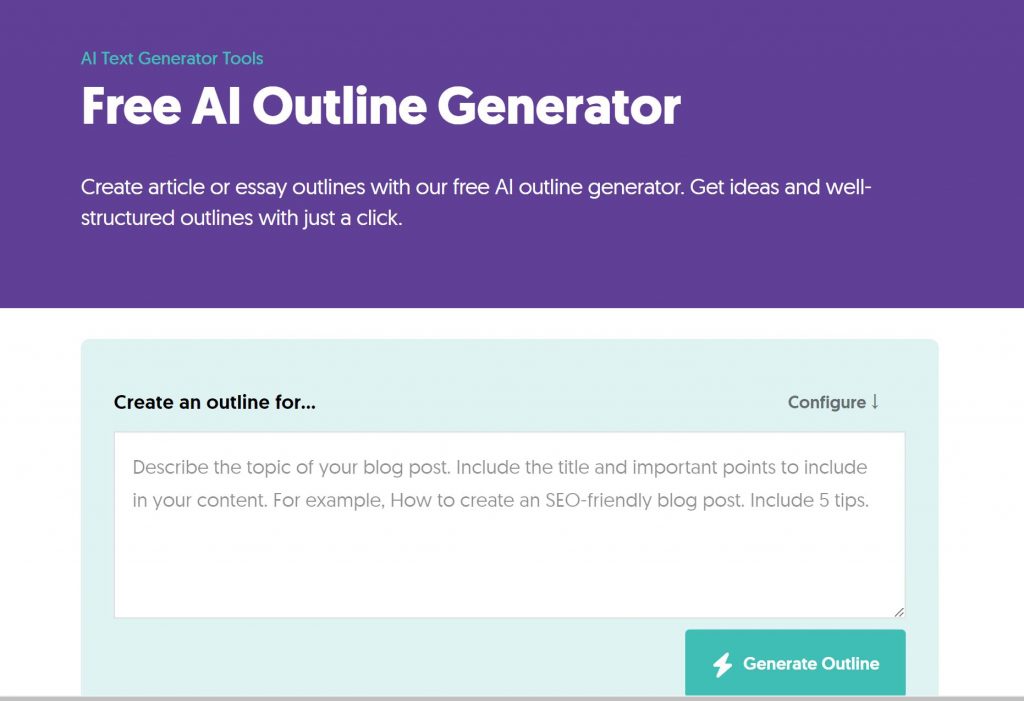
Maintaining a dynamic study Artikel is crucial for effective learning. A static Artikel can quickly become outdated as your understanding deepens and new information emerges. Adapting your Artikel allows you to efficiently incorporate new knowledge and refine your comprehension, ensuring a well-structured and progressively enriching learning journey.
Effectively managing and updating your study Artikel requires a proactive approach, allowing for flexibility and adjustments based on your learning progress. This iterative process will ensure your Artikel remains a valuable tool for understanding and retaining information.
Methods for Effective Management
Regular review and revision are essential to maintain a relevant and useful study Artikel. Keeping a dedicated document or digital space for your Artikel facilitates easy access and modification. Utilize features like version control, if possible, to track changes and revert to previous versions if needed. This systematic approach promotes a structured and adaptable learning process.
Tracking Progress and Adjusting the Artikel
Regularly assessing your understanding of the material is crucial. Periodic self-assessment quizzes, practice questions, or summaries of key concepts can gauge your progress. If certain sections require more attention, adjust the allocated time or dedicate extra resources to those areas. This proactive monitoring enables a tailored and efficient learning experience.
Adding or Removing Information
As you delve deeper into your subject, you might discover additional details or realize some aspects require less attention. Add new information to your Artikel in a clear and organized manner. If a topic proves less critical or you have a complete understanding, consider removing redundant sections or condensing related information. This dynamic process ensures your Artikel remains concise and focused on the most pertinent aspects of the study material.
Examples of Effective Updates
Suppose you’re studying the history of the Roman Empire. Initially, your Artikel might focus on key emperors and their reigns. As you progress, you discover the influence of Roman law on modern legal systems. You can add a new section on Roman legal codes to your Artikel, integrating this new understanding into your existing framework. Similarly, if you find that a specific historical event has less relevance to your current learning goals, you can concisely summarize or remove the section from your Artikel.
Sample Artikel Update and Modification
| Original Artikel Section | Revised Artikel Section | Reason for Change |
|---|---|---|
| Roman Emperors (Augustus to Nero) | Roman Emperors (Augustus to Nero) + Influence of Roman Law on Modern Legal Systems | Discovered the significance of Roman legal codes in modern law. |
| Details of the Battle of Actium | Summary of the Battle of Actium | Found the battle less critical to overall understanding. |
This table illustrates a simple example of how to update an Artikel. The process of modification involves identifying areas for improvement, adding new information, or streamlining existing sections to reflect your evolving understanding of the material.
Last Point
In conclusion, this guide has demonstrated the remarkable potential of AI in assisting with the creation of study Artikels. By following the steps Artikeld, you can generate personalized and effective study plans, tailor them to your learning style, and maximize your understanding. AI-powered outlining provides a dynamic and efficient method for mastering any subject.