AI-powered tools are rapidly transforming the landscape of academic writing. This comprehensive guide delves into the practical applications of AI for editing assignments, offering a practical approach to enhance quality and efficiency. From identifying grammatical errors to improving clarity and style, we’ll explore how AI can assist students and researchers in producing top-notch academic work.
The guide will explore various AI tools, demonstrating how they can be effectively employed in different stages of assignment creation. It will cover specific subject areas, offering customized strategies for optimal results. Moreover, ethical considerations and responsible use of AI in academic writing will be discussed, providing a holistic perspective on this rapidly evolving field.
Introduction to AI-Assisted Assignment Editing

AI tools are rapidly transforming the way students and educators approach assignment editing. These tools leverage sophisticated algorithms and natural language processing to provide comprehensive feedback and suggestions, improving the quality and clarity of written work. This can be particularly beneficial for students seeking assistance with grammar, style, and content organization.AI-powered editing tools can analyze assignments for a range of issues, from grammatical errors and punctuation mistakes to logical inconsistencies and overall clarity.
The tools often provide detailed explanations for their suggestions, helping users understand the reasoning behind the edits and learn from their mistakes. This personalized feedback is crucial for effective learning and improvement.
Types of AI Tools for Assignment Editing
Various AI tools cater to different needs and preferences for assignment editing. These range from basic grammar and spell-checkers to more advanced tools offering comprehensive feedback on structure, style, and content.
- Grammar and style checkers: These tools primarily focus on identifying and correcting grammatical errors, punctuation mistakes, and stylistic inconsistencies. They are often integrated into word processing software or available as standalone applications. Examples include Grammarly and ProWritingAid.
- Content improvement tools: These tools go beyond basic grammar and style, offering feedback on the overall structure, clarity, and flow of the assignment. They can analyze the content for logical inconsistencies, identify areas for improvement in argumentation, and suggest ways to enhance the overall impact of the writing.
- Plagiarism detection tools: AI tools can be utilized to identify instances of plagiarism by comparing the submitted work to a vast database of existing text. This helps ensure originality and academic integrity. Tools like Turnitin leverage AI for plagiarism detection.
- Summarization and paraphrasing tools: These tools can summarize lengthy texts or rephrase sentences and paragraphs, helping students condense information or express ideas in different ways. They can be helpful in refining arguments and strengthening the overall writing.
Potential Benefits of AI-Assisted Editing
Utilizing AI tools for assignment editing offers a range of benefits for both students and educators.
- Improved writing quality: AI tools can identify and correct errors, leading to more polished and professional-looking assignments. Students gain a more structured approach to refining their work.
- Enhanced understanding of writing conventions: The detailed feedback from AI tools helps students understand and apply proper grammar, punctuation, and stylistic conventions. This improves their writing competence over time.
- Time efficiency: AI tools can automate many aspects of the editing process, freeing up time for students to focus on other academic tasks. They can streamline the editing process, reducing the time spent on proofreading.
- Personalized feedback: AI tools can provide personalized feedback tailored to individual needs and writing styles. This offers a tailored approach to learning and growth.
Comparison of AI Tools for Assignment Editing
The following table provides a comparative overview of different AI tools for assignment editing, highlighting their features and pricing models.
| Tool Name | Features | Pricing |
|---|---|---|
| Grammarly | Grammar, style, punctuation, plagiarism detection, tone adjustment. Offers a free version with limited features and a paid version with advanced capabilities. | Free (limited features) / Paid (various plans) |
| ProWritingAid | Grammar, style, clarity, tone, and flow analysis. Comprehensive feedback on content and structure. Offers a free trial and various paid subscription options. | Free trial / Paid (various plans) |
| Turnitin | Plagiarism detection, similarity reports, and feedback on originality. Primarily focused on academic integrity and originality. Generally used by educators and institutions. | Paid (institution-based pricing) |
| QuillBot | Summarization, paraphrasing, and rewording. Helpful for condensing information and presenting ideas in different ways. Offers a free trial and various paid subscription plans. | Free trial / Paid (various plans) |
Identifying and Correcting Grammatical Errors
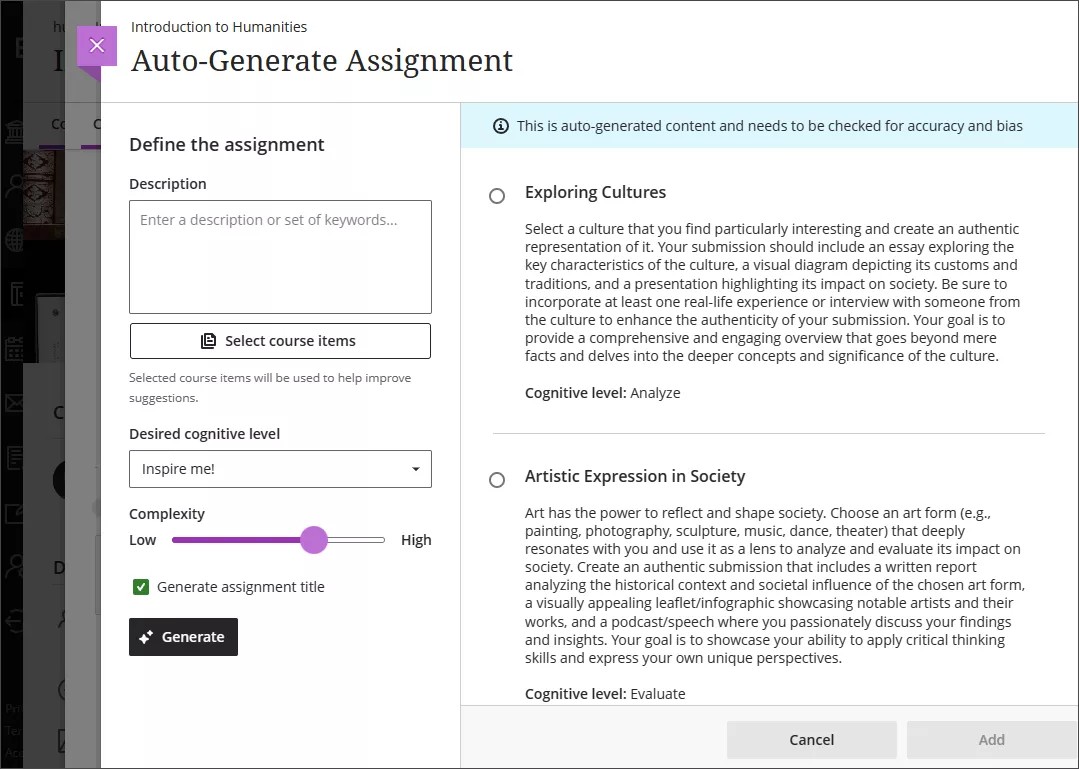
AI tools excel at identifying and correcting grammatical errors in student assignments, significantly improving writing quality. These tools leverage sophisticated algorithms to analyze text for common grammatical mistakes, providing valuable feedback to students. This process allows for focused revision and enhances the overall quality of written work.AI-powered tools are increasingly used to enhance the quality of student assignments.
The tools are adept at recognizing and correcting various grammatical errors, offering valuable feedback that assists students in refining their writing skills.
Common Grammatical Errors AI Can Detect
AI systems are trained on vast datasets of text and can recognize numerous grammatical errors, including subject-verb agreement issues, tense inconsistencies, pronoun errors, and improper word usage. These errors often result in unclear or confusing writing, hindering effective communication.
AI Models for Grammatical Error Detection
Various AI models, including machine learning algorithms like recurrent neural networks (RNNs) and transformer models, are employed in grammatical error detection. These models learn patterns in language from extensive datasets, enabling them to identify and correct a wide range of grammatical mistakes. RNNs excel at processing sequential data, while transformer models, such as BERT, are adept at understanding context and relationships between words.
Table of Grammatical Errors and AI Solutions
| Error Type | AI Correction | Example |
|---|---|---|
| Subject-Verb Agreement | AI identifies and corrects discrepancies between the subject and verb in a sentence. | Incorrect: The team is winning the game. Correct: The team are winning the game. |
| Tense Inconsistencies | AI identifies and corrects errors in the use of verb tenses. | Incorrect: I went to the store yesterday and buy some milk. Correct: I went to the store yesterday and bought some milk. |
| Pronoun Errors | AI identifies and corrects errors in the use of pronouns, ensuring proper agreement and clarity. | Incorrect: She went to the park and saw her friend. Correct: She went to the park and saw her friend. |
| Incorrect Word Usage | AI identifies and suggests appropriate replacements for misused words. | Incorrect: The student wrote a good report. Correct: The student wrote an excellent report. |
| Comma Splices | AI identifies and corrects comma splices, ensuring proper sentence structure. | Incorrect: The dog barked loudly, the cat ran away. Correct: The dog barked loudly; the cat ran away. |
Improving Clarity and Style
Beyond grammatical accuracy, AI tools can significantly enhance the clarity and style of written assignments. This involves refining the overall presentation, ensuring the writing flows smoothly, and making it more engaging for the reader. AI’s ability to identify and suggest improvements in style and tone, including vocabulary choices and sentence structure, elevates the quality of the final product.AI-powered tools analyze the text’s structure, flow, and vocabulary to suggest modifications for improved clarity and style.
These enhancements contribute to a more impactful and well-received assignment.
AI Methods for Enhancing Writing Style
AI employs various methods to refine writing style. These include analyzing sentence structure, identifying overly complex sentences, and suggesting alternative phrasing to achieve greater clarity. Furthermore, AI tools can assess the tone of the writing and recommend adjustments to align with the desired style. This careful consideration of style ensures the writing aligns with the academic context and expected standards.
Techniques for Readability and Engagement
AI tools utilize several techniques to improve the readability and engagement of assignments. These techniques include suggestions for active voice usage, the application of concise language, and the selection of appropriate vocabulary. By implementing these techniques, the AI helps create a more impactful and engaging piece of writing.
Table of Writing Styles and AI Suggestions
| Style | AI Suggestions | Example |
|---|---|---|
| Formal Academic | Replace colloquialisms with formal equivalents, maintain objective tone, avoid contractions, use precise vocabulary. | Instead of: “It seems like…” AI suggests: “Preliminary analysis indicates…” |
| Persuasive Argumentative | Strengthen claims with evidence, use persuasive language (without being overly emotional), provide clear counterarguments and rebuttals. | Instead of: “This is a good idea.” AI suggests: “The proposed solution offers significant benefits in terms of cost-effectiveness and efficiency, as evidenced by…” |
| Informative Descriptive | Use vivid and descriptive language to convey information accurately and engagingly, maintain a neutral tone. | Instead of: “The city was big.” AI suggests: “The metropolis sprawled across the landscape, showcasing a vibrant tapestry of architectural styles and bustling activity.” |
| Creative Narrative | Employ evocative language, use sensory details, maintain a consistent voice and narrative perspective. | Instead of: “The cat sat.” AI suggests: “The ginger tabby, its fur a blaze of sunset hues, surveyed the room from atop the antique bookshelf, a glint of emerald eyes reflecting the soft lamplight.” |
Enhancing Argumentation and Logic

AI tools can significantly aid in refining the logical structure and strength of arguments presented in assignments. By analyzing the flow of reasoning and identifying potential weaknesses, AI can help students and researchers craft more persuasive and well-supported arguments. This process, facilitated by AI, allows for a more focused and effective presentation of ideas, ultimately contributing to a higher quality of academic work.
AI Analysis of Logical Flow
AI systems can analyze the logical flow of an assignment by identifying the relationships between different parts of the argument. This includes recognizing premises, conclusions, and the connections between them. Sophisticated algorithms can evaluate the strength of the connections, highlighting any gaps or inconsistencies in the reasoning process. Such analysis allows for a more critical evaluation of the argument’s structure, enabling students to strengthen their claims and support.
Strengthening Argument Development
AI can support the development of strong arguments by providing suggestions for supporting evidence, counterarguments, and alternative perspectives. AI can identify potential fallacies in reasoning and suggest ways to address them. For instance, if an argument relies on a weak premise, AI can suggest alternative premises or additional evidence to strengthen the argument. AI can also assist in generating potential counterarguments, which can be incorporated into the assignment to enhance the overall quality of the argumentation.
Comparison of Argument Types and AI Support
| Argument Type | AI Support | Example |
|---|---|---|
| Deductive Argument | AI can assess the validity of the argument by checking if the conclusion logically follows from the premises. It can identify errors in the structure of deductive reasoning, like invalid syllogisms. | Premise 1: All men are mortal. Premise 2: Socrates is a man. Conclusion: Socrates is mortal. AI can confirm the validity of this deductive argument. |
| Inductive Argument | AI can analyze the strength of the evidence presented in support of the conclusion. It can identify patterns and trends in the data, helping to evaluate the likelihood of the conclusion being true. | Premise: The sun has risen every day for billions of years. Conclusion: The sun will likely rise tomorrow. AI can assess the strength of the inductive argument based on the historical data. |
| Abductive Argument | AI can evaluate the plausibility of the explanation offered. It can compare the proposed explanation to other possible explanations and identify the most probable one given the evidence. | Observation: The grass is wet. Possible explanations: It rained, or someone watered the lawn. AI can assess the likelihood of each explanation based on contextual information, like the weather forecast or recent watering schedules. |
| Analogical Argument | AI can identify similarities and differences between the cases being compared. It can evaluate the strength of the analogy based on the degree of similarity. | Premise: Apples and oranges are both fruits. Apples are good for health. Conclusion: Oranges are probably good for health. AI can analyze the degree of similarity between apples and oranges to assess the strength of the argument. |
Managing Sources and Citations
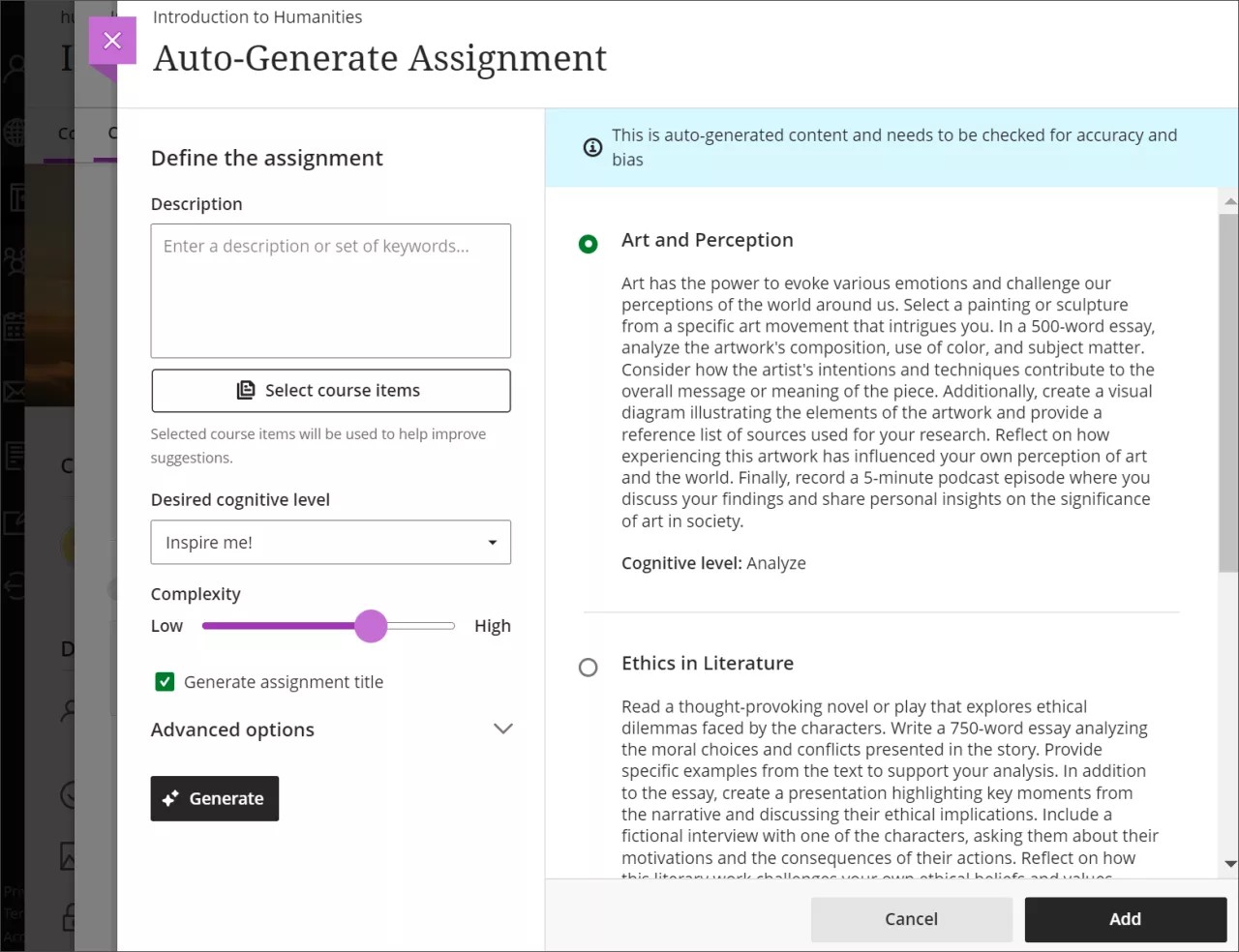
Effective academic writing hinges on accurately and ethically referencing sources. AI tools offer powerful assistance in this crucial aspect, streamlining the citation process and mitigating the risk of plagiarism. This section explores how AI can help manage citations and sources, from generating citations to detecting plagiarism.AI tools excel at automating the often-laborious task of formatting citations according to various styles (MLA, APA, Chicago, etc.).
This automation frees writers to focus on the substance of their work rather than the technicalities of citation formatting. Furthermore, these tools enhance accuracy and consistency in referencing, preventing errors that can detract from the overall quality of the assignment.
AI-Assisted Citation Generation
AI-powered citation generators automatically create citations from various sources. These tools are trained on vast databases of academic papers, books, and websites, enabling them to accurately extract and format information for a variety of citation styles. This automation significantly reduces the time spent on manual citation creation, allowing students and researchers to focus on the content of their work.
Different AI Tools for Generating Citations and Bibliographies
Numerous AI tools are available to assist with generating citations and bibliographies. These tools often integrate with word processors, making the citation process seamless. Examples include citation generators integrated into writing platforms like Grammarly, or dedicated AI citation management tools.
Examples of AI-Powered Citation Management Tools
Several AI-powered citation management tools offer a comprehensive approach to managing citations. Examples include tools from Citation Machine, Zotero, and Mendeley, each providing features like citation generation, bibliography creation, and even source management. These tools often offer compatibility with various citation styles, further enhancing their utility.
AI-Powered Plagiarism Detection
AI plays a crucial role in detecting plagiarism. Sophisticated algorithms can analyze text for similarities to existing works, flagging potential instances of plagiarism. These tools compare submitted work against vast databases of published material and identify overlapping text patterns. This feature can help writers avoid unintentional plagiarism and maintain academic integrity.
Comparison of Citation Management Tools
| Tool Name | Features | Ease of Use |
|---|---|---|
| Citation Machine | Generates citations in various styles (MLA, APA, Chicago), creates bibliographies, and offers a user-friendly interface. | High. Intuitive interface makes it easy to input source information and generate citations. |
| Zotero | A robust citation management tool with features for collecting, organizing, and managing sources. Includes options for note-taking, annotating, and generating citations in various styles. | Medium. Requires some initial setup to organize sources, but offers more advanced functionalities. |
| Mendeley | Provides a comprehensive platform for managing research papers and citations. Offers features for collaboration, creating bibliographies, and incorporating citations directly into documents. | High. A user-friendly interface allows for easy source organization and citation generation. |
Structuring and Organizing Assignments
AI tools can significantly aid in the process of structuring and organizing assignments, transforming the often daunting task into a more manageable and efficient one. By leveraging the power of AI, students and researchers can streamline the organization of their thoughts, ideas, and research materials, leading to more coherent and well-structured assignments.AI’s ability to analyze and interpret text enables it to identify patterns, relationships, and logical flows within an assignment’s content, thereby facilitating a more organized presentation of ideas.
This assists in structuring arguments, organizing supporting evidence, and constructing well-defined sections, ultimately contributing to a higher quality final product.
AI Methods for Organizing Ideas
AI employs various methods to help organize ideas and content. These methods include natural language processing (NLP) techniques to identify relationships between concepts, sentiment analysis to understand the emotional tone of the text, and topic modeling to group similar ideas together. Sophisticated algorithms can analyze text to identify key arguments, supporting evidence, and logical connections, facilitating the construction of a well-structured argument.
AI Tools for Creating Artikels and Summaries
Numerous AI tools are available to support the creation of Artikels and summaries. These tools can analyze text, identify key points, and suggest appropriate structures. For example, some tools can generate detailed Artikels from a given text, separating arguments into clear categories and subcategories. Other AI tools can create concise summaries of complex articles or books, extracting the most important information for quick comprehension and reference.
Examples of AI-Assisted Structuring
One example of AI-assisted structuring involves using an AI tool to create an Artikel for a research paper. The tool analyzes the input text, identifies key arguments, and suggests a logical order for presenting these arguments. Another example is using an AI tool to summarize a chapter of a book. The tool analyzes the chapter’s content, identifies the main points, and generates a concise summary that captures the essence of the chapter.
Table: AI Support for Different Assignment Types
| Assignment Type | AI Structure | Example |
|---|---|---|
| Research Paper | AI can create a detailed Artikel, identify key arguments, and suggest a logical flow of ideas. | Inputting research paper topic and existing research; AI generates an Artikel with suggested subheadings and supporting arguments. |
| Essay | AI can help identify the main points, suggest supporting evidence, and structure paragraphs logically. | Inputting essay topic and supporting points; AI generates an Artikel that organizes ideas and suggests appropriate transitions between paragraphs. |
| Report | AI can organize findings, suggest headings and subheadings based on the data presented, and help structure sections logically. | Inputting research data; AI creates a report Artikel by identifying patterns in the data and suggesting appropriate headings. |
| Presentation | AI can help structure presentation content by identifying key points and suggesting appropriate visual aids. | Inputting presentation topic; AI suggests potential visuals and a structured Artikel for presentation slides. |
Addressing Specific Subject Areas
AI tools can significantly enhance academic writing by adapting to the nuances of different subject areas. This tailored approach allows for a more precise and effective analysis, ensuring that the AI’s suggestions align with the specific requirements and conventions of each discipline. This personalized approach is particularly valuable in complex fields where precise language and accurate citations are paramount.By recognizing the unique demands of various disciplines, AI can produce outputs that are not only grammatically correct but also contextually appropriate.
This targeted assistance is crucial for students to achieve high-quality work that demonstrates a strong grasp of the subject matter.
Tailoring AI for Diverse Subject Areas
Different academic disciplines demand distinct writing styles and methodologies. History requires a meticulous approach to sourcing and contextualization, while scientific writing prioritizes accuracy and precise terminology. Literature necessitates a nuanced understanding of literary devices and critical analysis. AI can be fine-tuned to address these diverse needs.
Examples of AI Application in Specific Disciplines
AI tools can be invaluable for students across various disciplines. In history, AI can help students analyze primary sources, identify potential biases, and construct well-supported arguments. In science, AI can assist with crafting clear and concise lab reports, generating accurate figures, and ensuring adherence to scientific conventions. In literature, AI can help with identifying literary devices, analyzing character development, and evaluating different interpretations.
AI Tools Designed for Specific Subject Areas
Numerous AI tools are specifically designed to support students in various subject areas. Some platforms are dedicated to historical research, offering tools for primary source analysis and citation management. Other tools specialize in scientific writing, providing assistance with experimental design, data visualization, and report generation. Specific literature analysis platforms aid in identifying literary devices, analyzing themes, and evaluating different interpretations.
Table: Subject Area and AI Application
| Subject Area | AI Application | Example |
|---|---|---|
| History | Primary source analysis, bias detection, citation management | Analyzing historical documents for biases and constructing a well-supported argument using AI tools. |
| Science | Lab report generation, experimental design, data visualization, scientific terminology assistance | Using AI to create accurate lab reports, design experiments, and generate graphs. |
| Literature | Literary device identification, character analysis, thematic analysis, interpretation evaluation | Using AI to identify literary devices in a text, analyze character motivations, and evaluate different interpretations. |
| Economics | Data analysis, forecasting, economic modeling | Using AI to analyze economic data, predict trends, and construct models. |
| Political Science | Policy analysis, argument construction, data interpretation | Using AI to evaluate policy proposals, structure arguments, and interpret political data. |
Considerations for Ethical Use of AI in Editing
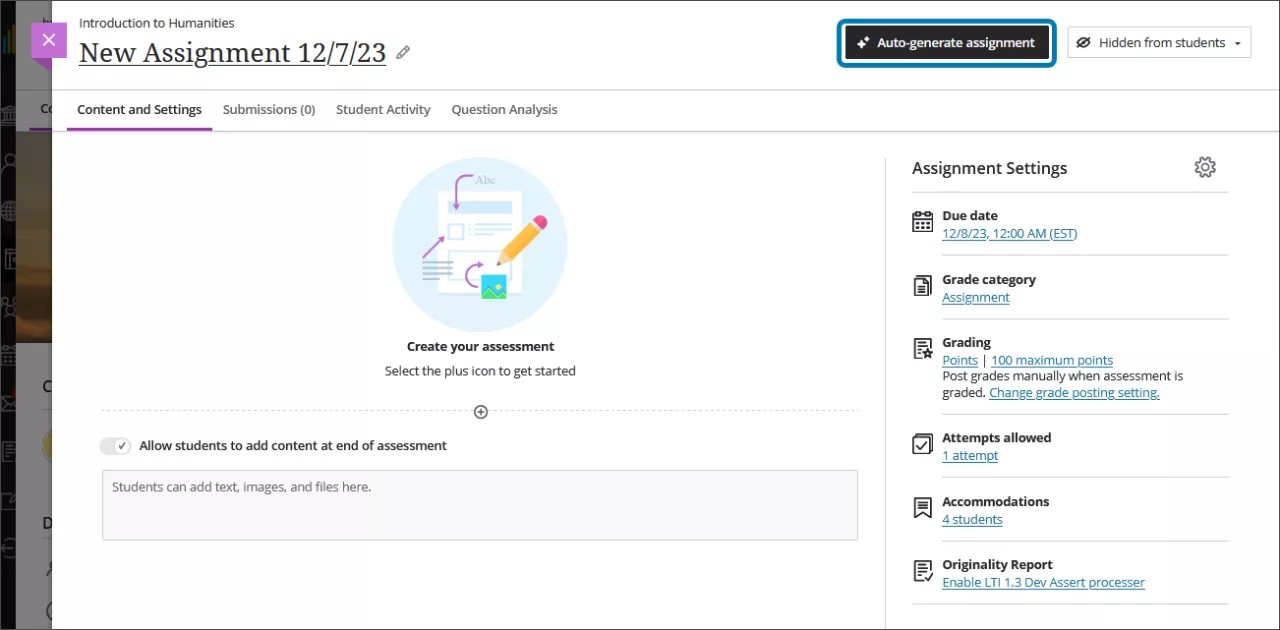
AI tools offer valuable assistance in refining academic assignments, but their ethical application demands careful consideration. Using AI responsibly necessitates understanding the potential pitfalls and proactively mitigating them. This section delves into the ethical implications of using AI for assignment editing, highlighting the importance of human oversight and responsible practices.AI models are trained on vast datasets, which can inadvertently reflect societal biases.
These biases, if not addressed, can perpetuate inequalities and affect the quality of the edited assignments. It is crucial to acknowledge that AI tools are not infallible and human judgment is essential to ensure fair and equitable outcomes.
Potential Biases in AI Models
AI models, while powerful, can inherit and amplify biases present in the data they are trained on. These biases can manifest in several ways, influencing the editing of assignments. For example, a model trained predominantly on texts from one particular demographic group might inadvertently favor that style over others. This could result in stylistic preferences that inadvertently marginalize other perspectives or voices.
Recognizing and mitigating these biases requires careful scrutiny of the training data and ongoing evaluation of the model’s output.
Importance of Human Oversight in the Editing Process
While AI can efficiently identify grammatical errors and stylistic inconsistencies, human oversight remains indispensable. AI-generated edits should always be reviewed and validated by a human editor. A human editor can evaluate the appropriateness of the edits in the context of the assignment, ensuring the edited work aligns with the intended message and the academic standards of the subject.
This crucial step ensures that AI tools are used as supplementary aids, not as substitutes for human judgment.
Considerations for Responsible AI Use in Academic Writing
Responsible use of AI in academic writing necessitates a multi-faceted approach. The following list Artikels key considerations for ethical application:
- Data Diversity and Bias Mitigation: AI models should be trained on diverse datasets to minimize the risk of perpetuating biases. Regular evaluation of the model’s output for potential biases is critical and should be integrated into the AI editing process.
- Transparency and Explainability: The workings of the AI model should be transparent to ensure understanding of how edits are generated. Providing clear explanations of the reasoning behind edits allows for better human oversight and empowers users to make informed decisions about the output.
- Human-in-the-Loop Approach: Human editors should review and validate AI-generated edits to ensure accuracy, appropriateness, and alignment with the intended message. This human review is crucial for maintaining academic integrity and quality control.
- Academic Integrity and Originality: Students should use AI tools responsibly, acknowledging their use in the assignment. Plagiarism detection tools should be used to ensure that AI-generated text does not constitute plagiarism.
- Ethical Use in Different Disciplines: Different academic disciplines may have specific ethical considerations regarding AI use. Researchers should consult with subject matter experts and university guidelines to ensure appropriate application of AI tools.
Conclusive Thoughts
In conclusion, this guide has illuminated the multifaceted role of AI in assignment editing. We’ve examined the diverse ways AI can assist in enhancing clarity, style, argumentation, and structure. By understanding the potential of these tools and addressing ethical considerations, students and researchers can leverage AI to significantly improve their academic work. The exploration of AI-assisted editing provides a powerful framework for producing well-structured, well-written, and compelling assignments.