Unlock the power of artificial intelligence to create engaging and effective quizzes. This guide explores the fascinating world of AI-powered quiz creation, from choosing the right tools to designing impactful questions and integrating them seamlessly into your learning platforms. Discover how AI can streamline the quiz-making process, personalize learning experiences, and optimize assessment.
AI quiz tools offer a range of features and benefits, compared to traditional methods, including automation, customization, and the ability to generate diverse question formats. This comprehensive guide covers everything from the foundational principles of AI-powered quiz creation to advanced strategies for optimizing your quizzes and addressing potential challenges.
Introduction to AI-Powered Quizzes
Artificial intelligence (AI) is rapidly transforming various aspects of education and knowledge assessment, including quiz creation. AI-powered tools leverage sophisticated algorithms to generate quizzes tailored to specific learning objectives and content. These tools automate the process of question design, ensuring a wide range of question formats and difficulty levels. This efficiency and adaptability are significant improvements over traditional quiz creation methods.AI tools for quiz creation are particularly valuable due to their ability to generate a vast quantity of questions and answer options in a fraction of the time it would take a human.
This capability allows educators and trainers to create more comprehensive assessments and deliver them more effectively. Moreover, AI can dynamically adjust quiz difficulty based on learner performance, creating a more personalized learning experience.
AI-Powered Quiz Generation
AI algorithms analyze the input content, be it a text document, a presentation, or a specific subject matter, to identify key concepts and formulate relevant quiz questions. These algorithms are trained on massive datasets of existing quizzes and questions, enabling them to recognize patterns and generate questions in various formats. This process helps ensure a wide range of question types and difficulty levels.
Benefits of AI-Powered Quiz Creation
Traditional quiz creation often relies on human effort, leading to time constraints and potential biases. AI-powered tools overcome these limitations by generating quizzes quickly and efficiently. Furthermore, AI can ensure a balanced distribution of question types, including multiple-choice, true/false, fill-in-the-blank, and short answer questions, while dynamically adjusting the difficulty level. This ensures a more comprehensive and accurate assessment of learner knowledge.
Types of AI-Powered Quizzes
AI tools can generate quizzes for various subjects and learning objectives. These tools can be used to create practice quizzes, diagnostic assessments, or formative evaluations. For example, quizzes covering specific topics in history, mathematics, or science can be easily created using AI. Furthermore, AI can adapt to different learning styles, offering personalized quiz experiences that suit individual needs.
AI Models in Quiz Creation
Several AI models are employed in quiz creation. Natural Language Processing (NLP) models are crucial for understanding and interpreting the input content. Machine learning (ML) models, particularly those trained on large datasets of questions and answers, are vital for generating new questions and adapting to different learning styles. Deep learning models can analyze complex patterns and relationships in data to generate even more sophisticated and varied questions.
Example Quiz Formats
Quizzes generated using AI can encompass various question types, each designed to test different levels of understanding. Multiple-choice questions assess basic knowledge, while short-answer questions probe more complex concepts. Fill-in-the-blank questions are suitable for assessing vocabulary and comprehension. True/false questions can be used for factual recall and understanding of concepts. AI-powered tools can dynamically adjust question difficulty and provide instant feedback, making the learning experience more engaging and efficient.
Choosing the Right AI Quiz Tool
Selecting the optimal AI quiz tool is crucial for achieving desired outcomes. Careful consideration of features, platform comparisons, cost, and user interface is essential to ensure the chosen tool aligns with project requirements and user experience. A well-suited tool can streamline the quiz creation process, enhance engagement, and yield valuable insights.
Key Features to Look For
Understanding the essential features of an AI quiz tool is paramount to making an informed decision. These features directly impact the quality and effectiveness of the quiz, as well as the overall user experience. Essential features encompass not only the quiz creation process but also the data analysis and reporting capabilities.
- Question Types and Customization: The tool should offer a variety of question types, including multiple choice, true/false, short answer, and potentially more complex question formats. Customization options for question wording, images, and multimedia integration are critical to engaging the audience and catering to specific learning objectives.
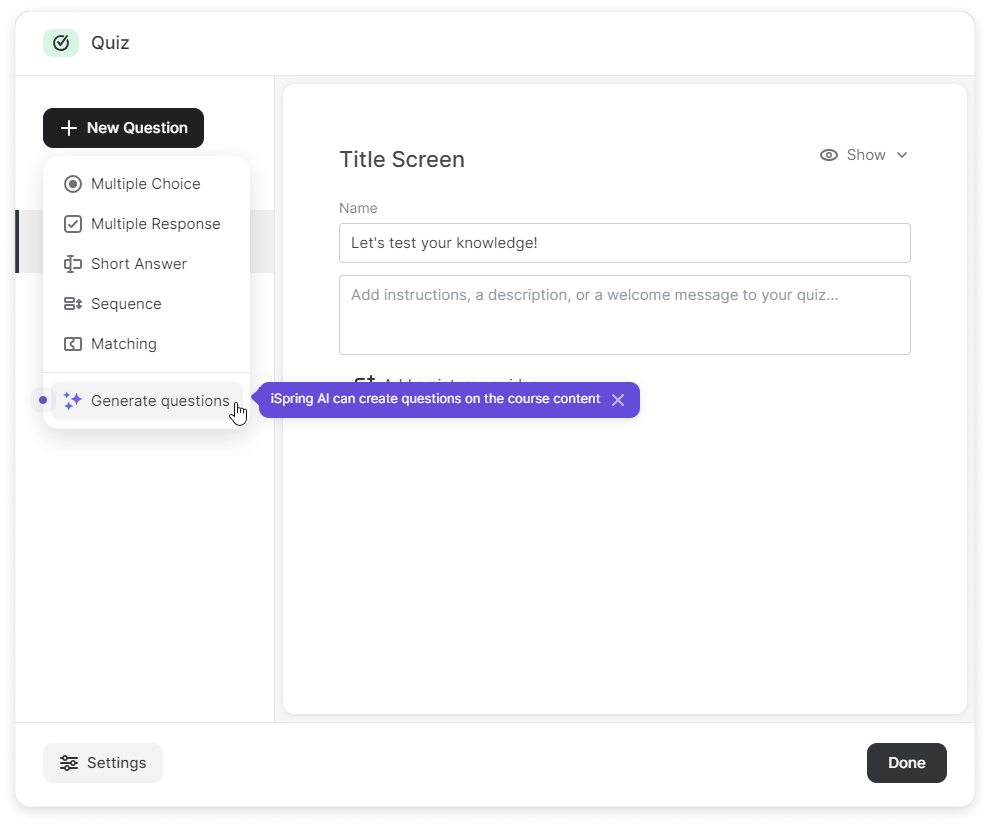
- AI-Powered Question Generation: The ability to generate questions automatically based on input data, such as text or data sets, is a significant advantage. The quality and relevance of the generated questions are crucial considerations.
- Data Analysis and Reporting: Comprehensive analytics on user performance are vital for assessing the effectiveness of the quiz. The tool should offer detailed reports on individual question performance, overall test scores, and potentially identify areas where users are struggling.
- Integration Capabilities: Seamless integration with existing learning management systems (LMS) and other educational platforms is often a requirement. The ability to import and export data in various formats is a further valuable feature.
- Security and Data Privacy: Protecting user data is paramount. The tool should adhere to relevant privacy regulations and employ secure data storage and transfer methods.
Comparison of AI Quiz Platforms
Evaluating different AI quiz platforms is a critical step in the selection process. This comparison should consider factors like pricing, ease of use, and specific features that align with project needs.
| Platform | Key Features | Cost | User Interface |
|---|---|---|---|
| QuizPlatform A | Wide variety of question types, strong AI question generation, robust analytics, good LMS integration. | Variable pricing based on usage and features. | Intuitive design, well-organized interface, user-friendly navigation. |
| QuizPlatform B | Focus on interactive elements, gamification features, strong data analysis tools. | Subscription-based pricing, tiered plans available. | Modern and visually appealing interface, potentially more complex navigation. |
| QuizPlatform C | Simple and straightforward interface, ideal for quick setup, basic analytics. | Affordable pricing, flat fee or per-user options. | Simple and user-friendly design, good for those new to AI tools. |
Cost Considerations
Pricing models for AI quiz tools vary considerably. Understanding the cost structure is essential for budget planning and resource allocation. Consider not just the initial cost, but also potential ongoing fees for usage, support, or additional features.
- Subscription Models: Many platforms use subscription-based models, offering tiered plans with increasing feature sets and user limits.
- Per-User Pricing: Some platforms charge per user, which can be advantageous for smaller organizations.
- One-Time Fee: Some platforms might offer a one-time fee for a set number of quizzes or a specific feature set.
User Interface Considerations
The user interface (UI) of an AI quiz platform significantly impacts the user experience and overall efficiency of the creation process. A user-friendly interface streamlines tasks, reduces errors, and enhances user satisfaction.
- Ease of Navigation: A well-designed interface should be intuitive and easy to navigate, enabling quick access to essential features and functionalities.
- Visual Appeal: A visually appealing interface can improve engagement and user satisfaction, contributing to a positive learning experience.
- Customization Options: Customization options within the UI allow users to tailor the platform to their specific needs and preferences, enhancing the tool’s usability.
Designing Effective Quiz Questions with AI
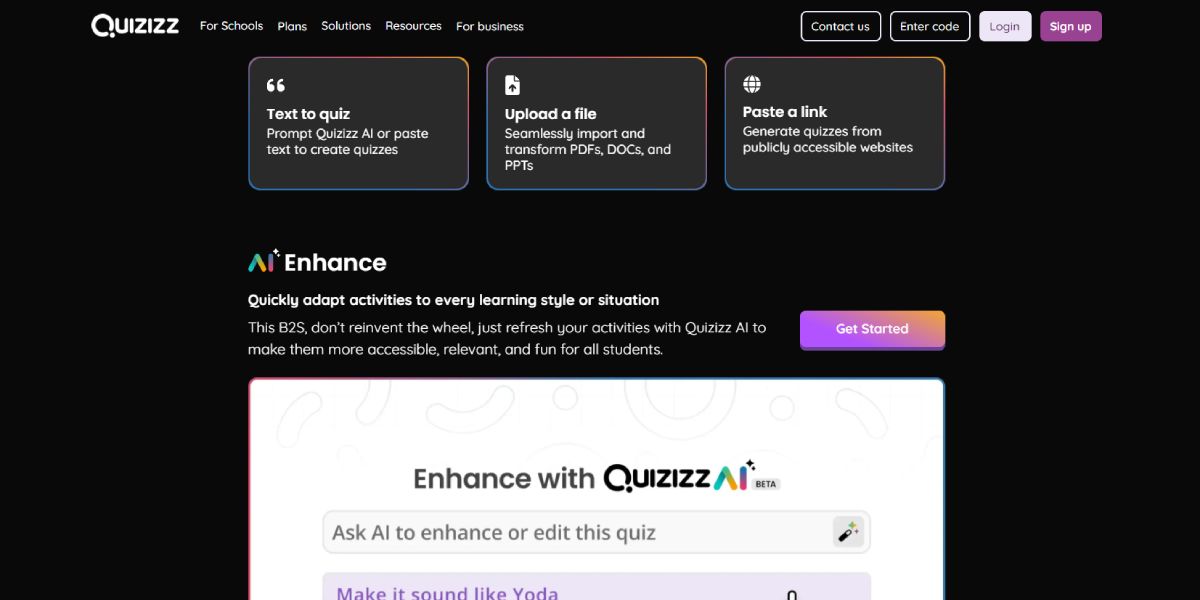
AI tools can significantly enhance the design of quiz questions, streamlining the process and creating more engaging learning experiences. By leveraging AI’s capabilities, educators and quiz creators can generate diverse question formats, tailor questions to specific learning objectives, and optimize question difficulty for optimal learning outcomes. This approach ensures a more efficient and effective assessment process.AI empowers the creation of a wide range of question types, moving beyond the limitations of traditional multiple-choice formats.
This versatility enhances learner engagement and allows for a more comprehensive evaluation of understanding.
Generating Diverse Question Formats
AI algorithms can craft a variety of question formats, including multiple-choice, true/false, fill-in-the-blank, short answer, and even essay-style questions. This capability is crucial for creating assessments that effectively measure different cognitive skills. AI can dynamically generate questions tailored to the specific needs of a quiz, ensuring that the assessment effectively measures the desired learning outcomes.
Creating Questions Tailored to Learning Objectives
AI can be a powerful tool in aligning quiz questions with specific learning objectives. By understanding the learning objectives, AI can generate questions that directly assess the knowledge, skills, and understanding desired. This targeted approach ensures that the quiz accurately reflects the learning outcomes, maximizing its effectiveness as a tool for evaluation and improvement. For example, if the learning objective is to identify key historical figures, the AI can generate questions focused on recognizing their roles and contributions.
Optimizing Quiz Question Difficulty
AI algorithms can analyze the difficulty of quiz questions based on factors like complexity, vocabulary, and the context of the material. This allows for the creation of a balanced quiz that progressively challenges learners, ensuring a challenging but achievable experience. AI can also identify questions that are too difficult or too easy, allowing for adjustments to ensure the optimal difficulty level for the intended audience.
By using data analysis, the AI can identify the most effective and engaging way to present questions, leading to improved learning outcomes.
Creating Engaging and Interactive Questions
AI-powered tools can transform quiz questions into more interactive experiences. For example, AI can incorporate multimedia elements, such as images, videos, or audio clips, to make questions more engaging. This approach enhances comprehension and retention of the material. Interactive simulations and scenarios can also be integrated into the quiz questions, creating a more immersive and interactive learning environment.
This approach can transform the traditional quiz experience into a dynamic and enriching learning activity.
Creating Question Banks with AI Tools
Building a robust question bank is crucial for effective learning assessments. AI tools streamline this process, enabling educators to create comprehensive and diverse question sets aligned with course objectives. This section details a structured approach to leveraging AI for efficient question bank development.AI tools offer significant advantages in creating and managing question banks. These tools automate tasks, such as generating diverse question formats, and can adapt to specific learning objectives.
Importantly, AI can aid in maintaining the quality and consistency of the entire question bank.
Designing a Structured Process
A well-defined process ensures a comprehensive and organized question bank. Start by outlining the learning objectives for each section of the course material. Next, identify the key concepts and topics that need to be covered in the questions. This preliminary work will be instrumental in structuring the question bank logically. Following this, develop a template for various question types, such as multiple choice, true/false, short answer, and essay questions.
Consider incorporating multimedia elements, like images or videos, into some questions to enhance engagement and understanding.
Importing and Exporting Question Data
AI tools often support various formats for importing and exporting question data. Common formats include CSV (Comma Separated Values), XML (Extensible Markup Language), and JSON (JavaScript Object Notation). Importing data from existing question banks or other resources is often facilitated by these tools. Exporting allows for easy sharing and collaboration with other educators. Familiarize yourself with the specific import/export features of the chosen AI tool to ensure efficient data transfer.
Organizing the Question Bank
A well-organized question bank is essential for efficient searching and retrieval. Create categories that mirror the course structure. For example, if your course has modules on physics, chemistry, and biology, organize questions into corresponding folders. This logical organization will improve search functionality. Furthermore, implement tags or s to facilitate searching and filtering questions based on specific concepts, topics, or difficulty levels.
This granular organization allows for easy access and modification of the question bank.
Methods for Organizing and Categorizing Questions
Efficient organization and categorization of questions significantly improves question bank usability.
A structured approach is recommended. Consider these methods:
- Categorization by Topic: Group questions based on the specific topic they address. This ensures that each topic is adequately covered in the question bank.
- Categorization by Difficulty: Classify questions into different difficulty levels (e.g., easy, medium, hard) to tailor assessments to diverse learners.
- Categorization by Question Type: Organize questions by their format (e.g., multiple choice, short answer, essay). This allows for efficient selection of questions based on the desired format.
- Tagging: Assign relevant s to each question. This facilitates searching and filtering, enabling educators to locate specific questions quickly and easily.
Utilizing AI for Quiz Customization
AI tools offer powerful capabilities for tailoring quiz experiences to individual learners, enhancing engagement and improving learning outcomes. This personalization goes beyond simply adjusting the difficulty level; it encompasses adapting the quiz content itself based on learner preferences and performance. By leveraging AI, educators and creators can develop quizzes that provide a truly customized learning journey.
Personalizing Quiz Content for Different Learners
AI can analyze learner profiles, identifying their strengths, weaknesses, and learning styles. This analysis enables the creation of quizzes that cater specifically to individual needs. For example, a quiz on historical events might present different timelines or focus on different regions for learners demonstrating varying interests. This personalized approach ensures that the quiz content remains relevant and engaging for each individual.
Tailoring Quiz Difficulty Based on Individual Performance
Adaptive quizzes dynamically adjust the difficulty based on a learner’s responses. If a learner consistently answers questions correctly, the difficulty increases to challenge their understanding. Conversely, if a learner struggles with certain concepts, the quiz adjusts to provide more support and practice. This iterative process helps learners focus on areas requiring further attention while avoiding frustration from excessively challenging questions.
Creating Adaptive Quizzes That Adjust to User Responses
AI-powered adaptive quizzes use algorithms to track user responses and modify the subsequent questions. This iterative process ensures that the quiz stays appropriately challenging. For instance, a user demonstrating a strong understanding of a particular concept might be presented with more complex questions within that domain. Conversely, if a user struggles with a topic, the quiz might offer more introductory questions or explanations to guide them toward mastery.
This dynamic approach allows for a more effective learning experience.
Features for Different Question Types
- Multiple-Choice Questions: AI can generate multiple-choice questions with varied answer options, ensuring both accuracy and inclusivity. The AI can also incorporate different question styles, like “best answer” or “most likely” to encourage deeper understanding and critical thinking. For example, a question on the causes of the French Revolution might offer options focusing on economic factors, social inequality, or political unrest, allowing the learner to select the most appropriate and comprehensive answer.
- True/False Questions: AI can generate true/false questions with supporting justifications to enhance the learning experience. For example, a true/false question on the impact of the industrial revolution might provide additional information for each option, enabling the learner to grasp the nuances of the topic.
- Open-Ended Questions: AI can generate open-ended questions that encourage higher-order thinking and critical analysis. The AI can also analyze learner responses, providing feedback and suggestions for improvement. For example, an open-ended question on the role of technology in society might prompt learners to articulate their perspectives and provide reasoned arguments.
Integrating AI-Generated Quizzes into Learning Platforms
Integrating AI-generated quizzes into existing learning management systems (LMS) offers a streamlined and efficient approach to personalized learning experiences. This seamless integration allows instructors to leverage the power of AI to create dynamic, adaptable assessments that cater to individual learner needs. Furthermore, automated grading and comprehensive reporting features empower instructors to track progress and adapt their teaching strategies accordingly.AI-powered quizzes can significantly enhance the learning experience by offering immediate feedback, targeted practice, and a more flexible assessment approach.
This integration process involves several key steps and considerations, allowing for the effective deployment of AI-generated quizzes within the existing structure of learning platforms.
Integrating Quizzes into Existing LMS
The process of integration typically involves leveraging the APIs provided by the LMS and the AI quiz platform. This allows for direct communication and data exchange between the systems. The integration ensures that quiz creation, distribution, and grading are seamless, reducing administrative overhead for instructors. Proper API integration enables the efficient transfer of learner data, such as scores and progress, between the quiz platform and the LMS.
Distributing Quizzes to Learners
Several methods facilitate the distribution of AI-generated quizzes to learners within the LMS environment. These methods typically leverage the existing functionalities of the LMS, such as course modules or assignments. Direct integration with the learning platform ensures learners receive quizzes automatically within their designated course modules.
- Automated Assignment Delivery: AI-generated quizzes can be automatically assigned to learners within the LMS as part of a course module. This automated process reduces administrative burden and ensures consistent delivery to all enrolled learners.
- Targeted Delivery: Some LMS platforms allow for targeted delivery based on learner performance or specific learning objectives. This feature enables customized quiz assignments based on learner needs and progress.
- Notifications and Reminders: Integration can include notification systems within the LMS to inform learners about quiz availability and deadlines. This functionality ensures learners are aware of upcoming assessments and can manage their study schedules effectively.
Tracking Learner Progress and Performance
Tracking learner progress and performance is a crucial aspect of any learning platform. AI-powered quiz platforms often provide detailed reports that can be integrated into the LMS. These reports enable instructors to monitor individual and class-wide progress.
- Real-time Data Visualization: The LMS can display learner performance data in real-time through interactive dashboards or visualizations. These tools allow instructors to observe patterns and trends in learner progress.
- Detailed Performance Reports: Integration with the LMS facilitates the generation of detailed reports on individual learner performance. These reports can highlight strengths, weaknesses, and areas requiring further attention.
- Progress Tracking in the LMS: Learner progress can be directly tracked within the LMS, allowing for a comprehensive view of performance across multiple quizzes and assignments.
Reporting Quiz Results
Reporting quiz results within the LMS provides a structured way for instructors to understand learner performance and adapt their teaching strategies accordingly. The integrated reporting system ensures accurate and timely data.
- Automated Grading and Feedback: AI-powered quizzes can automatically grade responses and provide immediate feedback to learners. This automated process saves time for instructors and allows for more timely feedback cycles.
- Customizable Reports: The reporting system can generate various reports, including individual student performance, class-wide average scores, and detailed breakdowns of student responses. This customizable nature allows instructors to tailor reports to specific needs.
- Integration with LMS Gradebook: Quiz results can be automatically integrated into the LMS gradebook, simplifying record-keeping and providing a comprehensive view of learner performance within the platform.
Best Practices for AI-Powered Quiz Creation
Crafting engaging and effective AI-powered quizzes requires a thoughtful approach. This involves more than just inputting questions; it necessitates a strategy for quality, accuracy, and ongoing improvement. Following best practices ensures that the quizzes not only assess knowledge but also provide a valuable learning experience for the user.
Tips for Creating Effective and Engaging Quizzes
Implementing strategies for engaging quiz design is crucial for learner motivation and retention. These strategies should consider the learning objectives and target audience. Well-designed quizzes should be more than just a series of questions; they should be an interactive learning experience.
- Focus on clear learning objectives. Align quiz questions directly with the specific knowledge or skills you aim to assess. Vague or broad objectives lead to ambiguous quizzes.
- Maintain a consistent style and tone. This consistency creates a familiar and predictable experience for the user, enhancing engagement and reducing confusion.
- Prioritize clarity and conciseness in wording. Avoid jargon or overly complex language that could impede understanding. Use precise and unambiguous phrasing.
- Ensure a balance between difficulty levels. Include a range of questions to cater to different learning styles and levels of understanding. This variety enhances engagement and avoids overwhelming the user.
- Provide immediate and informative feedback. Explain the correct answers and highlight any common misconceptions to facilitate learning. This reinforces understanding and identifies areas needing further attention.
Strategies for Maintaining Quiz Quality and Accuracy
The accuracy and reliability of an AI-powered quiz are paramount. This requires meticulous attention to detail and a commitment to ongoing review.
- Implement a rigorous review process. Have multiple individuals review questions for clarity, accuracy, and bias. This ensures the quiz is fair and reliable for all users.
- Utilize diverse question types. Beyond multiple-choice, explore true/false, matching, short answer, and essay-style questions. This variety allows for more nuanced assessments.
- Employ AI tools for plagiarism detection and bias identification. This helps ensure originality and mitigate potential bias in the questions and answers.
- Maintain a separate question bank. This allows for easy management and updates to the questions. It also facilitates future use and reuse of the questions.
The Importance of Regular Updates and Revisions
Quizzes should not be static documents; they should evolve to reflect the latest information and learning trends.
- Regularly update question content to ensure relevance. This keeps the quiz current and reflects any advancements in knowledge or understanding.
- Schedule periodic revisions to maintain quality and accuracy. This involves reviewing the existing questions, ensuring they remain relevant and unbiased. This ongoing evaluation is vital for the long-term effectiveness of the quiz.
- Gather feedback from users. Collect data on user performance and identify areas for improvement in question design or structure. Analyzing user data allows for continuous refinement of the quiz.
Incorporating Multimedia Elements
Incorporating multimedia can enhance engagement and understanding.
- Use images, videos, and audio to illustrate concepts or provide context. Images can be used to support or reinforce the question’s subject matter. Relevant videos can provide a visual demonstration or real-world application of a concept. Audio can be used for pronunciation or historical accounts.
- Examples: An image of a historical artifact in a history quiz, a short video demonstrating a scientific principle in a science quiz, or audio clips of a speech from a famous figure in a political science quiz.
- Ensure multimedia elements are relevant and enhance comprehension, not just for decoration.
Addressing Potential Challenges
Leveraging AI tools for quiz creation offers numerous benefits, but it’s crucial to acknowledge potential pitfalls and develop strategies to mitigate them. Recognizing these challenges and implementing proactive measures will ensure the quality and effectiveness of the quizzes created. This section will explore potential issues like bias, appropriateness, and plagiarism, providing practical solutions to create reliable and beneficial learning resources.AI systems, while powerful, can inherit biases present in the data they are trained on.
These biases can manifest in quiz questions, potentially leading to unfair or inaccurate assessments. Therefore, careful consideration and proactive measures are essential to mitigate such risks. Developing methods to identify and address these biases in the AI-generated content is crucial for creating fair and equitable learning experiences.
Identifying and Mitigating Bias in AI-Generated Questions
AI models trained on biased data can inadvertently perpetuate those biases in the quiz questions they generate. This can result in assessments that unfairly favor certain groups or perspectives. To mitigate this, it’s important to carefully curate the training data used to train the AI models, ensuring a diverse and representative dataset. Regular audits of AI-generated questions are necessary to detect and address any emerging biases.
- Data Diversity: Employing diverse and representative data sets in training AI models is crucial. This involves incorporating various perspectives, backgrounds, and experiences to prevent the perpetuation of biases. For example, using datasets encompassing a wide range of cultural backgrounds, genders, and socioeconomic groups can lead to more equitable quiz content.
- Human Review and Oversight: Human review and oversight are essential to identify and correct any biases in AI-generated questions. Dedicated reviewers can scrutinize the questions, looking for potentially biased language, assumptions, or content. This ensures the questions are fair and equitable for all learners.
- Bias Detection Tools: Utilizing specialized tools designed to detect bias in language and content can assist in identifying potential issues in AI-generated questions. These tools can flag potentially problematic phrasing or assumptions, helping human reviewers identify and rectify biases before deployment.
Ensuring Quiz Question Appropriateness
The questions generated by AI must be suitable for the target audience and learning objectives. Inappropriate content can undermine the learning experience or cause discomfort. The process of creating questions appropriate for the targeted learners requires a multifaceted approach.
- Clear Learning Objectives: Defining the specific learning objectives is paramount. Understanding the desired outcomes will guide the AI model in generating appropriate and relevant quiz questions. This ensures the quizzes are focused on the knowledge and skills intended for the target audience.
- Audience Profiling: Understanding the characteristics of the target audience is crucial. Considering factors such as age, background, and prior knowledge will allow for the creation of quizzes tailored to their needs. This personalized approach leads to more effective learning experiences.
- Content Moderation: Implement rigorous content moderation processes to filter out potentially inappropriate content. This includes checking for offensive language, sensitive topics, or any material that might be unsuitable for the intended audience. This proactive step ensures the safety and well-being of the learners.
Preventing Accidental Plagiarism
AI models can sometimes generate questions that resemble existing content, potentially leading to plagiarism issues. Protecting intellectual property rights and avoiding copyright infringements are critical. Implementing strategies to prevent accidental plagiarism is essential.
- Content Originality Checks: Employ plagiarism detection tools to identify and flag potentially copied content in AI-generated questions. This helps maintain the originality of the quizzes.
- AI-Generated Question Refinement: AI-generated questions should be reviewed and refined by human experts to ensure originality and avoid plagiarism. This includes ensuring the questions are not too similar to existing content.
- Attribution and Citation: If the AI model uses external sources, appropriate citations and attributions must be included to acknowledge the original creators. This maintains transparency and integrity in the quiz creation process.
Real-World Examples
AI-powered quiz creation is rapidly transforming various sectors, from education to entertainment. These tools are proving invaluable in streamlining the quiz-building process and enhancing the learning experience. This section delves into practical applications of AI in quiz creation, showcasing diverse case studies and highlighting the benefits for different user groups.
Educational Applications
AI tools are significantly impacting the educational landscape by automating quiz generation and tailoring content to individual learning styles. Many platforms now incorporate AI-driven adaptive quizzes, which dynamically adjust difficulty based on student performance, ensuring optimal learning outcomes.
- Adaptive Learning Platforms: These platforms leverage AI to provide personalized learning experiences. For instance, Khan Academy utilizes AI to tailor lessons and practice exercises to individual student needs, creating a dynamic and engaging learning environment. Quizzes are automatically generated to reflect this personalized learning path.
- Personalized Feedback: AI can analyze student responses in real-time, providing targeted feedback and suggestions for improvement. This personalized approach fosters a deeper understanding of concepts and helps students identify areas requiring further attention. Examples include AI-powered tutoring programs that offer specific feedback on quiz answers.
- Multilingual Support: AI can be used to translate quizzes and learning materials into multiple languages. This makes educational content accessible to a wider audience, fostering inclusivity and global learning opportunities. For example, a platform might translate a quiz into Spanish while maintaining the original question structure and difficulty.
AI-Powered Quiz Platforms
Numerous platforms leverage AI to create and manage quizzes efficiently. These platforms often feature user-friendly interfaces, enabling easy quiz creation and administration.
- Features and Functionalities: Examples of functionalities include automated scoring, question randomization, and the ability to generate quizzes in different formats (multiple choice, true/false, open-ended). Some platforms also offer detailed analytics, providing insights into student performance and areas needing improvement.
- Accessibility: AI-powered quiz platforms can be accessed through various devices, from desktop computers to mobile phones, enabling flexibility and accessibility for users. These platforms are frequently integrated with other educational tools and resources, allowing for a comprehensive learning experience.
Comparison of AI Quiz Tools
The following table provides a comparative overview of different AI quiz tools, highlighting key features and pricing models.
| Tool Name | Key Features | Pricing | User Interface |
|---|---|---|---|
| QuizCreator AI | Advanced question types, automated scoring, detailed analytics | Subscription-based, tiered pricing | Intuitive and user-friendly, mobile-responsive |
| ProQuiz AI | Customization options, integrations with LMS platforms, extensive question libraries | Free (basic features), paid (premium features) | Modern and responsive design, user-friendly interface |
| SmartQuiz Pro | AI-powered question generation, adaptive difficulty settings, personalized feedback | Subscription-based, flexible plans | Clean and intuitive design, accessible on multiple devices |
Non-Educational Applications
Beyond education, AI is increasingly used to create quizzes in other domains, including entertainment and testing.
- Entertainment: AI-powered quizzes can be incorporated into games and interactive applications, offering engaging experiences for users. These quizzes are often tailored to specific interests, making them more appealing and informative. Examples include trivia games with AI-generated questions, tailored to the user’s profile.
- Testing and Assessment: AI is being used in various industries to create standardized tests and assessments. The automated scoring and analysis capabilities of AI tools streamline the testing process, ensuring objectivity and efficiency. For example, AI can generate quizzes to assess a candidate’s skills for a specific job role, adapting the questions based on previous responses.
Future Trends
The field of quiz creation is rapidly evolving, driven by advancements in artificial intelligence. AI is no longer simply an assistive tool; it’s becoming an integral component in the process, promising to revolutionize how we design, administer, and ultimately, learn from assessments. This transformation extends beyond mere automation, impacting the very nature of assessment and the learning experience itself.The potential impact of AI on assessment and learning is multifaceted.
AI can personalize learning paths, adapting quizzes to individual student needs and pacing. This personalized approach can lead to more effective knowledge retention and skill development. Furthermore, AI-powered analysis of student performance can provide invaluable insights into learning gaps and areas requiring additional support. This data-driven approach can help educators refine their teaching strategies and create more targeted interventions.
Evolving Role of AI in Quiz Creation
AI is transitioning from a support function to a primary driver in quiz development. Instead of simply generating questions, AI algorithms are being employed to craft nuanced, adaptive quizzes that dynamically adjust to student performance. This adaptive approach ensures quizzes remain challenging and relevant throughout the learning process. Further, AI can analyze existing content and create quizzes aligned with specific learning objectives, streamlining the creation process for educators.
Impact of AI on Assessment and Learning
AI-powered quizzes can significantly enhance the learning experience. By providing immediate feedback and personalized learning paths, AI fosters a more engaging and effective learning environment. This dynamic feedback loop allows students to understand their strengths and weaknesses more readily, leading to quicker comprehension and knowledge retention. Furthermore, AI-driven analysis of quiz data can identify trends in student performance, allowing educators to proactively address areas where students may be struggling.
This data-driven approach helps to tailor teaching methods and create more targeted interventions.
Emerging Technologies and Applications
Several emerging technologies are poised to revolutionize quiz creation. Natural Language Processing (NLP) is enabling the creation of quizzes with more nuanced and engaging question formats. For example, quizzes can incorporate interactive elements like simulations or virtual experiments, enriching the learning experience. Further, the integration of AI with virtual reality (VR) and augmented reality (AR) technologies could create immersive learning environments where quizzes become interactive experiences.
Examples of Improved Learning Experiences
AI-powered quizzes can provide immediate feedback and targeted practice. For example, if a student answers a question incorrectly, an AI-driven quiz can provide a tailored explanation and relevant practice questions focused on the specific concept the student is struggling with. Furthermore, AI can dynamically adjust the difficulty of questions based on the student’s performance, ensuring optimal learning progression.
These personalized learning paths can lead to a more effective and enjoyable learning experience.
End of Discussion
In conclusion, AI-powered quiz creation offers a dynamic and versatile approach to assessment and learning. By leveraging AI tools, educators and creators can design engaging, personalized, and effective quizzes. This guide has provided a roadmap for successfully integrating AI into your quiz creation workflow, covering everything from initial setup to advanced customization and future trends. We hope this resource empowers you to harness the potential of AI for creating truly impactful learning experiences.