Effective collaboration is crucial for academic success. This guide explores how Artificial Intelligence (AI) tools can enhance teamwork among classmates, offering practical strategies for planning, communication, and conflict resolution in academic projects. From defining collaborative learning to evaluating project outcomes, this resource provides a comprehensive approach to harnessing AI’s potential for improved teamwork.
This document provides a detailed overview of the diverse applications of AI in collaborative learning environments. It delves into the various AI tools available, their strengths and limitations, and how they can be integrated into different phases of a project. Furthermore, it addresses the ethical considerations and challenges associated with using AI in educational contexts.
Defining Collaboration
Collaboration is a fundamental aspect of academic success. It fosters a deeper understanding of concepts, encourages diverse perspectives, and develops crucial interpersonal skills. Successful collaboration requires a shared understanding of goals, clear communication channels, and a commitment to mutual support.Collaborative learning, in essence, is a dynamic process where individuals work together to achieve a common objective. This involves not only sharing knowledge and ideas but also actively listening to and valuing the contributions of others.
It is more than simply combining individual efforts; it is about leveraging collective intelligence and expertise.
Collaborative Learning Styles
Effective collaboration hinges on recognizing and accommodating diverse learning styles. Students learn in different ways, and collaborative environments should cater to these differences. A blend of active learning, passive learning, and independent learning can lead to a richer learning experience. Different students bring unique strengths and weaknesses to the table, and a flexible approach can leverage these strengths.
Benefits of Teamwork in Academic Settings
Teamwork in academic settings yields numerous benefits. Firstly, it encourages a deeper understanding of subject matter through shared knowledge and diverse perspectives. Secondly, it promotes crucial interpersonal skills such as communication, conflict resolution, and leadership. Thirdly, it cultivates a sense of shared responsibility and accountability, fostering a more engaging learning environment. Fourthly, it builds confidence and enhances problem-solving abilities.
Examples of Successful Collaborative Projects
Numerous successful collaborative projects have demonstrated the power of teamwork. One example is a group of students working together on a research project. By dividing tasks, sharing research, and collectively analyzing data, they successfully produced a comprehensive and insightful report. Another example is a class project where students designed and presented a solution to a complex problem, utilizing their collective expertise and creativity.
These examples illustrate how collaboration can lead to impactful and innovative outcomes.
Importance of Communication in a Collaborative Environment
Effective communication is the cornerstone of any successful collaborative environment. Clear and concise communication channels ensure everyone understands the project’s objectives and their individual roles. Open dialogue facilitates the exchange of ideas, feedback, and constructive criticism. Active listening, respectful communication, and a willingness to compromise are all essential elements in maintaining a productive collaborative environment. The use of appropriate communication tools can further streamline the process.
Common Challenges in Collaborative Learning and Solutions
Collaborative learning is not without its challenges. One common hurdle is differing opinions and perspectives. To overcome this, encourage open discussion and a respectful exchange of ideas. Another challenge is managing time effectively. To address this, create a detailed project timeline, delegate tasks strategically, and establish clear deadlines.
Lastly, ensuring equitable contribution can be difficult. This can be tackled by clearly defining roles, tracking progress, and establishing a system for feedback.
Comparison of Collaborative Learning Styles
| Learning Style | Characteristics | Strengths | Potential Challenges | Strategies for Success |
|---|---|---|---|---|
| Active Learning | Engaging in discussions, activities, and hands-on experiences. | Enhanced understanding through practical application. | Potential for distractions if not managed effectively. | Establish clear goals, provide structured activities, and facilitate active participation. |
| Passive Learning | Reliance on lectures, readings, and presentations. | Foundation for knowledge acquisition. | Limited opportunity for critical thinking and active engagement. | Encourage reflection and discussion, incorporate active learning elements, and provide opportunities for questions. |
| Independent Learning | Self-directed study and exploration. | Development of self-reliance and critical thinking. | Potential for isolation and difficulty in understanding different perspectives. | Foster a supportive environment, provide resources for independent exploration, and encourage peer interaction. |
AI Tools for Collaboration

AI tools are increasingly valuable assets in collaborative academic projects. They can streamline workflows, enhance communication, and foster a more efficient and productive learning environment. Leveraging AI’s capabilities can significantly improve the quality and efficiency of collaborative assignments. This section explores how AI can support collaborative projects, outlining specific AI tools and their applications in educational settings.AI tools offer a powerful means to support collaborative projects, providing assistance in diverse areas, from brainstorming and note-taking to project management and communication.
This enhanced support can lead to more robust and successful collaborative endeavors, equipping students with tools to effectively tackle complex tasks together.
AI Tools for Note-Taking
Note-taking is a crucial aspect of collaborative work. AI-powered note-taking tools can capture information effectively and provide summaries, enabling students to focus on discussion and analysis rather than endless note-taking. These tools can help in synthesizing information from various sources, generating concise summaries, and creating shared documents. These features are valuable in collaborative projects, enabling quicker access to key information for everyone involved.
- Otter.ai: This tool transcribes audio and video recordings in real-time, creating detailed transcripts. It can also identify key themes and summarize discussions, which can be invaluable in extracting key takeaways from collaborative meetings. Students can quickly review and refer to these transcripts for discussions and analysis.
- Notion AI: This platform allows users to create notes, and Artikels, and manage projects. It includes AI-powered summarization and suggestions for note-taking and organization, making it suitable for collaborative projects where different perspectives and ideas need to be recorded and synthesized.
AI Tools for Brainstorming
Effective brainstorming is essential for collaborative problem-solving. AI tools can assist by generating ideas, exploring diverse perspectives, and identifying potential solutions. These tools can help to structure and refine ideas, enabling groups to move beyond initial thoughts and develop more comprehensive approaches.
- Google Workspace AI features: Features like Google Docs’ suggestions and summarization tools, and AI-powered research tools within the suite, can help students generate and refine ideas during collaborative brainstorming sessions.
- Jasper: This tool generates creative text content, which can be invaluable for developing diverse perspectives and angles in a collaborative brainstorming session. It’s particularly useful for brainstorming creative writing projects or for finding different ways to frame a problem.
AI Tools for Project Management
Project management is crucial for successful collaboration. AI tools can automate tasks, track progress, and ensure timely completion. These tools help maintain organization and ensure that everyone is aware of their roles and responsibilities within the project.
- Asana: Asana, a widely used project management tool, now incorporates AI-powered features to streamline task assignment, progress tracking, and communication within collaborative projects. This automation helps ensure timely completion and avoids missed deadlines.
- Trello: This tool offers AI-driven task management features that can be used to help organize and track collaborative project tasks, helping teams stay on schedule and on budget. It’s particularly useful for visually representing project progress and dependencies.
AI Tools for Communication
Effective communication is the cornerstone of successful collaboration. AI tools can facilitate communication through various means, from instant messaging to automated reminders. These tools can help streamline communication, ensuring that all members of the team are aware of important updates and deadlines.
- Slack AI: Slack, a popular communication platform, uses AI to suggest relevant information, automate responses to frequently asked questions, and even summarize key conversations. This feature helps streamline communication and reduces the time spent searching for information.
- Microsoft Teams AI: Similar to Slack AI, Microsoft Teams uses AI to facilitate communication through tools like summarizing conversations and suggesting relevant information. It also provides AI-powered features for improved team collaboration, project management, and communication.
Ethical Considerations in AI Collaboration
When using AI in collaborative projects, students need to consider the ethical implications. Issues like bias in AI algorithms, data privacy, and intellectual property rights need careful consideration. Ensuring fairness and transparency in the use of AI is critical.
AI Tools for Collaboration – Comparative Analysis
| AI Tool | Strengths | Potential Weaknesses |
|---|---|---|
| Otter.ai | Real-time transcription, key theme identification, summarization | Potential for inaccuracies in transcription, reliance on audio quality |
| Notion AI | Note-taking, organization, summarization | Limited creativity support, may not be suitable for all project types |
| Google Workspace AI | Integration with existing tools, comprehensive features | Learning curve for new features, potential for over-reliance |
| Jasper | Creative text generation, diverse perspectives | Potential for generating irrelevant or biased content, need for human review |
| Asana | Task management, progress tracking, communication | Requires initial setup, may not be suitable for all project types |
| Trello | Visual project representation, task management | Limited customization options compared to Asana, potential for information overload |
| Slack AI | Improved communication efficiency, automated responses | Reliance on AI for responses, potential for misinterpretations |
| Microsoft Teams AI | Enhanced team collaboration, project management | Similar potential for misinterpretations and reliance on AI |
Strategies for Effective Collaboration
Leveraging AI tools in collaborative projects requires a structured approach to ensure smooth workflow and optimal outcomes. Effective strategies involve careful planning, clear communication, and conflict resolution mechanisms. By adopting these strategies, teams can harness the power of AI to enhance their productivity and achieve shared goals.
Planning a Collaborative Project Using AI
Planning a collaborative project effectively involves several key steps, crucial for success. Clearly defined objectives and timelines are paramount. AI tools can aid in tasks like scheduling and resource allocation. Detailed project breakdowns ensure that all team members understand their roles and responsibilities. Establishing clear communication channels and utilizing AI tools for instant messaging or shared document platforms is vital for timely updates and effective coordination.
- Establish clear project objectives and measurable goals. Define success metrics and timelines.
- Break down the project into smaller, manageable tasks. Assign tasks to team members based on their skills and availability.
- Develop a detailed project timeline with milestones and deadlines. Utilize AI tools for scheduling and progress tracking.
- Establish communication channels for regular updates and progress reports. Use AI tools for instant messaging or shared document platforms.
- Identify potential roadblocks and develop contingency plans. Use AI to analyze historical project data to predict and mitigate potential issues.
Managing Conflicting Ideas and Opinions
Conflicts are inevitable in collaborative environments. However, effective strategies can help teams navigate disagreements productively. Encouraging open dialogue and active listening is critical for understanding diverse perspectives. Establish a framework for constructive criticism and respectful debate. Emphasize the value of different viewpoints in achieving a comprehensive solution.
By utilizing AI tools for brainstorming and idea aggregation, team members can benefit from a more inclusive and comprehensive approach to problem-solving.
- Encourage open and respectful communication channels for sharing differing opinions.
- Establish clear guidelines for constructive criticism and respectful debate.
- Utilize AI tools for brainstorming and idea aggregation, allowing for a more inclusive approach.
- Focus on finding common ground and shared goals to help bridge disagreements.
- Employ a structured approach to decision-making, such as voting or consensus-building, with AI tools supporting the process.
Assigning Tasks and Responsibilities
Clear task assignment is fundamental for a successful project. Consider each team member’s strengths and expertise when allocating responsibilities. Use AI tools to analyze individual skill sets and project requirements to determine optimal task assignments. Establish clear communication protocols for reporting progress and seeking assistance.
- Analyze individual team member strengths, skills, and availability.
- Assign tasks based on expertise and workload, considering project complexity.
- Utilize AI tools to assess individual capabilities and optimize task allocation.
- Establish clear communication channels for reporting progress and seeking assistance.
- Define specific deliverables, deadlines, and responsibilities for each task.
Resolving Disagreements and Maintaining Harmony
Disagreements are common in collaborative environments, but proactive strategies can maintain a harmonious atmosphere. Active listening and empathy are crucial for understanding diverse viewpoints. Mediation and conflict resolution techniques, aided by AI, can facilitate constructive dialogue. Establish clear guidelines for conflict resolution, such as a dedicated communication channel or a defined process for dispute resolution.
- Establish a clear process for resolving disagreements.
- Encourage active listening and empathy among team members.
- Implement conflict resolution techniques, supported by AI tools, if needed.
- Utilize AI-powered tools for analyzing team dynamics and identifying potential conflict areas.
- Foster a culture of respect and open communication within the team.
Ensuring Inclusion in Decision-Making
Ensuring all team members are included in the decision-making process is vital for project success. Utilize AI-powered tools to gather diverse perspectives and ensure everyone’s voice is heard. Promote equal participation and encourage open dialogue. Establish clear procedures for voting or consensus-building, if applicable.
- Implement strategies for equal participation and inclusion.
- Encourage open dialogue and active listening to ensure everyone feels heard.
- Utilize AI tools to gather diverse perspectives and feedback from team members.
- Establish clear procedures for decision-making, such as voting or consensus-building.
- Provide training and resources to help team members feel empowered to contribute.
Project Management Approaches for AI-Supported Collaboration
Different project management methodologies can be tailored to leverage AI tools. Adaptability is key to maximizing the benefits of AI in collaboration.
| Project Management Approach | Description | Suitability for AI-Supported Collaboration |
|---|---|---|
| Agile | Iterative and flexible approach, emphasizing adaptability and frequent feedback. | Excellent; AI tools can support sprint planning, task management, and progress tracking. |
| Scrum | Time-boxed iterations, focused on delivering value incrementally. | Highly suitable; AI tools can automate sprint planning, backlog management, and reporting. |
| Waterfall | Sequential, phased approach with defined deliverables at each stage. | Can be adapted; AI tools can automate task assignments, progress monitoring, and documentation. |
| Kanban | Visual workflow management system emphasizing continuous improvement. | Well-suited; AI tools can automate task tracking, visual board updates, and workflow optimization. |
Communication & Feedback
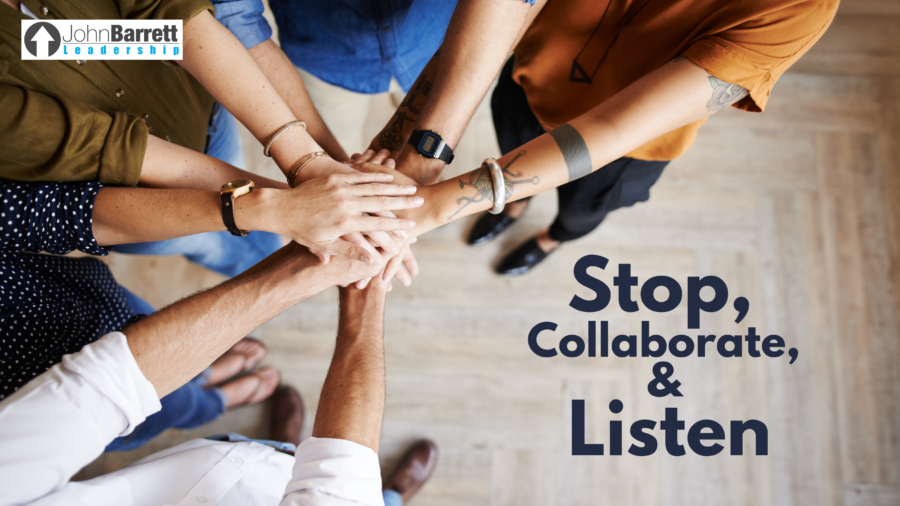
Effective communication is the cornerstone of successful collaborative projects. Clear and consistent communication channels facilitate the smooth exchange of ideas, feedback, and updates, ultimately leading to a more productive and efficient workflow. This section explores the critical role of communication and feedback in AI-assisted collaboration, emphasizing strategies for using AI tools to enhance these processes.
Importance of Clear Communication
Clear communication is paramount in collaborative projects, regardless of the tools employed. Shared understanding of project goals, tasks, and expectations minimizes misinterpretations and ensures everyone is working towards the same objectives. This leads to more efficient problem-solving and improved overall project outcomes. Unclear communication can result in wasted time, duplicated efforts, and ultimately, project failure. It is essential to establish clear communication protocols from the outset to maintain a high level of clarity and efficiency throughout the project.
Methods for Giving and Receiving Constructive Feedback
AI tools can play a crucial role in facilitating constructive feedback. For example, AI-powered writing assistants can help refine feedback messages, ensuring they are clear, concise, and actionable. These tools can also help ensure that feedback is delivered in a respectful and encouraging manner. When receiving feedback, actively listen and seek clarification on any points that are unclear.
Utilizing AI tools to analyze feedback patterns can help identify areas for improvement in team communication and collaborative strategies. This analytical capability can also assist in understanding different communication styles within the team.
Using AI Tools for Project Updates
AI-powered tools can streamline the creation and dissemination of project updates. These tools can automatically generate reports summarizing progress, highlighting key milestones, and identifying potential roadblocks. Project management software incorporating AI capabilities can provide real-time updates to all team members, fostering a shared understanding of project status. This proactive approach reduces the risk of delays and ensures all team members are informed of the current state of the project.
Examples include using AI-powered chatbots for automated status updates or employing AI tools to generate visual project dashboards for quick overviews.
Maintaining Consistent Communication
Maintaining consistent communication is vital for effective collaboration. Establish a regular communication schedule, such as daily check-ins or weekly project meetings, to ensure everyone is on the same page. Utilize project management software to schedule and track these communications. AI-powered tools can help remind team members of upcoming meetings and deadlines, ensuring timely follow-up and proactive engagement.
This proactive approach can prevent communication gaps and ensure consistent updates.
Tracking Progress and Identifying Roadblocks
AI tools can be used to monitor project progress and identify potential roadblocks early on. By analyzing project data, these tools can predict potential delays and suggest proactive solutions. For example, AI-powered project management software can flag potential issues, such as resource constraints or task dependencies, providing early warnings and allowing teams to address potential problems before they escalate.
This proactive approach ensures that projects stay on track and minimizes the risk of unexpected delays.
Ensuring Active Participation
Active participation from all team members is essential for successful collaboration. Utilize AI tools to create communication channels that encourage participation. Interactive discussions and polls embedded in project management software can foster a more inclusive environment. This active engagement ensures all team members feel heard and valued. AI-powered tools can also identify patterns of participation and suggest strategies to engage less active members, ensuring equitable contributions.
Communication Channels for Different Project Stages
| Project Stage | Communication Channel | Rationale |
|---|---|---|
| Initial Planning | Project Management Software, Video Conferencing | Facilitates detailed discussions, clear task assignments, and agreement on project scope. |
| Mid-Project | Project Management Software, Instant Messaging | Enables quick updates, feedback, and real-time problem-solving. |
| Finalization | Project Management Software, Email | Formalizes decisions, finalizes documentation, and confirms deliverables. |
This table Artikels various communication channels and their suitability for different project stages, emphasizing the importance of adapting communication methods to the specific needs of each phase. By selecting appropriate channels, teams can maintain efficient and effective communication throughout the entire project lifecycle.
Managing Conflicts & Disputes
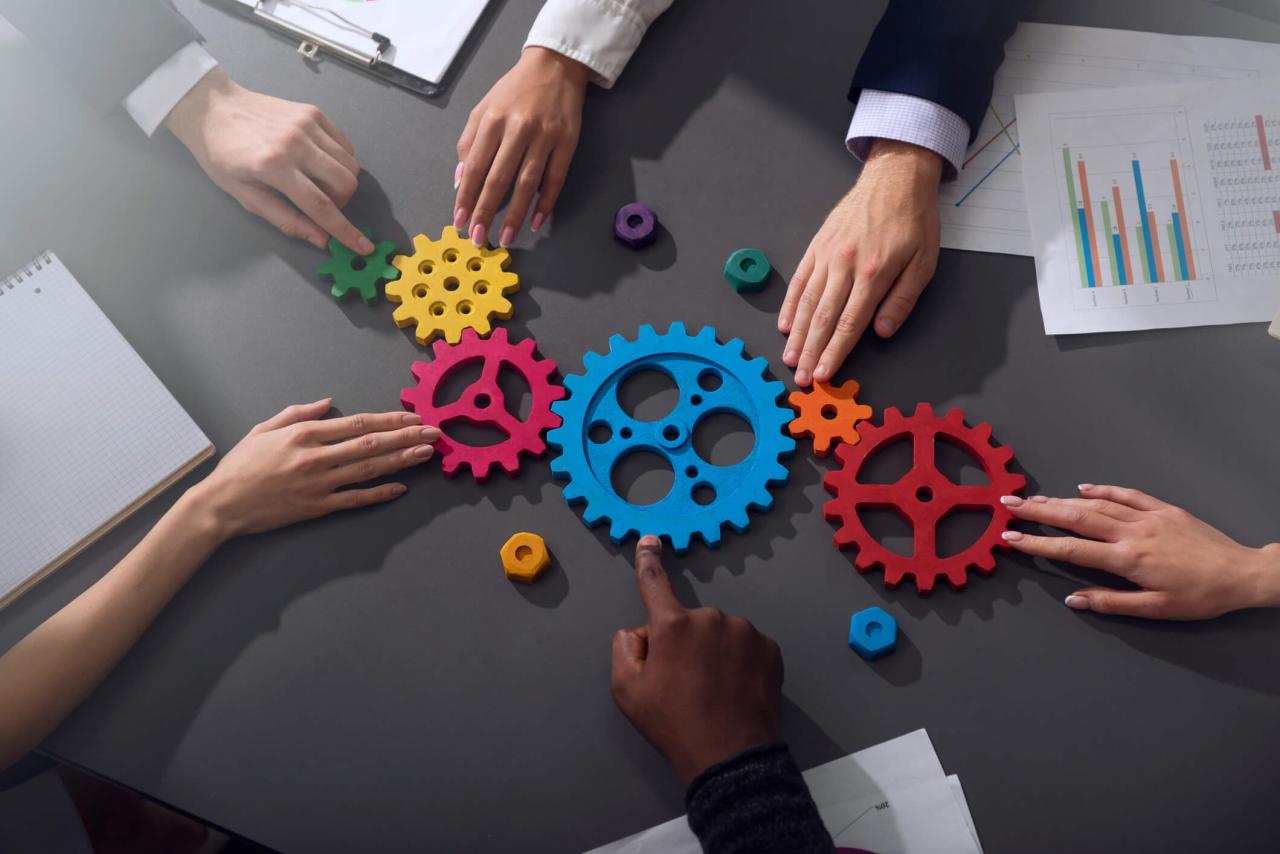
Effective collaboration often necessitates navigating disagreements and conflicts constructively. Addressing these issues head-on, rather than allowing them to fester, is crucial for maintaining a positive and productive team environment. This section details strategies for resolving disagreements, utilizing AI tools for constructive dialogue, and fostering mutual respect among team members.Collaborative projects, especially those involving diverse perspectives and tasks, are prone to disagreements.
Understanding the root causes of these conflicts and employing appropriate resolution strategies can transform a potential setback into an opportunity for growth and enhanced teamwork.
Strategies for Resolving Disagreements
Addressing disagreements proactively is key to successful collaboration. Clear communication channels, established ground rules, and a willingness to listen to differing viewpoints are essential. Understanding different conflict resolution styles can equip team members with effective tools for navigating disagreements.
- Establish clear communication protocols from the outset. This includes defining how and when team members can communicate concerns, suggestions, or feedback. For example, a designated communication channel, like a shared document or project management software, can help streamline communication and reduce misinterpretations.
- Foster a culture of open dialogue and constructive feedback. Team members should feel comfortable expressing their opinions and concerns without fear of retribution. This requires an environment where diverse perspectives are valued and respected.
- Encourage active listening and empathy. Actively listening to understand another’s perspective, rather than just formulating a response, is crucial. Empathy, the ability to understand and share the feelings of another, facilitates mutual understanding and promotes constructive dialogue.
- Utilize a structured conflict resolution process. This process could involve a facilitated discussion, a neutral mediator, or established guidelines for handling disagreements.
Addressing Conflict Constructively Using AI Tools
AI tools can play a valuable role in facilitating constructive dialogue during conflicts. These tools can help team members articulate their points of view, analyze differing opinions, and identify potential common ground.
- AI-powered communication platforms can provide a structured framework for discussions. These platforms often incorporate features for recording and summarizing discussions, helping to ensure all viewpoints are considered and understood.
- AI tools can analyze communication patterns to identify potential conflict triggers. This analysis can be used to proactively address issues before they escalate into significant disagreements.
- AI-driven summarization tools can condense lengthy discussions into concise summaries, facilitating easier comprehension and focused follow-up discussions.
- For example, tools can identify recurring themes in communications, potentially highlighting underlying issues that are causing disagreements.
Ensuring All Team Members Feel Heard and Respected
Respectful communication is essential to foster a collaborative environment where all team members feel heard and valued.
- Encourage active listening techniques to ensure all perspectives are acknowledged. Team members should practice paraphrasing and summarizing to confirm understanding.
- Establish clear guidelines for respectful communication. This includes prohibiting personal attacks and focusing on the issue at hand, not on personalities.
- Encourage constructive feedback, which focuses on specific behaviors or actions, not on personal attributes.
Resolving Conflicts for Mutual Understanding
Effective conflict resolution aims to achieve mutual understanding and a shared resolution. This involves identifying common goals, exploring different perspectives, and finding solutions that satisfy the needs of all involved.
- Focus on shared goals and interests. Finding common ground and identifying shared objectives can help team members move past disagreements and towards a unified approach.
- Encourage compromise and negotiation. Compromise involves finding a solution that satisfies the needs of all parties involved, even if it requires concessions.
The Importance of Active Listening and Empathy
Active listening and empathy are vital components of successful conflict resolution. Active listening involves paying close attention to the speaker’s message, both verbally and nonverbally, and responding appropriately. Empathy is the ability to understand and share the feelings of another.
- Active listening helps ensure that everyone feels heard and understood. It also helps in identifying the root cause of the conflict.
- Empathy helps in understanding different perspectives, which is crucial in finding a mutually acceptable solution.
Utilizing AI Tools to Facilitate Constructive Dialogue
AI tools can facilitate constructive dialogue among team members by providing a platform for structured discussion, summaries of discussions, and identifying potential conflict triggers.
- Platforms for communication and collaboration can be integrated with AI to track discussion threads, flag potential conflicts, and provide summaries of key points.
- This can lead to more focused and productive discussions, ensuring that all perspectives are considered and that conflicts are addressed constructively.
Conflict Resolution Styles
Different conflict resolution styles have varying degrees of effectiveness in a collaborative setting. A table below illustrates these styles and their effectiveness.
| Conflict Resolution Style | Description | Effectiveness in Collaboration |
|---|---|---|
| Accommodating | Prioritizing the needs of others over one’s own. | May be effective in maintaining harmony but can be detrimental if it leads to resentment or unmet needs. |
| Collaborating | Finding a solution that satisfies all parties. | High effectiveness as it fosters mutual understanding and commitment to the solution. |
| Competing | Prioritizing one’s own needs over others’. | Can be effective in urgent situations, but may damage relationships and hinder future collaboration. |
| Avoiding | Ignoring or postponing the conflict. | Ineffective in the long term as it does not address the underlying issues. |
| Compromising | Finding a middle ground that satisfies some needs of all parties. | Can be effective in reaching a quick resolution, but may not fully address the root cause of the conflict. |
Evaluating Collaboration
Assessing the effectiveness of a collaborative project is crucial for learning from past experiences and improving future teamwork. A well-structured evaluation process allows for a comprehensive understanding of the project’s strengths and weaknesses, fostering a culture of continuous improvement. This analysis should consider not only the final product but also the process itself, providing insights into individual and collective contributions.Thorough evaluation goes beyond simply judging the final outcome.
It entails a systematic examination of the collaborative process, including communication patterns, conflict resolution, and the overall contribution of each team member. By understanding the dynamics of the collaboration, teams can identify areas for improvement and refine their approaches for future projects.
Methods for Evaluating Collaborative Projects
Effective evaluation requires diverse methods that capture the multifaceted nature of collaborative projects. This includes analyzing the quality of the final product, assessing individual contributions, and reflecting on the collaborative process. These methods provide a comprehensive view of the project’s strengths and weaknesses.
- Product Quality Assessment: This involves evaluating the project’s deliverables against predefined criteria. Clear criteria, such as originality, accuracy, completeness, and adherence to specifications, must be established beforehand. This assessment focuses on the tangible outcome of the collaborative effort.
- Individual Contribution Analysis: Determining each team member’s contribution is vital for understanding individual strengths and areas for development. Metrics such as task completion, quality of work, and active participation in discussions can be used. This process should be transparent and objective, focusing on specific contributions rather than subjective opinions.
- Process Evaluation: Analyzing the collaborative process itself provides valuable insights into team dynamics. This involves evaluating communication effectiveness, conflict resolution strategies, and the overall atmosphere of the collaboration. This often includes observing meeting efficiency, the use of AI tools, and the general flow of information.
Criteria for Assessing Quality of Work
Defining clear criteria for evaluating the quality of the work produced is essential for a fair and objective assessment. These criteria should be specific, measurable, achievable, relevant, and time-bound (SMART). The criteria should reflect the project’s specific goals and objectives.
- Originality: The project should demonstrate creativity and innovation, showcasing a unique perspective. This might involve developing a new approach or finding novel solutions to existing problems.
- Accuracy: The project must adhere to factual information and data analysis. Accuracy in research, data interpretation, and reporting is essential.
- Completeness: The project should encompass all necessary components and fulfill all stated requirements. There should be no missing parts or incomplete sections.
- Adherence to Specifications: The project should meet all defined parameters, including deadlines, format requirements, and other stipulations.
Metrics for Measuring Member Contributions
Measuring the contribution of each team member requires quantifiable metrics. These metrics should be directly linked to the project’s goals and objectives, ensuring a fair assessment. Using a combination of qualitative and quantitative methods is often beneficial.
- Task Completion Rate: Tracking the completion of assigned tasks provides a clear indication of each member’s commitment and productivity. This metric can be calculated by the percentage of tasks completed within the deadline.
- Quality of Work: Assessing the quality of individual contributions involves evaluating factors such as accuracy, clarity, and creativity. This requires detailed criteria specific to the project’s nature.
- Active Participation: Monitoring participation in meetings and discussions helps gauge a member’s engagement and contribution to the collaborative process. This can be assessed by observing their contributions to the conversation, the time spent, and the quality of their input.
Strategies for Constructive Feedback
Constructive feedback is vital for personal and team growth. It should be delivered with empathy, focus on specific behaviors, and aim to support improvement.
- Focus on Specific Behaviors: Instead of general statements, provide concrete examples of actions that either contributed positively or negatively to the project.
- Emphasize Learning and Improvement: Frame feedback as an opportunity for growth and learning, highlighting areas where improvement is possible.
- Balance Positive and Constructive Feedback: Acknowledge strengths and contributions while addressing areas requiring attention.
Importance of Reflecting on the Collaboration Process
Reflecting on the collaboration process is crucial for understanding what worked well and what could be improved in future projects. This introspection enables continuous learning and enhancement of teamwork skills.
- Identifying Strengths and Weaknesses: Identifying areas where the team excelled and areas needing improvement allows for targeted enhancement in future collaborative efforts.
- Improving Communication Patterns: Reflecting on communication effectiveness helps teams understand how they can communicate more efficiently and constructively.
- Enhancing Conflict Resolution: Analyzing how conflicts were handled allows teams to identify more effective strategies for managing disagreements in future projects.
Examples of Evaluation Tools
Various tools can facilitate the evaluation process. These tools can range from simple checklists to more sophisticated survey instruments. A suitable tool should be chosen based on the project’s complexity and the desired level of detail.
- Checklists: A simple checklist can be used to assess specific criteria for product quality and individual contributions.
- Surveys: Surveys can gather feedback from team members on the collaborative process and individual contributions. Structured questionnaires can provide data for analysis.
- Performance Logs: Keeping detailed records of individual contributions, communication, and conflict resolution can provide a comprehensive overview of the collaborative process.
Evaluation Methods Table
| Evaluation Method | Suitability for Different Project Types |
|---|---|
| Checklists | Simple projects with clear criteria |
| Surveys | Projects requiring comprehensive feedback |
| Performance Logs | Projects with complex dynamics and prolonged duration |
Last Recap
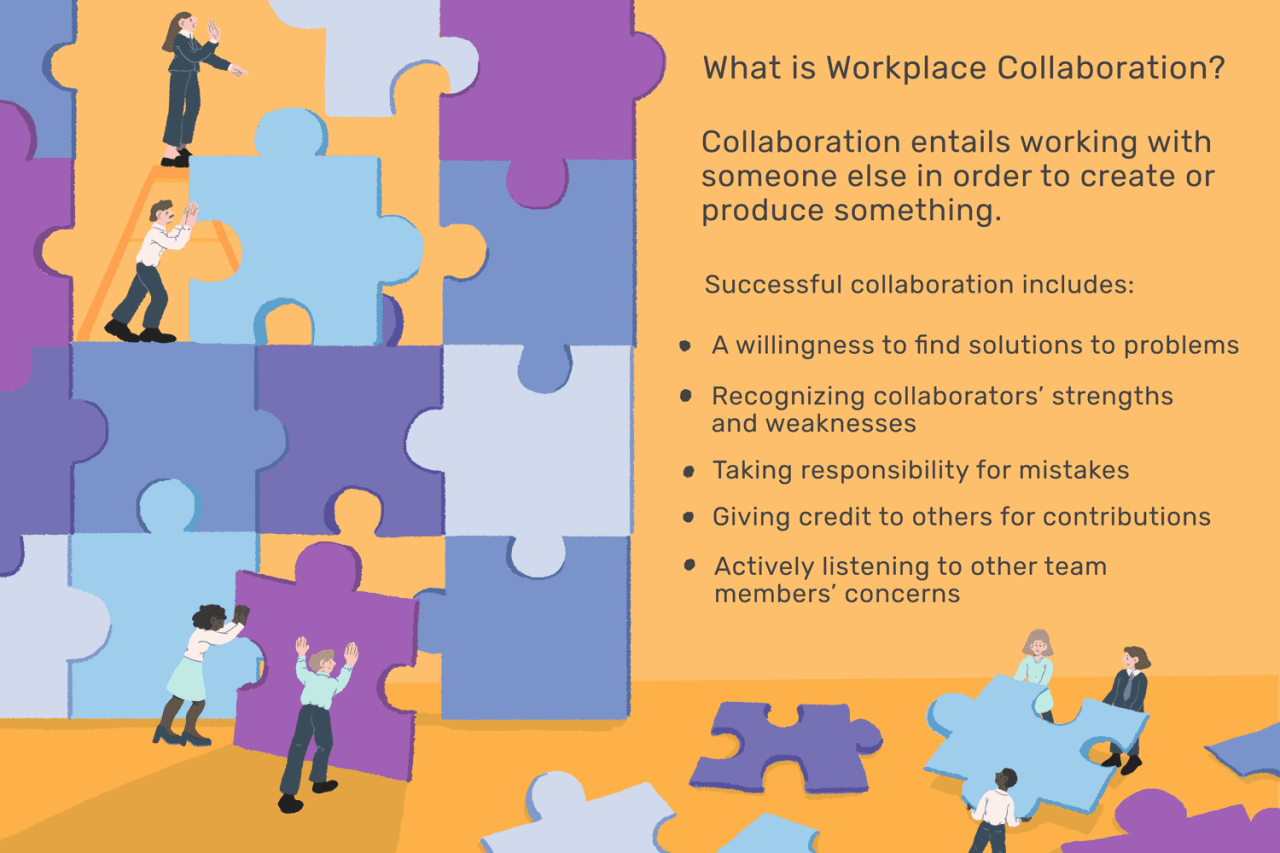
In conclusion, leveraging AI tools for collaborative projects can significantly improve teamwork and project outcomes. By understanding the benefits, strategies, and ethical considerations, students can effectively use AI to enhance their communication, task management, and conflict resolution skills. This guide empowers students to navigate the complexities of AI-assisted collaboration, leading to more productive and fulfilling learning experiences.