Maximizing learning potential is a key objective for students today. This guide delves into the transformative power of AI in adapting study styles. We’ll explore how AI can identify individual learning preferences, craft personalized study plans, and ultimately enhance academic success. From understanding different learning styles to implementing AI-driven strategies, this comprehensive approach empowers students to optimize their learning journey.
The dynamic nature of modern education demands flexibility and adaptability. This guide provides a structured approach to harnessing AI tools for effective study style adjustment, enabling students to achieve their academic goals more efficiently and effectively. We’ll explore the strengths and limitations of AI in personalized learning and discuss the crucial role of human support in the process.
Introduction to Adapting Study Style

Effective study habits are crucial for academic success. Adapting one’s study style to suit individual learning preferences and the specific demands of different subjects or environments is vital for optimal knowledge retention and application. A well-tailored approach maximizes understanding and minimizes the frustration that often accompanies inefficient study methods.Students frequently encounter challenges in adapting to varying learning environments, such as transitioning from high school to university, shifting from in-person to online classes, or encountering new subject matter with unfamiliar teaching styles.
Overcoming these challenges often requires a conscious effort to identify and adjust one’s learning strategies. Learning how to adapt to new situations and materials is a key component of developing resilience and a lifelong love of learning.
Recognizing Your Preferred Learning Style
Identifying your preferred learning style is a crucial step in adapting your study methods. Different individuals learn best through various sensory channels, leading to distinct preferences in how information is presented and processed. By understanding your strengths and weaknesses, you can tailor your study approach to enhance comprehension and retention. This self-awareness is fundamental to effective learning.
Different Learning Styles
Learning styles, often categorized as visual, auditory, and kinesthetic, reflect the different ways individuals process and retain information. Recognizing these distinctions can significantly improve the effectiveness of study strategies.
| Learning Style | Characteristics | Examples of Learning Strategies |
|---|---|---|
| Visual | Learners prefer to see information presented visually, such as diagrams, charts, and images. They often benefit from visual aids and illustrations to understand complex concepts. | Creating mind maps, using flashcards with diagrams, highlighting key concepts in textbooks, watching educational videos. |
| Auditory | Learners process information best through listening and speaking. They often learn effectively through lectures, discussions, and audio recordings. | Participating in study groups, recording lectures, summarizing concepts aloud, listening to audio books or podcasts related to the subject. |
| Kinesthetic | Learners prefer hands-on activities and practical applications. They often learn best by doing, experimenting, and actively engaging with the material. | Conducting experiments, building models, practicing problem-solving exercises, creating physical representations of concepts. |
Identifying Learning Gaps

Pinpointing areas where a student’s current study methods are less effective is crucial for adapting their approach. A comprehensive self-assessment, combined with an objective evaluation of study habits, can reveal these weaknesses and pave the way for improvement. Recognizing these gaps is the first step in crafting a more effective and efficient learning strategy.Effective learning isn’t a one-size-fits-all approach.
Different subjects, topics, and individual learning styles necessitate diverse strategies. Identifying specific areas of weakness in a student’s current study methods allows for tailored interventions and the development of personalized learning plans.
Key Indicators of Ineffective Study Habits
Understanding ineffective study habits is essential for identifying learning gaps. Passive absorption of information without active engagement, poor time management, and a lack of focused attention are common pitfalls. These factors often lead to incomplete comprehension and retention of knowledge. Students may struggle to apply learned concepts to new situations, hindering their overall understanding and mastery of the subject matter.
- Passive Learning: Simply rereading notes or passively listening to lectures without actively engaging with the material is often unproductive. Students may not fully grasp the concepts and struggle to recall them later.
- Procrastination: Delaying study sessions until the last minute often leads to rushed and ineffective learning. This approach often results in poor comprehension and increased stress.
- Lack of Focus: Distractions, such as social media or other interruptions, can hinder concentration and impede learning. Sustained focus is crucial for deep understanding.
- Ineffective Note-Taking: Poor note-taking habits, such as failing to synthesize information or using illegible handwriting, can significantly impede comprehension and recall.
- Insufficient Practice: Lack of practice problems, exercises, or real-world applications can prevent the application of theoretical knowledge and hinder the development of skills.
Self-Assessment Strategies for Identifying Learning Gaps
A crucial aspect of identifying learning gaps is a thorough self-assessment. Students should reflect on their current study habits and honestly evaluate their strengths and weaknesses. This involves identifying situations where they feel they are not performing to their potential, considering the subject matter and the difficulty level, and noting the circumstances that hinder their ability to concentrate.
Study Techniques and Effectiveness
This table Artikels various study techniques and their effectiveness in different learning contexts. It’s important to note that the effectiveness of each technique can vary based on individual learning styles and subject matter.
| Study Technique | Description | Effectiveness | Example Application |
|---|---|---|---|
| Spaced Repetition | Revisiting material at increasing intervals to enhance memory retention. | High | Reviewing vocabulary flashcards at progressively longer intervals. |
| Active Recall | Testing oneself on the material to strengthen memory. | High | Creating and answering practice questions. |
| Mind Mapping | Visualizing connections between ideas. | Medium-High | Connecting key concepts in a subject by using visual representation. |
| Flashcards | Using cards to memorize facts and concepts. | Medium | Creating flashcards for vocabulary, formulas, or dates. |
| Summarization | Condensing information into concise summaries. | High | Summarizing chapters of a textbook. |
Leveraging AI Tools for Study Style Enhancement
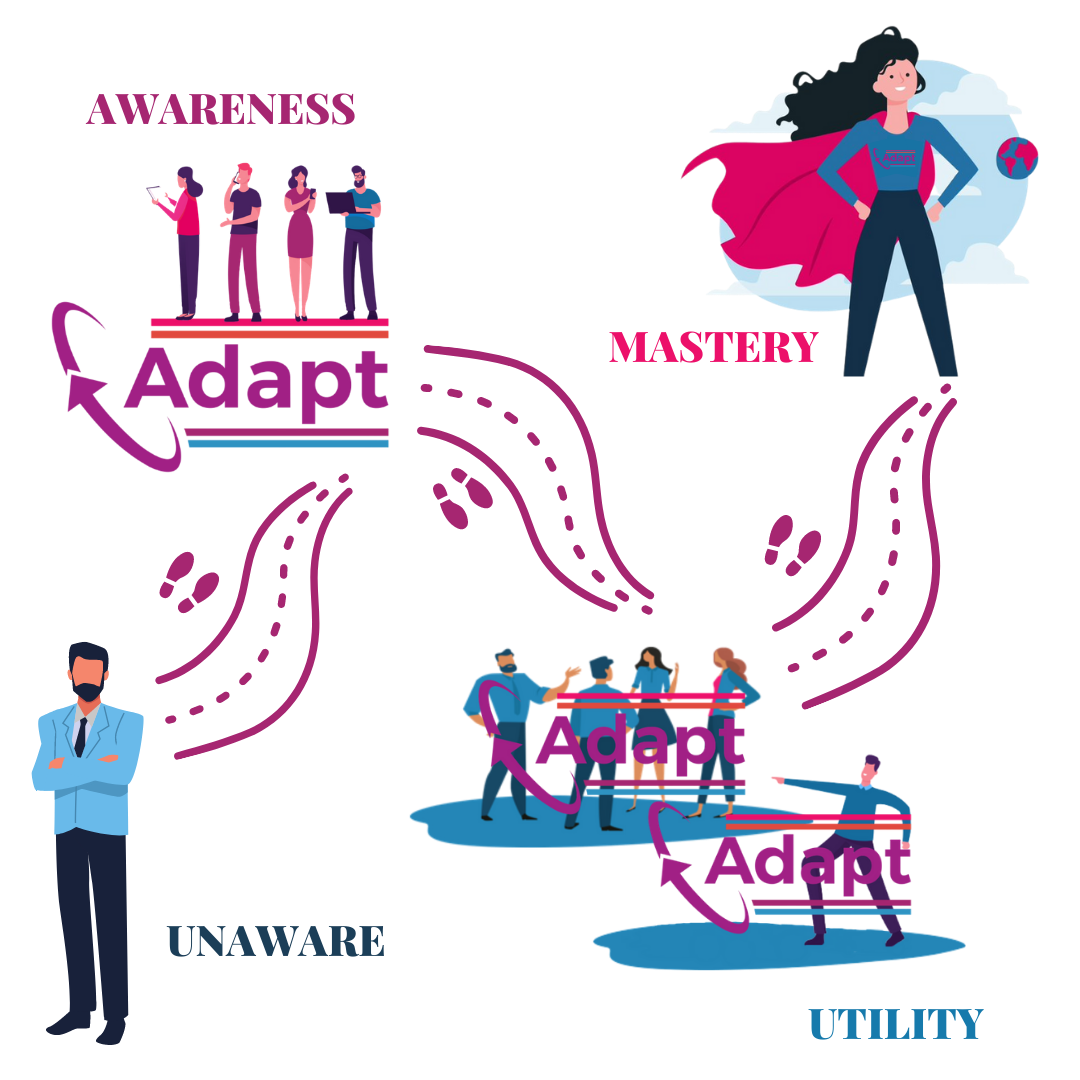
AI tools offer a powerful means to tailor study strategies to individual needs and preferences. By analyzing learning patterns and identifying strengths and weaknesses, AI can personalize study plans and optimize learning outcomes. This approach allows students to focus on areas requiring improvement and reinforce their existing strengths, ultimately leading to more effective and efficient learning experiences.AI’s ability to adapt study plans to individual learning styles is crucial.
It can create customized study schedules that cater to specific needs, maximizing time management and productivity. This personalized approach significantly enhances learning effectiveness and provides a more adaptable framework compared to generic study methods.
Identifying Learning Preferences with AI
AI tools can analyze student data, including past performance, learning materials, and preferred learning environments, to identify individual learning styles. This process goes beyond simple questionnaires and utilizes sophisticated algorithms to uncover nuanced preferences, such as visual, auditory, or kinesthetic learning styles. By understanding these preferences, AI can recommend learning materials and strategies that align with individual strengths. For instance, an AI tool might suggest visual aids for a student who learns best through visual cues.
Creating Personalized Study Plans with AI
AI plays a pivotal role in developing personalized study plans. By analyzing a student’s strengths, weaknesses, and learning style, AI can create customized study schedules and content recommendations. This tailored approach ensures that study time is allocated effectively across different subjects and concepts. For example, if a student struggles with mathematics, the AI might suggest additional practice exercises focused on areas where the student demonstrates weaker understanding.
Analyzing Learning Patterns and Suggesting Improvements
AI can analyze a student’s learning patterns to identify areas needing improvement. This analysis goes beyond just looking at grades. AI can track engagement levels with different study materials, identify recurring mistakes, and suggest targeted interventions. For instance, if a student consistently struggles with a specific type of problem in physics, the AI might suggest additional resources or interactive simulations to help overcome that particular obstacle.
The data-driven approach provides targeted feedback, facilitating more effective learning.
Customizing Study Schedules with AI
AI tools can create customized study schedules that account for individual learning styles and preferences. These schedules can incorporate breaks, study sessions, and reminders tailored to the student’s specific needs and commitments. By optimizing the allocation of time, AI can maximize study effectiveness and minimize procrastination. This personalized approach leads to a more efficient and organized learning experience.
AI Tools for Study Style Adaptation
AI tools are increasingly available to assist students in adapting their study style. These tools leverage diverse approaches to support students in their learning journey. Here is a list of examples:
- Duolingo: This language learning app uses AI to personalize learning paths based on individual progress and learning style. It adjusts the difficulty of exercises and provides tailored feedback to optimize language acquisition.
- Khan Academy: This online learning platform uses AI to suggest relevant practice exercises and resources based on individual performance and learning style. It tracks progress and provides personalized recommendations for improvement.
- Quizlet: This platform utilizes AI to create personalized flashcards and study sets, adapting to the user’s learning style and pace. It allows for active recall and repetition, optimizing memorization.
- Notion: While not exclusively focused on study, Notion offers a powerful framework for organizing study materials and creating personalized schedules. AI-powered features, such as automatic task scheduling and reminders, can enhance time management and productivity.
These AI-powered tools demonstrate the potential for personalized learning and effective study style adaptation. By leveraging AI, students can optimize their study strategies, improve their understanding, and achieve greater success in their academic pursuits.
Creating Personalized Study Plans with AI
AI-powered study planning tools are transforming the way students approach their academic pursuits. These tools analyze individual learning styles and preferences to craft customized study schedules, maximizing efficiency and minimizing stress. By leveraging vast amounts of data and sophisticated algorithms, AI can help students optimize their study time and improve their overall academic performance.AI excels at tailoring study plans to specific learning styles.
By recognizing patterns in how students absorb information and retain knowledge, AI algorithms can create schedules that align with those preferences. This personalized approach ensures that students are engaging with material in a way that resonates with their unique learning styles, whether it’s through visual aids, hands-on activities, or focused, uninterrupted study sessions.
AI-Generated Study Schedules for Different Subjects
Personalized study schedules are not a one-size-fits-all solution. The AI adapts the schedule to accommodate the specific needs of each subject. For example, a student might need more time for math problem-solving, requiring a schedule with dedicated blocks for practice and review. Conversely, a subject like literature might benefit from a more flexible schedule, allowing for in-depth analysis and creative writing exercises.
Role of AI in Managing Time Effectively for Different Learning Styles
AI plays a crucial role in time management for various learning styles. For students who thrive on structured routines, the AI can create a detailed daily schedule, meticulously allocating time for different subjects and activities. Students who prefer more flexible schedules can utilize the AI to create a weekly or monthly framework, allowing for adjustments based on individual needs and performance.
Comparison of Study Plan Formats
| Study Plan Format | Description | Suited for |
|---|---|---|
| Daily | Detailed schedule outlining tasks for each day. | Students who prefer a highly structured and organized approach. |
| Weekly | Overviews of tasks for the entire week, allowing for flexibility within a framework. | Students who benefit from a structured overview but also need flexibility in task allocation. |
| Monthly | Broad overview of tasks for the entire month, focusing on larger goals and milestones. | Students who prefer a long-term perspective and require a less granular schedule. |
Incorporating Feedback into Personalized Study Plans
AI systems are not static; they continually adapt based on user feedback. If a student finds a particular schedule ineffective, they can provide feedback, which the AI will use to adjust the plan. For instance, if a student consistently struggles to complete tasks within a certain time frame, the AI can adjust the allocated time, ensuring a more realistic and manageable schedule.
This iterative process allows the AI to refine its recommendations, ensuring that the study plan continually meets the evolving needs of the user.
Implementing and Evaluating AI-Assisted Study Strategies

Successfully integrating AI-generated study plans requires a structured approach. This involves a careful consideration of the plan’s components, a diligent tracking process, and a systematic method for evaluating its effectiveness. Adapting your study style with AI tools is not just about following a plan; it’s about understanding how to use these tools to optimize your learning journey.Implementing AI-generated study plans requires a thoughtful approach, moving beyond simple adherence to a schedule.
It necessitates active engagement with the plan’s elements, understanding their rationale, and adjusting as needed to optimize learning outcomes. By understanding the underlying logic of the plan, you can make informed decisions about its implementation, ensuring that the AI’s suggestions align with your specific learning needs.
Implementing AI-Generated Study Plans
A well-defined implementation process ensures that the AI-generated study plan is not merely a document but a dynamic tool for improvement. This involves a series of steps designed to ensure the plan’s successful integration into your daily routine. Breaking down complex tasks into manageable steps, scheduling dedicated study blocks, and incorporating active recall techniques can significantly enhance your learning experience.
- Establish Clear Goals: Articulating specific learning objectives is crucial for effectively utilizing the plan. Defining clear, measurable, achievable, relevant, and time-bound (SMART) goals helps to focus efforts and track progress effectively.
- Prioritize Tasks: AI tools often prioritize tasks based on their complexity and dependencies. Understanding these priorities is important for optimizing the study plan’s effectiveness. A clear understanding of task dependencies ensures a smooth workflow.
- Integrate with Existing Routine: AI-generated plans should complement, not replace, your existing routine. Finding ways to incorporate study sessions seamlessly into your daily schedule promotes consistency and minimizes disruptions.
- Regular Review and Adjustment: Regularly review the progress and adjust the study plan as needed. Flexibility is key to maximizing the effectiveness of the plan.
Tracking Progress with AI Tools
AI tools offer numerous options for monitoring progress. These range from simple progress bars to sophisticated analytics dashboards that visualize learning patterns. Utilizing these tools provides data-driven insights into your learning journey.
- Progress Tracking Dashboards: Many AI-powered learning platforms provide dashboards that visually represent your progress towards goals. These dashboards offer a clear overview of completed tasks, time spent studying, and areas where you might need additional focus.
- Performance Metrics: AI tools can collect and analyze performance data, such as quiz scores and test results. These metrics provide a valuable feedback loop to identify strengths and weaknesses in your understanding.
- Adaptive Learning Platforms: Some AI-powered learning platforms adjust their recommendations based on your performance. This adaptive approach can lead to more efficient learning and a more personalized study experience.
Evaluating the Effectiveness of Adjusted Study Styles
Evaluating the effectiveness of an adjusted study style is essential for continuous improvement. This involves analyzing the impact of changes to your study routine on learning outcomes.
- Assess Learning Outcomes: Regular assessments, such as quizzes, tests, and projects, are essential for measuring learning outcomes. Comparing results from assessments before and after adjusting your study style provides a clear picture of improvement.
- Analyze Study Habits: Reflect on your study habits and identify any patterns or areas that could be optimized. Tracking time spent on different study activities and note-taking methods can reveal insights into potential areas for improvement.
- Seek Feedback: Seeking feedback from teachers, mentors, or peers can offer valuable perspectives on the effectiveness of your adjusted study style. Constructive criticism can highlight areas for further refinement.
Modifying Study Plans Based on Performance Evaluations
Adapting study plans based on performance evaluations is a crucial element of an iterative learning process. This allows for ongoing refinement of the study plan to match your learning needs and maximize learning outcomes.
- Identify Areas for Improvement: Regular performance evaluations pinpoint areas needing more attention. Identifying these areas allows for focused effort and efficient resource allocation.
- Adjusting Study Strategies: Modifying the study plan involves incorporating additional resources, changing study materials, or focusing on specific concepts that require further review.
- Refining Task Prioritization: Analyzing performance data can reveal the optimal sequence and difficulty level of tasks, enabling a refined task prioritization scheme within the study plan.
Study Progress and Feedback Recording
Systematic record-keeping is crucial for monitoring and evaluating progress. A structured approach helps in tracking changes in study habits and identifying areas needing improvement.
| Date | Topic/Task | Estimated Time | Actual Time | Progress | Feedback |
|---|---|---|---|---|---|
| 2024-10-27 | Review Chapter 3 | 1 hour | 1.5 hours | 75% complete | Needed more focused concentration |
| 2024-10-28 | Practice Problems | 1 hour | 1 hour | 80% complete | Understood concepts better after practice. |
Illustrative Examples of AI Study Tools

AI-powered study tools are rapidly evolving, offering personalized learning experiences and enhanced study strategies. These tools leverage sophisticated algorithms to analyze student performance and provide tailored support, ultimately accelerating learning and comprehension. This section presents a hypothetical AI study app, detailing its features, functionality, and impact on study plans.
AI-Powered Study App Features
This hypothetical app, “StudyPath,” offers a comprehensive suite of features designed to optimize learning. It goes beyond basic note-taking and quizzing by providing a dynamic and adaptable learning environment. StudyPath recognizes the varied learning styles and preferences of students, providing personalized support.
- Adaptive Learning Paths: StudyPath analyzes a student’s strengths and weaknesses to create dynamic study paths. The app adjusts the difficulty and content presented based on real-time performance. This means if a student struggles with a particular concept, the app will dedicate more time and resources to that area, and vice-versa. For example, if a student consistently scores high on physics problems involving momentum, the app will shift focus to more complex problems or advanced applications.
- Personalized Quiz Generation: StudyPath generates customized quizzes based on the specific learning objectives. These quizzes are not just rote memorization exercises; they incorporate critical thinking and problem-solving components. The app can identify specific knowledge gaps, and adjust the difficulty and type of questions asked accordingly.
- Integration with Educational Resources: StudyPath seamlessly integrates with popular educational platforms and textbooks. This integration allows the app to access and process information from various sources, enriching the learning experience and offering a holistic view of the subject matter. For example, if a student is studying a chapter in a biology textbook, StudyPath can link to related videos, articles, and interactive simulations from reputable educational websites.
Tailoring Study Plans with AI
StudyPath’s core function lies in creating and adapting personalized study plans. These plans are not static schedules but dynamic frameworks adjusted in real-time. The app considers various factors, including past performance, current learning objectives, and estimated time required for each topic.
- Goal Setting: StudyPath allows students to set specific learning goals, be it mastering a particular concept or achieving a desired grade. These goals are broken down into smaller, achievable milestones, providing a clear roadmap for progress.
- Time Management: The app assesses the student’s available study time and generates a schedule that optimally allocates resources across different subjects and topics. It takes into account personal commitments and preferences to avoid overwhelming the student.
- Progress Tracking: StudyPath tracks progress toward learning goals in real-time, identifying areas where the student is excelling or lagging. This allows for proactive adjustments to the study plan, ensuring efficient use of time and resources.
Data Collection and Analysis
StudyPath gathers data to inform its study recommendations. This data includes, but is not limited to, the following:
- Quiz Results: Correct and incorrect answers, time taken to answer, and patterns in errors. This provides insights into specific knowledge gaps and learning strengths.
- Study Session Data: Time spent on each topic, difficulty level, and focus areas. This reveals areas where the student is spending excessive time or struggling with particular concepts.
- External Resource Usage: Which external resources (videos, articles, etc.) are accessed and how they are used. This data indicates areas where the student may benefit from additional support or resources.
Visual Representation of Learning Patterns
StudyPath offers visual representations of learning patterns to enhance understanding and provide valuable insights. These visualizations are key to empowering the student to take control of their learning journey.
- Progress Charts: Visual representations of progress towards learning goals, showing areas of strength and weakness. These charts are interactive, allowing the user to drill down into specific topics and identify trends.
- Learning Curve Graphs: Graphs that visualize how learning is progressing over time, revealing patterns of improvement and areas needing attention. This allows for proactive adjustments to the study plan.
- Concept Maps: Visual representations of connections between concepts, aiding in understanding the broader context of the subject matter. These maps allow the student to see the interconnectedness of various topics.
Addressing Potential Challenges and Limitations
AI tools, while powerful, are not a universal solution for every learner. Their effectiveness hinges on various factors, including the specific learning style, the complexity of the subject matter, and the quality of the data they are trained on. Recognizing the limitations of AI is crucial for using these tools effectively and avoiding unrealistic expectations.Understanding the nuances of individual learning styles and incorporating human guidance are essential components of a successful learning strategy.
AI can offer valuable insights and support, but it should be viewed as a supplementary tool, not a replacement for human interaction and tailored guidance.
Limitations of AI in Adapting Study Styles
AI tools are trained on vast datasets, but their understanding of nuanced learning styles and individual cognitive processes is still developing. Consequently, they may struggle to adapt to highly specific or unconventional learning methods. For instance, an AI-generated study plan might not account for the need for hands-on experimentation in a scientific discipline, or the unique emotional needs of a learner facing anxiety related to learning.
Their output may be generic and not precisely cater to the specific requirements of a particular learner.
Examples of Learners for Whom AI Tools Might Not Be Suitable
Some learners may find AI-generated study plans too rigid or inflexible. Visual learners, for example, might not benefit optimally from purely text-based recommendations. Similarly, learners with specific learning disabilities or those who require highly personalized and intensive support may not find the automated solutions sufficient. The effectiveness of AI tools depends heavily on the learner’s ability to engage with and interpret the output.
This ability may vary significantly across individuals.
Importance of Human Guidance
Human guidance is paramount in leveraging AI for study style enhancement. A teacher, tutor, or mentor can provide critical feedback, adjust strategies based on individual needs, and address unforeseen challenges that might arise during the learning process. AI can provide data points, but human insight is essential for interpreting the data within the context of the learner’s overall development.
Troubleshooting Issues with AI Study Tools
If an AI-generated study plan proves ineffective, the first step is to review the input provided to the AI. Ensure the information is accurate and comprehensive, reflecting the learner’s specific goals and preferences. If the problem persists, consider seeking feedback from a mentor or educator who can offer a different perspective on the learning process. AI tools should be viewed as a starting point, not a final solution.
Continuous evaluation and adjustments are necessary for optimized learning.
Ethical Considerations in Personalized Learning
The use of AI for personalized learning raises ethical considerations related to data privacy, bias in algorithms, and the potential for exacerbating existing inequalities. Data collected by AI tools must be handled responsibly and securely. Bias in the training data can lead to discriminatory or unfair outcomes. It is crucial to ensure that AI tools are designed and used in a way that promotes equity and inclusivity in the learning process.
Transparency in the AI’s decision-making processes is vital for building trust and ensuring accountability.
Enhancing Study Environment with AI-Driven Insights
AI is rapidly transforming the learning landscape, extending its influence beyond personalized study plans to encompass the very environment where learning takes place. By analyzing the study environment, AI can provide valuable insights, leading to more effective learning and improved focus. This analysis allows for the creation of a personalized study space optimized for individual learning styles and preferences.AI can analyze various aspects of the study environment to identify optimal conditions for learning.
These analyses range from identifying optimal lighting and noise levels to pinpointing the most productive arrangement of study materials. The insights gleaned from such analyses empower students to tailor their study spaces to maximize their cognitive performance.
AI Analysis of Study Environment
AI tools can analyze the study environment in a multitude of ways. Sophisticated algorithms can monitor ambient noise levels, detect variations in lighting conditions, and even track the movement of study materials within the space. This data allows for a precise understanding of how the environment impacts concentration and productivity. For instance, an AI application might identify that a particular student performs best in a dimly lit room with background music, while another thrives in a brightly lit space with complete silence.
Creating a Personalized Study Space
AI can significantly contribute to creating a personalized study space. It can learn a student’s preferred study environment based on their performance data, such as test scores or quiz results, correlated with specific environmental conditions. For example, if a student consistently performs better when studying in a quiet environment, the AI can recommend adjusting the study space to minimize distractions.
This personalized approach allows for a tailored study space that promotes optimal learning.
Minimizing Distractions with AI-Powered Tools
AI-powered tools can play a crucial role in minimizing distractions. These tools can identify and categorize potential distractions, from social media notifications to interruptions from family members. AI can also adapt the study environment to block or mitigate these distractions. For example, AI-driven applications could automatically silence incoming calls during study sessions or block distracting websites. This proactive approach allows students to focus on their studies without external interruptions.
AI Insights for Focus and Concentration
AI can provide valuable insights into a student’s focus and concentration patterns. By monitoring their study habits, such as the time spent on different tasks, and the frequency of breaks, AI can identify patterns associated with peak concentration periods. This understanding allows students to strategically schedule their study sessions around their optimal focus times. For example, if an AI detects that a student’s focus tends to wane after an hour of studying, it might suggest a 15-minute break to refresh their cognitive abilities.
Impact of Different Study Environments on Learning
| Study Environment | Impact on Learning |
|---|---|
| Quiet Library | Promotes deep concentration and focused learning, ideal for tasks requiring high cognitive effort. |
| Cafeteria | Can foster collaborative learning and inspire creative thinking, but potential distractions can hinder focused work. |
| Home Study Room | Provides flexibility and control over the environment, but potential distractions from household activities can be a challenge. |
| Outdoor Study Space | Can foster a sense of tranquility and promote creativity. However, weather conditions and distractions from nature can impact focus. |
Final Conclusion
In conclusion, this exploration of how AI can enhance study styles provides a powerful framework for optimizing academic performance. By understanding individual learning preferences and leveraging AI-powered tools, students can create personalized study plans, track progress, and address challenges effectively. Ultimately, this guide empowers students to take control of their learning experience and achieve their full potential.