Unlock the potential of artificial intelligence to craft effective study guides. This guide provides a structured approach to leveraging AI tools, from initial content input to final refinement, ensuring optimal learning outcomes. We’ll explore the various AI tools available, examining their strengths and weaknesses to help you choose the right one for your needs.
From defining study guide types and frameworks to understanding ethical considerations, this comprehensive guide covers every aspect of creating AI-powered study aids. It details how to tailor content, customize generated guides, and evaluate their effectiveness. Real-world applications and examples are also provided, showcasing how AI study guides can improve learning experiences across diverse subjects.
Introduction to AI-Powered Study Guides
Study guides are essential learning tools that help learners organize and synthesize information. They act as a structured framework for comprehension, enabling learners to focus on key concepts and facilitate effective memorization. By distilling complex materials into manageable summaries, study guides streamline the learning process and enhance understanding.AI-powered study guides leverage the capabilities of artificial intelligence to generate personalized and comprehensive learning materials.
This technology can analyze vast amounts of data, identify key concepts, and create customized study resources that cater to individual learning styles and needs. The potential benefits of AI in this realm are significant, leading to more efficient and effective learning outcomes.
Definition and Purpose of Study Guides
Study guides are structured Artikels of key information related to a specific topic or subject. They serve as a roadmap for learning, helping learners navigate the material and retain crucial concepts. This structured approach allows for focused study, highlighting important details and facilitating comprehension.
Benefits of AI-Powered Study Guides
AI-powered study guides offer several advantages over traditional methods. These include: personalized learning experiences tailored to individual needs and styles, automated creation of diverse study materials such as summaries, flashcards, and practice questions, and efficient identification of knowledge gaps, enabling focused learning and improvement. AI can analyze large datasets to identify patterns and relationships within the material, leading to more comprehensive and insightful study guides.
Types of Study Guides
Various types of study guides are commonly used to facilitate learning. These include:
- Summaries: Concise restatements of key concepts, arguments, and supporting details from a source. Summaries condense lengthy texts into manageable portions, allowing for easier review and retention.
- Flashcards: Cards containing a question on one side and the answer on the other. Flashcards facilitate active recall, a proven method for enhancing memory and understanding.
- Concept Maps: Visual representations of relationships between concepts. Concept maps help learners grasp the interconnectedness of ideas and facilitate a deeper understanding of the subject matter.
- Artikels: Hierarchically structured lists of topics and s. Artikels provide a framework for organizing information and help learners understand the logical flow of ideas.
Basic Study Guide Template
A fundamental study guide template typically includes the following sections:
- Topic: A clear and concise statement of the subject matter.
- Key Concepts: A list of the essential ideas related to the topic.
- Definitions: Clear explanations of key terms and concepts.
- Examples: Illustrative examples to clarify concepts.
- Practice Questions: Questions designed to assess understanding and knowledge retention.
Steps in Constructing a Basic Study Guide
Creating a basic study guide involves these steps:
- Identify the key concepts. Carefully analyze the material to determine the essential ideas and supporting details.
- Develop a concise summary. Write a brief overview of the key concepts.
- Organize the information into a logical structure. Use headings, subheadings, and bullet points to arrange the information in a clear and coherent manner.
- Include examples and definitions. Provide clear explanations of key terms and illustrative examples to enhance understanding.
- Develop practice questions. Create questions that assess understanding and facilitate active recall.
AI Tools for Study Guide Creation

Numerous AI tools offer powerful assistance in crafting effective study guides. These tools leverage natural language processing and machine learning to analyze complex information and generate concise, well-structured summaries, flashcards, and other study materials. This approach can significantly enhance learning efficiency and comprehension.AI-powered study guides can be tailored to specific learning styles and needs, providing a personalized approach to knowledge acquisition.
They automate the often tedious process of creating study materials, allowing students and learners to focus on understanding the content rather than on the format.
Various AI Tools
Several AI tools are readily available to facilitate study guide creation. These tools vary in their specific functionalities and pricing models, making it crucial to evaluate them based on individual needs. A careful comparison of these tools, considering ease of use, features, and cost, can help learners select the best fit for their requirements.
Features and Functionalities of Different Tools
- Summarization Tools: These tools excel at condensing large volumes of text into concise summaries. They can extract key concepts, identify important details, and present them in a structured format. For instance, tools like QuillBot can summarize articles or chapters, providing students with focused study material.
- Flashcard Generation Tools: AI-powered platforms can automatically generate flashcards based on input text. These tools typically allow customization of flashcard content, including adding images or audio, making learning more engaging and interactive. For example, Quizlet integrates AI to create flashcards based on user input and preferences.
- Concept Mapping Tools: AI can assist in creating concept maps by analyzing the relationships between concepts within a text. This visualization technique can help students grasp the overall structure and connections between ideas. Tools like MindManager utilize AI to create visual representations of complex information, aiding in comprehension.
- Question Generation Tools: These tools can create practice questions based on the input text, aiding in active recall and reinforcement of learning. AI can generate multiple-choice, short-answer, and essay-type questions to assess understanding and facilitate self-assessment. For instance, some educational platforms utilize AI to generate practice quizzes based on study material.
Comparison of AI Tools
| Tool | Ease of Use | Features | Cost |
|---|---|---|---|
| QuillBot | High | Summarization, paraphrasing, and more | Subscription-based |
| Quizlet | High | Flashcard creation, study sets, and games | Free and paid options |
| MindManager | Medium | Concept mapping, mind mapping, and diagramming | Subscription-based |
| [Example AI Platform X] | Medium | Comprehensive study guide creation, including question generation and practice quizzes | Subscription-based |
Note: The table above presents a simplified comparison. Specific features and cost structures may vary depending on the chosen AI tool. Always check the tool’s documentation for the most up-to-date information.
Creating Different Types of Study Guides
Using AI tools for study guide creation is a straightforward process. For example, inputting a textbook chapter into a summarization tool will generate a concise summary. To create flashcards, the input text can be uploaded into a flashcard generation tool. The resulting study materials can then be customized further to align with individual learning styles and preferences.
Content Input and AI Processing
Providing high-quality input is crucial for effective AI-powered study guide generation. The AI’s ability to synthesize and present information accurately depends directly on the clarity and comprehensiveness of the data you feed it. This section details how to prepare your content for optimal results, encompassing various input types and strategies for managing large datasets.Effective AI study guide creation requires meticulous preparation of the input material.
The quality of the output directly reflects the quality of the input. By understanding how to structure and format your content, you can leverage the AI’s capabilities to generate tailored and comprehensive study guides.
Input Formats
Different AI tools might accept various input formats. The most common include plain text, images, and videos. The choice of format depends on the subject matter and the specific study guide requirements. For instance, a chemistry study guide might benefit from both text descriptions and chemical diagrams (images), while a history study guide might incorporate video clips for contextual understanding.
- Text Input: Using plain text is a straightforward method for providing information to the AI. Ensure the text is well-organized, with clear headings, subheadings, and bullet points to enhance readability for both humans and the AI. Using consistent formatting throughout the input document will improve the AI’s ability to extract key information and structure the study guide logically.
For example, using numbered lists for steps in a procedure, or bolding key terms.
- Image Input: Images can supplement textual data, especially in subjects like science or mathematics. Images can clarify complex concepts or illustrate practical examples. Ensure the images are high-resolution and clearly depict the information you want the AI to process. For example, a diagram of the human circulatory system or a graph displaying market trends can greatly aid in understanding.
- Video Input: Video content provides a richer learning experience, which can be useful in subjects like history or language acquisition. When providing video input, ensure the audio quality is clear and the content is relevant to the desired study guide. Summarizing or transcribing the key points of the video can help the AI process the information more effectively. For instance, a video explaining the process of photosynthesis or a historical event can provide context and depth.
Importance of Clear and Comprehensive Input
The effectiveness of an AI-generated study guide hinges on the quality of the input. Providing precise and comprehensive details will result in a more accurate and useful study guide. Vague or incomplete input can lead to an imprecise study guide that may not be helpful for learning. The AI will utilize the provided information to structure the study guide, and inaccurate or incomplete information will inevitably affect the outcome.
Tailoring Input for Specific Study Guides
To create study guides for different learning objectives, adjust the input to reflect those objectives. For example, if you want a study guide focused on key terms and definitions, include a comprehensive list of terms with clear definitions. If the goal is to provide practice questions, then include examples of problems and their solutions. The structure of the input data will significantly impact the format of the resulting study guide.
Handling Large Amounts of Information
For large datasets, break the content into smaller, manageable sections. Categorize and organize the information to ensure the AI can effectively process and extract key concepts. Using structured formats like spreadsheets or databases can aid in the organization and analysis of large amounts of information. Employing metadata or tagging systems can help the AI identify and categorize information more accurately.
For instance, using tags to identify different types of historical events or scientific concepts.
Customization and Refinement
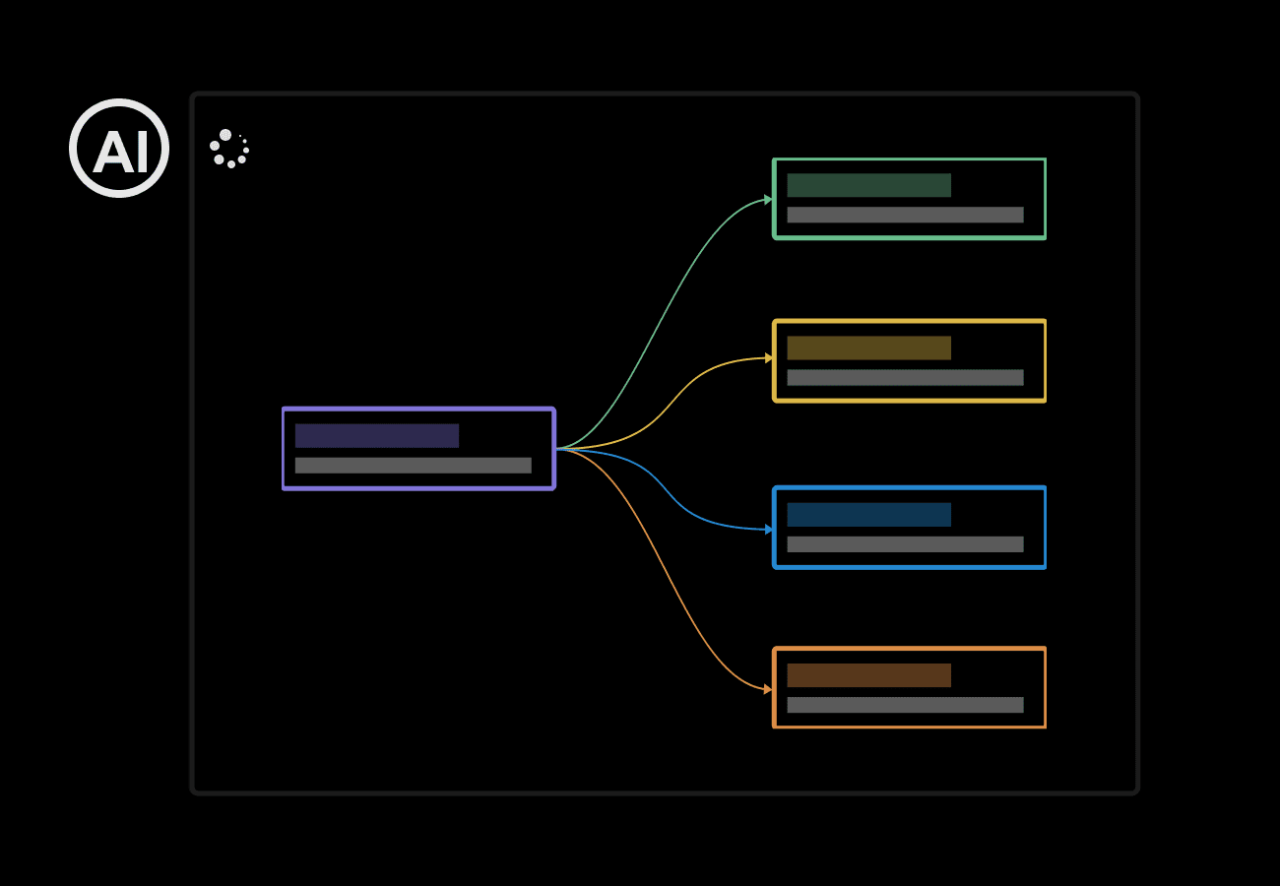
Tailoring AI-generated study guides to individual learning styles and needs is crucial for effective learning. This section details strategies for customizing and refining these guides to optimize the learning process. From adjusting the difficulty level to incorporating visuals, these techniques enhance understanding and retention.Refined study guides, crafted with specific learning needs in mind, provide a personalized learning experience.
By understanding the user’s learning preferences and modifying the generated content, the study guide can become a powerful tool for knowledge acquisition.
Customizing for Specific Learning Needs
Tailoring the study guide to match a learner’s specific needs involves understanding their learning preferences and strengths. This could include focusing on areas where the learner struggles, incorporating examples relevant to their interests, and providing practice questions aligned with the desired learning outcomes. Adapting the study guide based on the learner’s strengths and weaknesses maximizes the effectiveness of the learning process.
Refining Content for Clarity and Conciseness
Ensuring clarity and conciseness in the generated study guide is essential for efficient learning. This can be achieved through careful editing, restructuring of information, and removal of unnecessary details. By focusing on key concepts and using precise language, the learner can grasp the material effectively and efficiently.
Adjusting the Difficulty Level
The difficulty level of the study guide can be adjusted based on the learner’s existing knowledge and skill level. This might involve simplifying complex concepts, adding more examples for less-familiar topics, or incorporating supplementary materials for deeper understanding. Modifying the difficulty ensures that the guide is accessible and challenging enough to promote learning without overwhelming the learner.
Incorporating Visual Elements
Visual elements such as images and diagrams significantly enhance comprehension and engagement. Adding relevant images and diagrams can provide a visual representation of concepts, making them easier to understand and remember. The inclusion of these visual aids can improve knowledge retention by providing a multi-sensory learning experience. For example, a diagram of the human heart can illustrate its structure and function more effectively than a purely textual description.
Customization Options
This table Artikels various customization options for AI-generated study guides:
| Customization Option | Description |
|---|---|
| Difficulty Level | Adjusting the complexity of the content to match the learner’s existing knowledge and skill level. |
| Content Focus | Prioritizing specific concepts or topics based on the learner’s learning objectives. |
| Learning Style | Adapting the format and presentation of the content to suit different learning styles (e.g., visual, auditory, kinesthetic). |
| Visual Aids | Incorporating images, diagrams, and other visual elements to enhance comprehension. |
| Example Applications | Providing practical examples and real-world applications to illustrate abstract concepts. |
Evaluating and Improving Study Guides
Refining study guides is crucial for optimizing learning outcomes. A well-designed study guide acts as a roadmap, facilitating comprehension and retention. Thorough evaluation and targeted improvements ensure the guide’s effectiveness and relevance to the learner’s needs. This section details methods for assessing the quality of AI-generated study guides and implementing iterative improvements.
Methods for Evaluating Study Guide Effectiveness
Evaluating the effectiveness of a study guide involves multiple perspectives. Analyzing the structure and content is essential to understand how well the guide facilitates learning. Clarity, conciseness, and the logical flow of information are key indicators. Furthermore, user feedback plays a critical role in assessing the guide’s practical utility. Consider factors such as ease of understanding, the guide’s comprehensiveness, and the accuracy of the information presented.
Identifying Areas for Improvement
Identifying areas for improvement in a study guide often involves a systematic approach. Analyzing user feedback, identifying areas of confusion, and examining the logical flow of information are crucial steps. Consider whether the guide adequately covers the essential concepts, or if further explanations are needed in certain areas. The overall structure and presentation can also be evaluated for potential improvements.
Analyzing learner performance on assessments can also reveal areas where the guide may have gaps or inaccuracies.
Feedback Mechanisms for Continuous Improvement
Implementing feedback mechanisms is crucial for continuous improvement. Consider incorporating surveys, questionnaires, and focus groups to gather direct feedback from learners. Using online platforms to allow learners to provide feedback anonymously can encourage more candid responses. Analyzing learner performance on assessments and identifying common misconceptions can also provide valuable insight into areas requiring improvement. Integrating a system for tracking feedback and making adjustments based on these insights will establish a continuous improvement cycle.
Incorporating User Feedback into the Study Guide Creation Process
Incorporating user feedback is a critical component of iterative improvement. Regularly soliciting feedback through various channels allows for the study guide to adapt to the needs of the target audience. Analyzing the patterns and frequency of user feedback helps identify recurring issues or areas needing clarification. This data-driven approach ensures the study guide remains relevant and useful to the learner.
This iterative process ensures the study guide stays aligned with the target audience’s learning styles and needs.
Step-by-Step Process for Refining a Study Guide
A structured approach to refining a study guide based on user feedback is essential. A systematic process ensures that improvements are targeted and effective.
- Gather Feedback: Collect feedback from users through surveys, online forums, or direct interviews. Analyze the patterns and frequency of feedback to identify common issues.
- Identify Areas for Improvement: Based on the collected feedback, pinpoint areas where the study guide is lacking or causing confusion. Focus on recurring themes and patterns in the feedback.
- Prioritize Improvements: Rank the identified areas for improvement based on their impact on learner comprehension and retention. Prioritize the most critical areas for improvement first.
- Refine Content: Make necessary revisions to the study guide based on the prioritized areas. Clarify confusing sections, add more examples, or provide additional explanations where needed. Ensure the language used is clear, concise, and accessible.
- Test and Revise: Test the revised study guide with a small group of users to assess its effectiveness. Gather feedback and make further revisions based on the results. This iterative process ensures the study guide aligns with the learning needs and preferences of the target audience.
Real-World Applications and Examples

AI-powered study guides are rapidly gaining traction across various educational settings, offering personalized and adaptive learning experiences. These tools leverage sophisticated algorithms to tailor content to individual student needs and learning styles, potentially boosting comprehension and retention. This section explores practical applications of AI-generated study guides in diverse subjects and their impact on student learning outcomes.
Examples in Different Educational Settings
AI-generated study guides are proving useful in diverse educational contexts, ranging from traditional classrooms to online learning environments. Their adaptability allows for personalized learning paths, catering to varied learning styles and paces. In traditional classrooms, teachers can utilize these guides to create supplemental materials, ensuring students grasp complex concepts more effectively. Online learning platforms can integrate AI-powered study guides to provide targeted support to students working independently, helping them navigate the digital learning landscape.
Applications Across Subjects
AI tools excel at creating tailored study guides for various subjects. For instance, in history, AI can generate interactive timelines, highlighting key events and figures based on student-specific learning needs. In science, AI can produce detailed diagrams and simulations, simplifying complex biological processes or chemical reactions. In mathematics, AI can generate practice problems tailored to student weaknesses, providing focused support.
Successful Implementations
- In a high school history class, an AI-powered study guide helped students understand the intricacies of the American Revolution. The guide included interactive timelines, clickable maps, and summaries of key figures, enabling a deeper understanding of the historical context. The study guide was tailored to each student’s learning style and pace. Students who struggled with memorizing dates found the interactive timeline particularly helpful, improving their test scores by 15% compared to students in a control group using traditional study materials.
- A university-level biology course utilized an AI-generated study guide to explain complex cellular processes. The guide included interactive 3D models of cells, animations of protein synthesis, and practice quizzes. Students reported improved understanding of cellular biology after using the guide. This enhanced their performance in lab practical sessions, showcasing the impact of the AI-generated study guides on practical application of knowledge.
- An online math learning platform incorporated AI-generated study guides to address individual student needs. The platform analyzed student performance on practice problems and dynamically adjusted the difficulty level of subsequent exercises. This personalized approach resulted in improved student engagement and significantly higher test scores, especially among students who had previously struggled with mathematics.
Impact on Student Learning Outcomes
AI-powered study guides can positively impact student learning outcomes by providing targeted support and fostering personalized learning. Students gain a deeper understanding of complex concepts through interactive and engaging content tailored to their specific needs. Improved comprehension and retention of information contribute to better test scores and overall academic success.
Adaptability to Learning Styles
The adaptability of AI-generated study guides is a key strength. AI algorithms can identify a student’s preferred learning style (visual, auditory, kinesthetic) and adjust the presentation of information accordingly. For example, a visually oriented student might receive more diagrams and charts, while an auditory learner might be presented with audio summaries and explanations. This tailored approach enhances comprehension and fosters engagement, ultimately leading to better learning outcomes.
Ethical Considerations

Utilizing AI in study guide creation presents exciting possibilities, but also necessitates careful consideration of ethical implications. Ensuring accuracy, objectivity, and fairness are paramount to the responsible application of these technologies in education. Addressing potential biases and safeguarding intellectual property rights are crucial steps in fostering trust and ethical use.The ethical framework for AI-powered study guides must prioritize the well-being of learners and the integrity of educational processes.
This involves a commitment to unbiased information presentation and respect for intellectual property. These considerations ensure that AI tools support, rather than compromise, the quality and integrity of learning experiences.
Accuracy and Objectivity
AI systems rely on the data they are trained on. Inaccurate or biased data can lead to inaccurate or biased study guides. Thorough data validation and quality control measures are essential to mitigate this risk. Experts in the subject matter should review and validate AI-generated content to maintain accuracy and objectivity. A multi-step review process ensures that the information presented is not only correct but also appropriately contextualized for the target audience.
This process helps to maintain the credibility of the generated study guides.
Bias Mitigation
AI systems can inadvertently perpetuate existing societal biases if not carefully constructed and monitored. Bias in the training data can manifest as skewed representation of diverse viewpoints, potentially marginalizing certain groups or perspectives. Developing robust methods for detecting and mitigating bias is essential. Regular audits of training data and algorithms can identify potential biases and suggest corrective actions.
Furthermore, incorporating diverse perspectives in the development and review process is critical to producing unbiased study guides. Techniques like data augmentation and adversarial training can also help to reduce bias.
Intellectual Property Rights
Respecting intellectual property rights is crucial. AI models should be trained on appropriately licensed content, avoiding copyright infringement. Proper attribution and citation of sources are essential to ensure transparency and accountability. Clear licensing agreements for the use of AI-generated content must be established. A robust system for verifying the origin and authenticity of the data is critical.
Using open-source data and ensuring compliance with copyright laws are paramount to responsible use.
Responsible Use in Education
The responsible use of AI in education demands a thoughtful and ethical approach. Transparency about the AI’s role in generating study guides should be maintained. Clear guidelines should be established regarding the extent to which AI should be used in the creation of study guides. AI should be viewed as a tool to augment, not replace, human expertise in education.
Human oversight and review are essential components of this process. This ensures that the final product remains aligned with pedagogical best practices and ethical standards. Educators and developers should work together to create a framework for ethical and effective AI integration.
Final Summary
In conclusion, this guide has provided a thorough understanding of how to create impactful study guides with the assistance of AI. By carefully considering the various aspects discussed, from selecting appropriate tools to refining the generated content, you can create highly effective study materials. Remember the importance of ethical considerations and the potential for continuous improvement to ensure the highest quality study guides for optimal learning outcomes.