Effective deadline management is crucial for success in any project or endeavor. This comprehensive guide explores how Artificial Intelligence (AI) can revolutionize your approach to deadlines, streamlining tasks, optimizing schedules, and enhancing collaboration. From breaking down complex projects into manageable steps to predicting potential delays, AI offers a powerful toolkit for achieving on-time project completion. This guide delves into practical applications, providing actionable insights for diverse industries and individual needs.
We will explore various AI tools, comparing their features, pricing, and ease of use. The guide also examines strategies for seamlessly integrating AI into existing workflows, training AI to understand individual work styles, and adapting to changing deadlines and priorities. Furthermore, we will address potential challenges and limitations in implementing AI for deadline management, offering solutions to common problems.
Case studies of successful deadline management using AI will further illustrate the transformative power of this technology.
Introduction to Managing Deadlines with AI
Artificial intelligence (AI) is rapidly transforming various aspects of our lives, and deadline management is no exception. AI tools offer powerful capabilities to streamline tasks, prioritize projects, and ultimately, help individuals and teams meet deadlines more effectively. These tools leverage machine learning algorithms to analyze project data, predict potential delays, and suggest optimized strategies for time allocation.AI-powered deadline management tools provide a sophisticated approach to task organization, significantly reducing the likelihood of missed deadlines and improving overall project success.
By automating certain processes and offering insightful predictions, AI tools free up human resources to focus on higher-level strategic tasks.
AI Tools for Deadline Management
A variety of AI-powered tools can aid in managing deadlines. These tools range from simple task management apps with AI integrations to comprehensive project management platforms incorporating sophisticated AI features. These tools can significantly improve efficiency and reduce the risk of missed deadlines.
- Task Management Apps with AI Integrations: Many task management apps now incorporate AI features that help prioritize tasks, estimate completion times, and suggest deadlines based on past performance. These tools often utilize natural language processing (NLP) to understand user input and provide tailored recommendations. For example, if a user inputs “finish the report by next week,” the AI might suggest specific sub-tasks and deadlines for each component of the report.
- Project Management Platforms with AI Capabilities: More advanced project management platforms are integrating AI to assist with scheduling, resource allocation, and risk assessment. These tools can predict potential bottlenecks, suggest alternative solutions, and help teams stay on track by providing real-time updates and alerts. Examples include tools that analyze project dependencies and automatically adjust timelines based on evolving requirements.
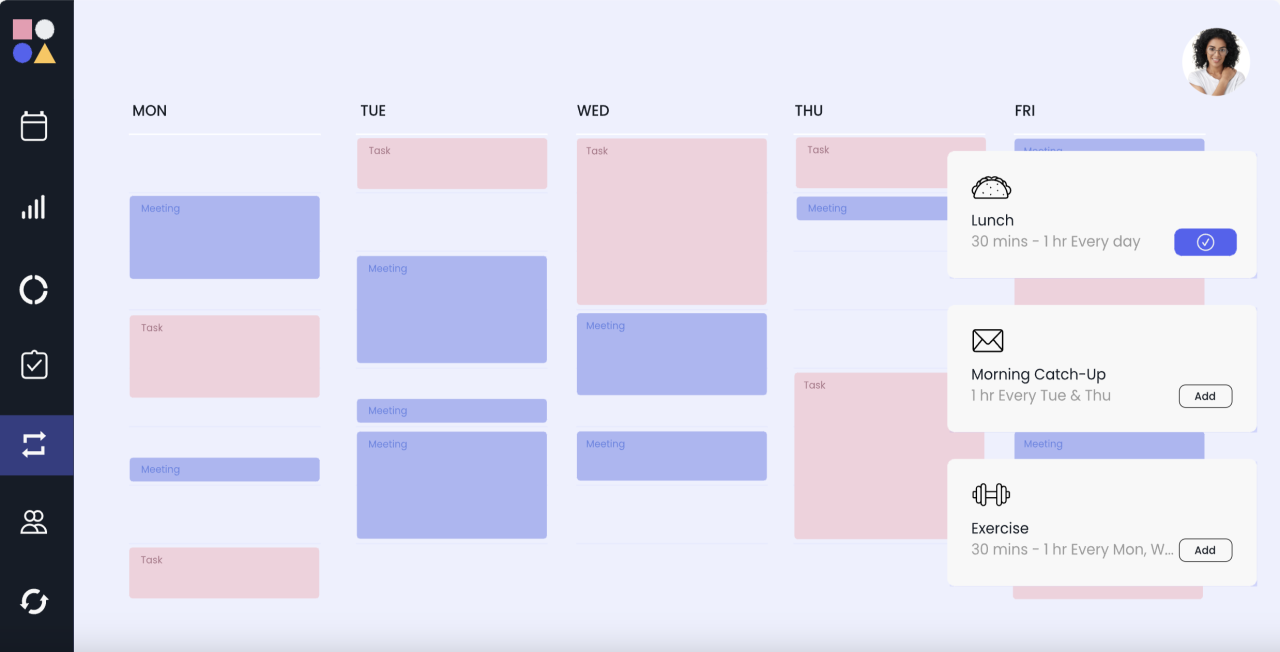
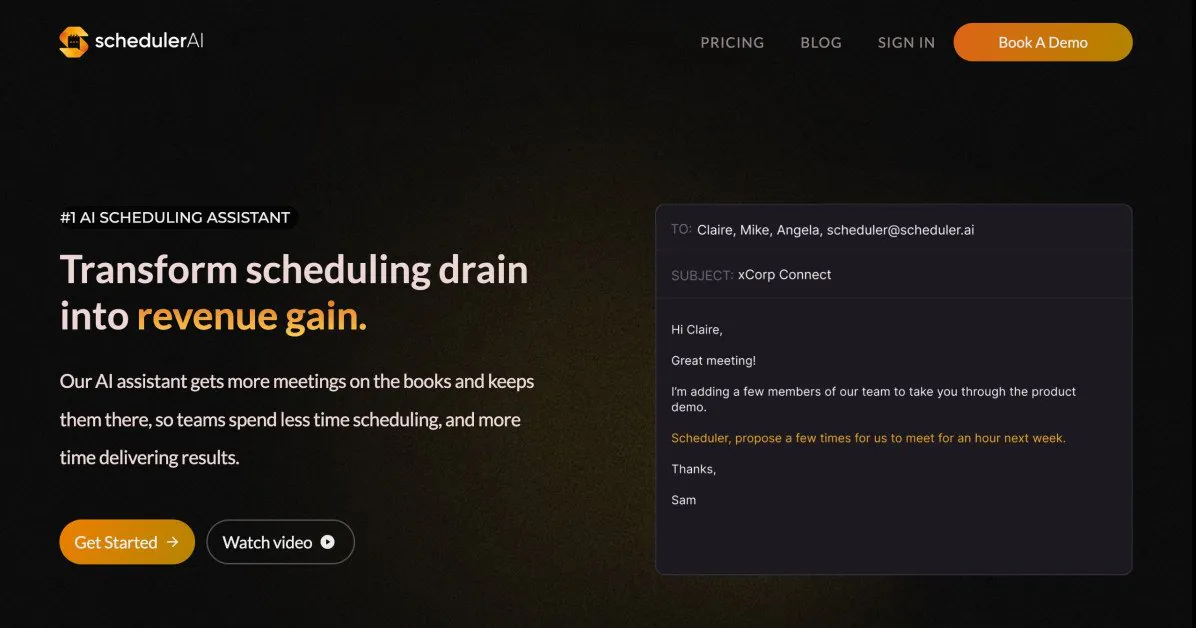
- AI-Powered Calendar Apps: AI-powered calendar applications can intelligently schedule meetings, manage appointments, and even offer suggestions for optimizing time allocation. These apps can analyze user schedules, predict potential conflicts, and suggest alternative time slots to minimize disruptions. For example, a calendar application can proactively suggest a meeting time that avoids conflicts with other appointments or tasks.
Benefits of Using AI for Deadline Management
Leveraging AI for deadline management offers a plethora of advantages, ultimately leading to improved productivity and project success.
- Enhanced Task Prioritization: AI can analyze task dependencies and urgency to establish a clear prioritization order, ensuring crucial tasks are tackled first. This proactive approach can significantly reduce the risk of overlooking important elements, leading to better project outcomes.
- Improved Time Estimation: AI algorithms can analyze historical data to provide more accurate estimates of task completion times, reducing the likelihood of over- or under-estimating time needed. This improved accuracy leads to more realistic project timelines.
- Proactive Risk Management: AI can identify potential delays or roadblocks before they occur, providing opportunities for proactive mitigation strategies. This predictive capability reduces the chance of project disruptions and keeps the project on track.
Comparison of AI Tools for Deadline Management
The following table provides a comparison of various AI tools for deadline management, considering features, pricing, and ease of use. This comparison can help users select the tool that best meets their specific needs and budget.
| Tool | Features | Pricing | Ease of Use |
|---|---|---|---|
| Task Management App A | Basic task management, AI-powered prioritization, time estimation | Free/Paid tiers | Easy |
| Project Management Platform B | Comprehensive project management, resource allocation, risk assessment | Paid, tiered pricing | Medium |
| AI-Powered Calendar C | Intelligent scheduling, conflict detection, time optimization | Free/Paid tiers | Easy |
AI-Powered Task Breakdown and Prioritization
Leveraging artificial intelligence for effective deadline management involves more than just setting reminders. AI can dissect complex projects into manageable components and prioritize them based on various factors, ultimately streamlining the workflow and increasing productivity. This empowers individuals to allocate their time and resources strategically, ensuring timely project completion.AI excels at analyzing tasks and identifying crucial subtasks. By understanding the intricate dependencies and relationships within a project, AI can create a hierarchical breakdown, enabling a clear visual representation of the project’s components.
This meticulous decomposition significantly enhances the user’s understanding of the scope of the project and facilitates more effective resource allocation.
AI-Driven Task Decomposition
AI algorithms can analyze project descriptions, requirements, and dependencies to automatically generate a structured task breakdown. This process transforms a large, overwhelming task into a series of smaller, more manageable subtasks. This not only reduces mental load but also facilitates a more granular and precise approach to project management.
Task Prioritization Based on Deadlines and Importance
AI tools can effectively prioritize tasks by considering factors like deadlines, dependencies, and task urgency. This prioritization is based on a combination of established deadlines and an assessment of the task’s importance within the overall project scope. AI algorithms can dynamically adjust priorities as deadlines shift or new information becomes available. For example, if a crucial subtask experiences an unexpected delay, the AI can quickly re-evaluate the priority of other tasks to maintain the project’s overall timeline.
Customizable Task Lists for Individual Needs
AI can adapt to individual work styles and preferences by creating customized task lists. For instance, an individual who prefers a more visual approach to task management might benefit from a Kanban-style task list generated by the AI. Alternatively, an individual who prefers a more structured approach might receive a detailed Gantt chart outlining the tasks and their dependencies.
This personalization ensures the task list aligns with the user’s specific needs and working style. The AI can learn and adapt to the user’s preferences over time, continuously refining the task list to optimize workflow.
Comparison of Task Management Methods and AI Integration
| Task Management Method | Efficiency | Suitability for AI Integration | Example Use Case |
|---|---|---|---|
| Traditional to-do lists | Moderate | High | Simple tasks with clear deadlines, like scheduling appointments. |
| Gantt charts | High | Very High | Complex projects with interdependencies, like software development. |
| Kanban boards | High | High | Projects requiring visual representation of workflow and progress, like content creation. |
| Project Management Software | High | Very High | Large-scale projects involving multiple team members, like marketing campaigns. |
This table illustrates the varying levels of efficiency and suitability for AI integration across different task management methods. The adaptability of AI allows for its seamless integration into existing workflow processes, maximizing efficiency and reducing the time spent on manual task management.
AI for Scheduling and Time Management

Leveraging AI for time management empowers individuals and teams to optimize their schedules and achieve goals effectively. By intelligently scheduling tasks and meetings, considering existing commitments, AI can streamline workflows and reduce wasted time. This approach allows for a more focused and productive work environment.AI-powered scheduling tools can analyze your calendar, tasks, and priorities to create optimal schedules, minimizing conflicts and maximizing efficiency.
This capability is especially beneficial for individuals with demanding schedules, as AI can proactively identify potential scheduling conflicts and suggest alternative arrangements.
Intelligent Task Scheduling and Meeting Management
AI can analyze your existing commitments and deadlines to intelligently schedule tasks and meetings. This involves considering your working hours, other appointments, and task dependencies. Sophisticated algorithms can identify optimal scheduling windows and suggest the best time for specific tasks or meetings, leading to a smoother workflow. For example, AI can suggest a meeting time that works for all attendees, avoiding scheduling conflicts.
Optimizing Time Allocation for Individual Tasks
AI can help optimize the time allocation for individual tasks by analyzing historical data on similar tasks. This data-driven approach helps estimate the realistic time needed to complete tasks, thereby preventing over-estimation and under-estimation of time allocation. Tools can then adjust deadlines accordingly based on the predicted time required. For instance, if a similar report took an average of 10 hours to complete, the AI might suggest a deadline that accounts for this typical duration.
Setting Realistic Deadlines with AI Assistance
Setting realistic deadlines is crucial for effective time management. AI can assist in this process by providing data-driven insights into task completion times. By analyzing historical data and current workload, AI tools can predict the realistic time required to complete a task. This approach enables more accurate and effective deadline setting, reducing stress and improving the chances of meeting deadlines.
Consider a project manager using AI to forecast project completion dates, considering factors such as team member availability, task complexity, and dependencies.
Time Management Techniques and AI Integration
A well-structured approach to time management involves a variety of techniques, each with its own strengths. AI tools can be integrated to enhance the effectiveness of these techniques.
| Time Management Technique | Description | AI Tool Integration |
|---|---|---|
| Time Blocking | Allocating specific blocks of time for particular tasks or activities. | AI can help optimize the time blocks by considering task complexity and dependencies, automatically adjusting the schedule. |
| The Eisenhower Matrix | Prioritizing tasks based on urgency and importance. | AI can analyze task descriptions and dependencies to assist in prioritizing tasks according to the Eisenhower Matrix principles. |
| Pomodoro Technique | Working in focused intervals with short breaks. | AI can automatically schedule the Pomodoro intervals and breaks, prompting users with reminders. |
| Pareto Principle (80/20 Rule) | Focusing on the 20% of tasks that yield 80% of the results. | AI can analyze task completion history to identify high-impact tasks and suggest prioritizing them. |
| Two-Minute Rule | Completing tasks that take less than two minutes immediately. | AI can automatically identify and flag tasks that fit the two-minute rule, prompting users to complete them. |
AI for Communication and Collaboration
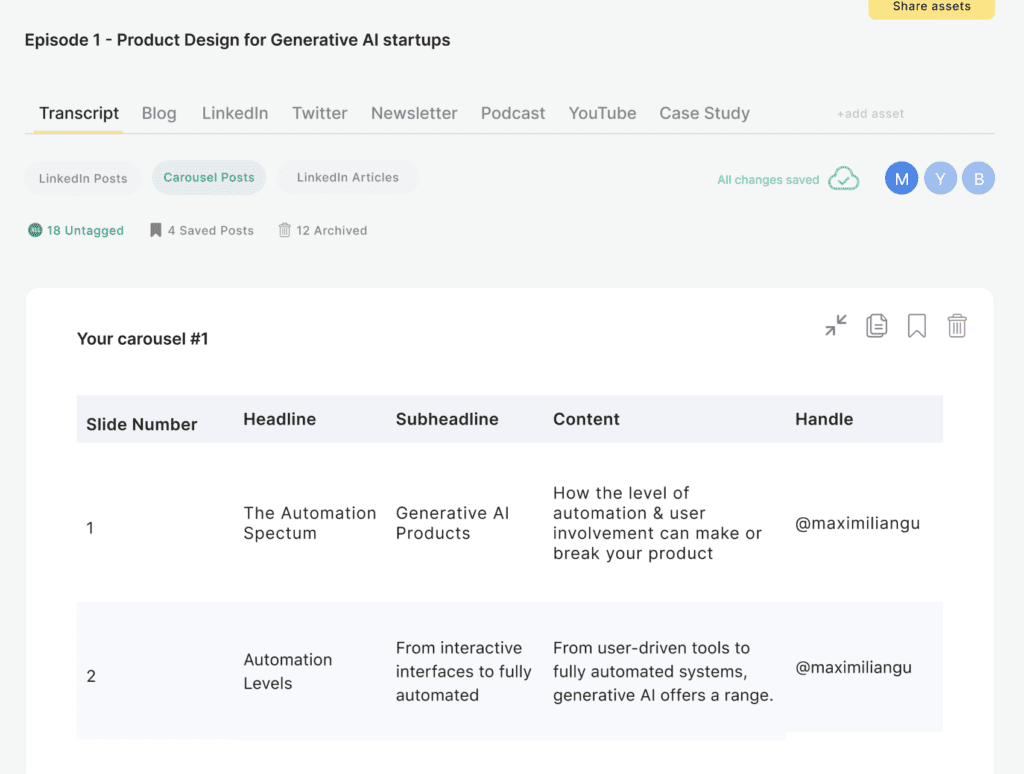
Leveraging artificial intelligence (AI) can significantly streamline communication and collaboration within project teams, ensuring projects are completed on time and within budget. AI tools can automate tedious tasks, provide insightful project updates, and foster a more efficient workflow, ultimately leading to greater project success.AI’s ability to interpret and synthesize information, combined with its capacity for automation, allows for more effective communication, leading to enhanced team collaboration and project success.
This includes timely notifications, clear progress reports, and streamlined interaction between team members.
Facilitating Communication Regarding Deadlines and Project Updates
AI platforms can automatically generate and send notifications regarding upcoming deadlines and project milestones. This proactive approach minimizes the risk of missed deadlines and ensures everyone remains informed about project progress. Furthermore, AI can translate messages and documents, breaking down communication barriers between team members with different linguistic backgrounds.
Automating Reminders and Notifications Related to Deadlines
Automated reminders are crucial for keeping teams on track. AI can send customized reminders based on individual tasks and deadlines, ensuring that no one misses a critical update or a looming deadline. These reminders can be delivered via email, instant messaging, or even through dedicated project management software, making sure that relevant information reaches the correct individuals. For instance, an AI system can send a gentle reminder to a team member one week before a key deliverable is due.
Improving Collaboration with Team Members to Ensure On-Time Project Completion
AI-powered collaboration tools can facilitate seamless communication between team members. These tools can track progress on shared documents, identify potential bottlenecks, and propose solutions to address them. AI can also suggest appropriate communication channels based on the nature of the message, promoting efficiency and clarity in project discussions. For example, an AI tool could suggest using a video call for a complex issue rather than an email exchange.
Creating Detailed Progress Reports That Include Deadline Information
AI can generate detailed progress reports that include project deadlines, milestones, and individual task completion statuses. These reports can be customized to provide a high-level overview of project progress or delve into specific areas requiring attention. This comprehensive reporting allows for easy monitoring of project health and enables timely intervention to address any issues that might arise. The reports can be generated in various formats, from simple summaries to interactive dashboards, offering different perspectives on the project’s progress.
For example, a report might highlight tasks that are behind schedule, allowing for proactive adjustments and intervention.
AI for Identifying and Mitigating Potential Delays
Leveraging AI for project management allows for proactive identification and mitigation of potential delays, enhancing efficiency and predictability. By analyzing vast amounts of data, AI can identify patterns and predict potential roadblocks, empowering project managers to make informed decisions and proactively address issues before they escalate. This approach ensures projects stay on track and are delivered on time, minimizing the risk of costly delays.AI’s predictive capabilities are invaluable in the realm of project management, providing insights into potential delays and allowing for proactive measures to be taken.
This proactive approach enables project teams to adjust plans, allocate resources effectively, and maintain project momentum. By anticipating challenges, project managers can avoid the often-disruptive and costly consequences of unanticipated delays.
Identifying Potential Roadblocks
AI can analyze numerous factors to identify potential roadblocks. These factors encompass resource availability, task dependencies, historical project data, external factors (market fluctuations, supply chain disruptions), and team member performance trends. By integrating various data sources, AI can provide a holistic view of potential project risks, pinpointing specific areas that might cause delays. For example, if a project relies on a specific vendor, AI can identify potential delays in the vendor’s supply chain based on past performance data and current market conditions.
Predicting and Preventing Project Delays
AI’s ability to predict potential delays stems from its capacity to analyze historical data and identify patterns associated with past project delays. This allows for the prediction of similar delays in future projects. By analyzing variables like task durations, resource allocation, and communication patterns, AI can generate forecasts that highlight potential delays. For instance, a project involving software development might exhibit a pattern of delays linked to specific coding stages.
AI can identify this pattern and alert the team to potential delays in those stages, allowing for proactive measures to be implemented, such as adjusting timelines or reallocating resources.
Analyzing Historical Data for Improved Deadline Management
Historical project data is crucial for enhancing deadline management. AI algorithms can identify trends and patterns within this data to predict future delays and improve the accuracy of deadline estimations. The analysis can consider factors like task dependencies, resource availability, and communication patterns, enabling the identification of common causes of delays in past projects. By leveraging this historical information, project managers can anticipate potential issues and make informed decisions to avoid similar problems in the future.
This analysis helps create more realistic deadlines, reduce the likelihood of missed deadlines, and improve project success rates.
AI-Powered Delay Prediction Methods and Accuracy
| Method | Description | Accuracy (Estimated Range) | Strengths | Limitations |
|---|---|---|---|---|
| Machine Learning (Regression Models) | Predicts delays based on historical data and identified patterns. | 60-85% | Good at identifying trends and patterns, relatively easy to implement. | Accuracy depends heavily on the quality and quantity of historical data. |
| Predictive Analytics (Time Series Analysis) | Uses historical data to forecast future trends and potential delays in project timelines. | 70-90% | Captures temporal dependencies, useful for identifying cyclical patterns. | Requires substantial historical data to produce accurate forecasts. |
| Expert Systems (Rule-Based) | Combines domain expertise with AI to predict delays based on predefined rules and conditions. | 65-80% | Useful for projects with well-defined and repeatable processes. | May not adapt well to new or complex situations. |
AI-powered delay prediction methods offer a range of accuracy, influenced by factors such as data quality and complexity of the project.
Integrating AI Tools into Existing Workflow
Seamlessly integrating AI tools into your existing project management workflow can significantly enhance your deadline management capabilities. This integration allows AI to leverage your existing processes and data, leading to more efficient and accurate deadline estimations and adjustments. By customizing AI tools to understand your team’s specific processes, you can streamline workflows and reduce the risk of missed deadlines.Integrating AI tools into your existing project management software typically involves a few key steps.
These tools often offer APIs or integrations with popular platforms, enabling data exchange and automation. This facilitates the seamless flow of information between your current systems and the AI tools.
Configuration for Specific Deadline Management Needs
AI tools can be configured to analyze specific project data, such as task dependencies, resource allocation, and historical completion times. By inputting this data, AI algorithms can provide tailored deadline recommendations and forecasts. For example, an AI tool can analyze project dependencies and predict potential delays based on the completion time of previous tasks.
Training AI Tools to Understand Individual Work Styles
Customizing AI tools to reflect individual work styles is crucial for effective deadline management. This involves providing the AI with data about your team members’ typical task completion times, preferred work patterns, and potential distractions. This data can be collected through time tracking tools, project management software, or directly from team members. The more detailed the data, the more accurate the AI’s predictions and recommendations become.
Examples of AI Tool Adaptation to Changes in Deadlines or Priorities
AI tools excel at adapting to changes in deadlines or priorities. For instance, if a critical task’s deadline is moved forward, the AI can immediately re-evaluate the project schedule, adjusting task dependencies and deadlines accordingly. This automated adjustment minimizes disruption and keeps the project on track. Furthermore, if a higher-priority task emerges, the AI can automatically re-prioritize tasks, ensuring that critical activities receive the necessary attention and resources.
These adaptations can be crucial in maintaining project momentum and meeting revised deadlines. Real-world examples include project management platforms like Asana, Trello, or Monday.com, which frequently incorporate AI-powered features for task prioritization and deadline management.
AI-Powered Tools and Techniques for Specific Industries
Leveraging AI for deadline management offers tailored solutions across diverse industries. This section explores how AI can be adapted to address the unique challenges of specific sectors, from healthcare’s intricate timelines to finance’s stringent regulatory requirements. By understanding the specific tasks and pressures within each industry, AI can streamline processes, reduce delays, and ultimately improve overall productivity.
Healthcare Industry Applications
AI tools can significantly enhance deadline management in healthcare by automating tasks like appointment scheduling, medication reminders, and report generation. These tools can also predict potential delays in patient care based on factors like physician availability, lab test turnaround times, and patient appointment patterns. For instance, AI-powered scheduling systems can proactively adjust schedules to accommodate unforeseen delays, ensuring patients receive timely care.
The ability to anticipate and address potential bottlenecks can prevent missed deadlines for critical procedures and treatments.
Finance Industry Applications
In the finance sector, AI can be instrumental in managing deadlines related to regulatory reporting, financial analysis, and investment portfolio management. AI can automate the process of gathering and compiling data for reports, ensuring accuracy and adherence to strict deadlines. Real-time market analysis powered by AI can identify potential risks and opportunities, allowing for proactive adjustments to investment strategies and preventing missed deadlines due to market volatility.
The use of AI in compliance checks can help meet strict regulatory deadlines, reducing the risk of penalties.
Education Industry Applications
The educational sector benefits from AI-driven tools that automate administrative tasks and personalize learning experiences. AI-powered platforms can manage deadlines for assignments, projects, and grading, freeing up instructors’ time to focus on student interaction and personalized support. AI can also analyze student performance data to predict potential delays or struggles, enabling proactive intervention to ensure timely completion of coursework.
For example, AI-powered tools can help students track their progress towards deadlines and provide timely reminders.
Table: AI Tools for Deadline Management in Different Industries
| Industry | Typical Tasks | Appropriate AI Tools |
|---|---|---|
| Healthcare | Appointment scheduling, medication reminders, report generation, predicting delays in patient care | AI-powered scheduling systems, predictive analytics tools, automated reminders |
| Finance | Regulatory reporting, financial analysis, investment portfolio management, compliance checks | Automated data compilation tools, real-time market analysis tools, AI-powered compliance checkers |
| Education | Managing deadlines for assignments, projects, grading, analyzing student performance | AI-powered platforms for task management, personalized learning platforms, predictive analytics for student performance |
Overcoming Challenges in Implementing AI for Deadlines
Implementing AI tools for deadline management promises significant efficiency gains, but potential obstacles exist. Understanding these challenges and developing strategies to address them is crucial for successful integration. Careful planning and proactive problem-solving are essential for navigating the complexities of adopting new technologies.
Potential Obstacles and Limitations
AI tools, while powerful, are not without limitations. Data quality is paramount for accurate predictions and effective task prioritization. Insufficient or inaccurate data can lead to flawed analyses and inappropriate recommendations. Moreover, the complexity of real-world projects often surpasses the capabilities of current AI algorithms. Situations involving ambiguity, unforeseen events, or creative problem-solving might require human intervention to ensure optimal outcomes.
Furthermore, the specific requirements of various industries may necessitate customized AI solutions to effectively integrate with existing workflows. Finally, the reliance on AI tools for decision-making can sometimes lead to a lack of human oversight, potentially creating vulnerabilities in critical processes.
Solutions to Common Integration Problems
Effective integration requires a thoughtful approach. Ensuring high-quality data input is crucial. Robust data validation and cleansing procedures can mitigate the impact of inaccurate information. AI tools should be used as supportive resources, augmenting, not replacing, human judgment. Clear guidelines and training programs for users are essential to facilitate a smooth transition and optimize the use of AI tools.
Furthermore, continuous monitoring and evaluation of AI performance are necessary to identify and rectify any shortcomings. This iterative approach ensures the AI system adapts to evolving project needs.
Addressing User Resistance and Concerns
User resistance to new technologies is a common challenge. Transparent communication about the benefits of AI tools, focusing on increased efficiency and improved outcomes, is vital. Demonstrating the value proposition through practical examples and case studies can build trust and alleviate concerns. Emphasizing the collaborative nature of AI tools, highlighting how they augment, rather than replace, human expertise, is also important.
Providing ample opportunities for training and support can help users feel more comfortable and confident in using the AI tools.
Table of Challenges and Strategies
| Challenge | Strategy |
|---|---|
| Data Quality Issues | Implement robust data validation and cleansing procedures; establish clear data entry protocols; utilize data visualization tools to identify and correct inconsistencies. |
| Lack of Transparency in AI Recommendations | Provide clear explanations of AI decision-making processes; develop dashboards that illustrate the reasoning behind AI-generated schedules and priorities. |
| Complexity of Real-World Projects | Use AI as a supporting tool, complementing human judgment and oversight; incorporate feedback loops to adapt AI algorithms to project specifics. |
| User Resistance to AI Tools | Offer comprehensive training programs; highlight the benefits of AI tools with concrete examples; encourage open communication and feedback from users. |
| Integration with Existing Workflows | Analyze current workflows and identify areas for optimization; customize AI tools to fit specific industry requirements; develop a phased approach to integration. |
Case Studies of Successful Deadline Management with AI
AI is rapidly transforming project management, and a growing number of organizations are leveraging AI tools to enhance deadline adherence and overall project efficiency. This section explores several successful case studies, highlighting the tangible benefits of AI-driven deadline management. These real-world examples showcase how AI can streamline processes, improve resource allocation, and ultimately contribute to successful project completion.AI-powered systems are proving valuable in predicting potential delays and proactively adjusting schedules, thereby mitigating risks and maximizing project outcomes.
By analyzing historical data, identifying patterns, and assessing potential bottlenecks, AI can often forecast challenges well in advance, enabling timely interventions and adjustments. This proactive approach translates into improved project predictability and reliability.
Project Example: Software Development
Implementing AI for deadline management in software development projects can significantly improve the predictability and reliability of project timelines. A software development company, “InnovateTech,” used an AI-powered platform to track project tasks, analyze dependencies, and predict potential delays based on historical data and team member performance.
- The platform analyzed task dependencies and predicted potential delays due to resource constraints or unforeseen technical issues.
- By identifying potential bottlenecks early, InnovateTech could proactively adjust schedules and allocate resources effectively.
- The company saw a 15% reduction in project completion times and a 10% improvement in on-time delivery rates.
- This resulted in a substantial reduction in project costs associated with late deliveries and rework.
Project Example: Manufacturing
AI can optimize production schedules in manufacturing by analyzing various factors, including machine downtime, material availability, and labor capacity. A manufacturing company, “PrecisionCorp,” used AI to predict potential production delays and adjust schedules accordingly.
- The AI system monitored machine performance and predicted potential downtime, enabling proactive maintenance scheduling.
- By analyzing historical data on material availability and delivery times, the system identified potential supply chain disruptions.
- This allowed PrecisionCorp to adjust production schedules and order materials in advance, preventing delays.
- Consequently, the company reduced material waste and saw a 20% improvement in the overall on-time production rate.
Project Example: Marketing Campaign
In marketing campaigns, AI can assist in predicting campaign performance and optimizing resource allocation to meet deadlines. A marketing agency, “AdSpark,” used an AI tool to forecast campaign performance based on historical data and market trends.
- The AI tool analyzed campaign performance data and predicted potential delays in achieving marketing objectives.
- By identifying potential issues early, AdSpark could proactively adjust the campaign strategy and allocate resources more effectively.
- This proactive approach allowed the agency to maintain the scheduled campaign launch dates and deliver the expected results.
- The marketing campaign saw a 12% increase in customer engagement and a 10% rise in lead generation, all within the scheduled time frame.
Ending Remarks
In conclusion, this guide has demonstrated how AI can significantly improve deadline management, leading to enhanced productivity and efficiency. By leveraging AI tools and techniques, individuals and organizations can streamline their workflows, anticipate and mitigate potential delays, and ultimately achieve better project outcomes. The benefits extend across diverse industries, offering customized solutions to specific deadline challenges. We encourage you to explore the practical applications and actionable strategies Artikeld to harness the potential of AI in your own deadline management process.