Unlocking the power of AI to enhance your practice question answering skills is now possible. This guide provides a comprehensive approach to leveraging AI tools for effective learning and improvement across various subjects.
From understanding different question types to structuring information for AI processing, this resource covers the entire process. Learn how to analyze practice questions, identify areas for improvement, and ultimately, achieve mastery through AI-assisted learning.
Understanding Practice Questions
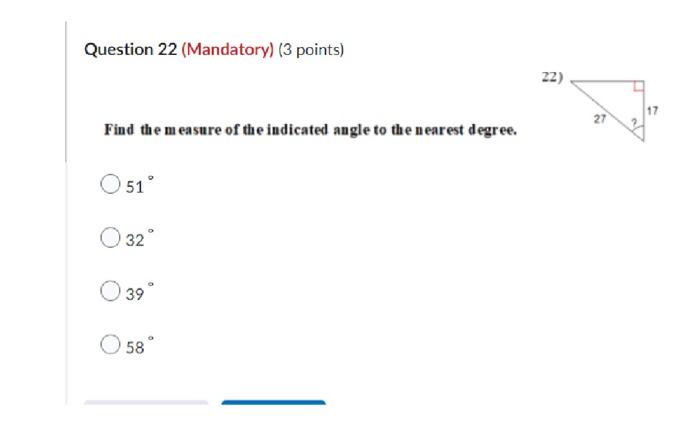
Practice questions are integral to effective learning and skill development. They provide a structured way to reinforce knowledge, identify knowledge gaps, and build confidence in applying learned concepts. By engaging with diverse question formats and subjects, learners can strengthen their understanding and retention of information. This section delves into the significance of practice questions, exploring various types, and providing examples across different disciplines.Understanding the nuances of different question types is crucial for maximizing the effectiveness of practice sessions.
Effective practice questions are designed to challenge learners without overwhelming them, promoting a deeper understanding of the subject matter.
Different Types of Practice Questions
Practice questions come in various formats, each designed to assess different cognitive skills. Understanding these formats is key to choosing the most effective approach for learning. Different question types are tailored to evaluate comprehension, application, and critical thinking skills.
- Multiple Choice Questions (MCQs): MCQs present a question with several possible answers, requiring the learner to select the correct one. They are widely used due to their efficiency in assessing a broad range of knowledge. Examples include questions testing factual recall in history or scientific principles in physics.
- Short Answer Questions: These questions require a concise response, often focusing on factual recall, definitions, or explanations. They promote a deeper understanding than MCQs by demanding more active recall and concise articulation. For example, a short answer question in math might ask for the formula for calculating the area of a circle. Similarly, in literature, it could ask to identify the main theme of a particular poem.
- Essay Questions: Essay questions delve into complex concepts and require a more comprehensive response, typically involving analysis, interpretation, and synthesis. They are valuable in assessing higher-order thinking skills, critical analysis, and the ability to articulate arguments supported by evidence. For instance, an essay question in history might ask to compare and contrast the causes of two different historical events.
- Problem-Solving Questions: These questions require learners to apply their knowledge and skills to solve a specific problem. They are common in mathematics, science, and engineering, and assess the ability to analyze, reason, and solve complex issues. An example in mathematics would be a word problem involving applying geometric principles to determine an unknown length.
- Fill-in-the-Blank Questions: These questions provide a partially completed sentence or statement, requiring learners to supply the missing information. These are beneficial for reinforcing specific vocabulary or factual recall. A history example would be a fill-in-the-blank question about a key event’s participants.
Importance of Practice Questions in Skill Development
Regular engagement with practice questions significantly contributes to skill development and knowledge retention. Consistent practice strengthens memory, improves problem-solving abilities, and fosters a deeper understanding of the subject matter. The act of actively recalling information and applying learned concepts enhances the learning process.
Characteristics of Effective Practice Questions
Effective practice questions possess several key characteristics that maximize learning. These questions are carefully designed to measure understanding, not just rote memorization.
- Clarity and Specificity: Questions should be unambiguous and clearly define the desired response. Vague questions lead to ambiguous answers and hinder accurate assessment of learning.
- Relevance to Curriculum: Questions should align with the learning objectives and curriculum standards. Questions should test concepts directly taught in the learning material.
- Variety in Format: Using different question formats helps learners engage with the material from multiple perspectives, strengthening their understanding.
- Appropriate Difficulty Level: Questions should challenge learners without being overly difficult or too easy, encouraging effort and promoting mastery.
Comparing Question Types
The following table provides a comparative overview of various question types.
| Question Type | Format | Cognitive Level | Example |
|---|---|---|---|
| Multiple Choice | Select the correct answer from options | Knowledge, Comprehension | Which of the following is the capital of France? |
| Short Answer | Concise written response | Comprehension, Application | Define photosynthesis. |
| Essay | Extended written response | Analysis, Synthesis, Evaluation | Discuss the impact of the Industrial Revolution on society. |
| Problem-Solving | Applying concepts to solve a problem | Application, Analysis | Calculate the area of a triangle with base 10 and height 5. |
Leveraging AI for Question Analysis
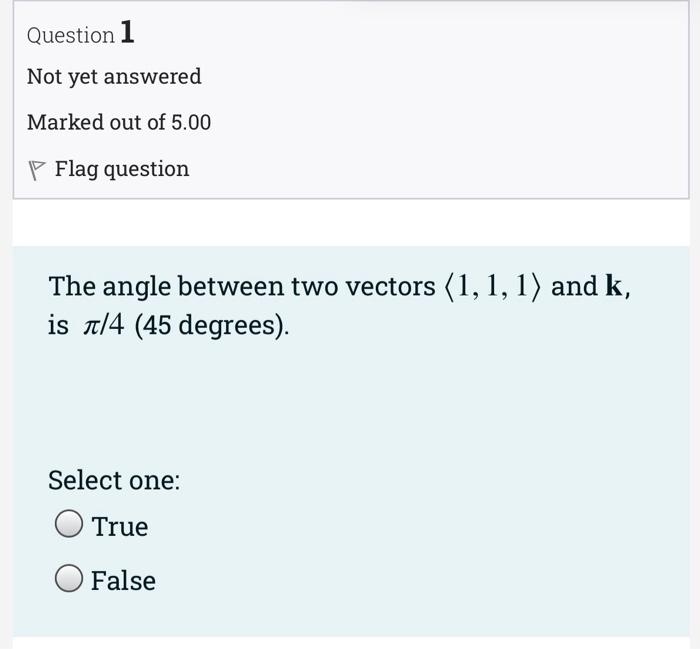
AI offers a powerful toolset for enhancing the quality and effectiveness of practice questions. By analyzing existing questions and generating new ones, AI can significantly improve the learning experience. This approach can help identify areas needing improvement and tailor practice to individual student needs. This section delves into how AI can assess the quality of practice questions, its limitations, and how to mitigate potential biases.AI can evaluate the quality of practice questions through various metrics.
Sophisticated algorithms can assess the clarity and precision of language used in the questions, ensuring they are easily understood by the target audience. Furthermore, AI can analyze the depth and scope of the questions, ensuring they adequately cover the material and assess a range of skills.
Assessing Question Quality
AI tools can automatically analyze the linguistic complexity of questions, identifying areas where the wording might be ambiguous or confusing. By quantifying factors such as sentence length and vocabulary, AI can flag potential issues in clarity and comprehension. AI can also assess the alignment of questions with learning objectives, ensuring they accurately target the desired skills and knowledge.
Moreover, AI can analyze the range of difficulty levels present in a question bank, ensuring a balanced distribution for effective practice.
Strengths and Weaknesses of AI Analysis
AI excels at identifying patterns and inconsistencies in large datasets of practice questions. Its ability to process vast amounts of text quickly and efficiently allows for comprehensive analysis. However, AI lacks the nuanced understanding of context and intent that a human evaluator possesses. AI might not always grasp the subtleties of the questions or the potential for misinterpretations, especially in questions requiring critical thinking or judgment.
For example, an AI might identify a question as grammatically correct but fail to detect that the question is leading or presents an unfair bias.
Methods for Evaluating Accuracy and Clarity
To evaluate the accuracy and clarity of practice questions using AI, one can employ various techniques. AI can be used to compare the question with established subject matter expertise, ensuring the content is factually correct. The use of natural language processing (NLP) can help to identify potential ambiguities or areas of confusion in the wording. By analyzing multiple perspectives on the question, AI can assess the potential for misinterpretation.
Using feedback from a diverse group of learners can also inform the evaluation process. For example, AI can aggregate learner responses to assess the degree of understanding and difficulty presented by a particular question.
Identifying Potential Biases
AI can assist in identifying potential biases in practice questions, but it is not foolproof. AI can be trained to detect biases based on pre-programmed criteria, such as identifying language that might disadvantage certain demographic groups. However, AI may struggle with more subtle or implicit biases. AI may also miss biases embedded in the underlying knowledge base used to generate the questions.
For example, an AI trained on predominantly Western educational materials may inadvertently present a skewed perspective in its generated questions.
Generating Questions Based on Objectives
AI can be instrumental in generating practice questions based on specific learning objectives. AI can draw on a large knowledge base to create questions that align precisely with the targeted skills and concepts. AI can be programmed to generate a variety of question types, including multiple choice, short answer, and essay questions. This tailored approach to question creation can significantly enhance the learning experience.
For instance, AI can be used to generate questions focusing on specific problem-solving strategies, ensuring the practice reinforces the intended learning outcomes.
Strategies for Answering Practice Questions with AI Assistance
Effective use of AI tools can significantly enhance your performance in answering practice questions. By understanding the strengths and limitations of AI, you can leverage its capabilities to gain a deeper understanding of the subject matter and improve your problem-solving skills. This approach empowers you to not just find answers, but to comprehend the underlying concepts.This section details structured strategies for utilizing AI to analyze practice questions and solve problems effectively.
It emphasizes techniques for comprehending complex questions and highlights the comparative advantages of different AI-assisted approaches.
Structuring Your AI-Assisted Approach
A structured approach is crucial for leveraging AI effectively. Clearly defining your objectives and the specific AI tools you intend to use is paramount. This involves recognizing the type of question (e.g., multiple choice, short answer, problem-solving) and the corresponding AI capabilities. A step-by-step methodology is highly beneficial in ensuring efficiency and accuracy.
Effective Strategies for AI-Based Question Analysis
A systematic approach to question analysis is vital. Begin by meticulously identifying the key concepts and s within the question. Then, leverage AI tools to explore related concepts and definitions, ensuring a comprehensive understanding of the problem. Analyze the structure of the question to identify the underlying principles or formulas involved. Critically evaluate the AI’s output to identify potential errors or biases.
Steps to Solve Practice Problems with AI
A step-by-step approach to utilizing AI for solving practice problems can significantly improve the learning process. First, carefully formulate the problem and provide relevant context to the AI. Next, use AI tools to identify the core concepts and potential solutions. Then, critically analyze the AI’s suggestions and evaluate their accuracy. Finally, synthesize the AI’s output with your own understanding to develop a well-reasoned answer.
Understanding Complex Questions
Complex questions often require a multifaceted approach. Break down complex questions into smaller, more manageable parts. Identify the core concepts and s within each segment, and use AI to explore related information. This allows you to focus on specific components of the question, improving your understanding and solution development. Leverage AI to understand the interrelationships between different concepts and identify potential connections.
For example, if a question involves a combination of economic and political theories, AI can help you link the two by providing relevant information from both domains.
Comparing and Contrasting AI-Assisted Approaches
Various AI tools and techniques can be used for analyzing practice questions. Compare and contrast different AI approaches to determine which best aligns with your learning style and the specific requirements of the questions. For example, consider whether a question-answering model, a language model, or a problem-solving tool is most suitable for a given type of question. Analyzing the strengths and weaknesses of each tool can help you choose the most effective approach.
Different AI models excel in different domains.
Enhancing Understanding through AI-Driven Analysis
AI tools offer valuable assistance in analyzing practice questions and identifying areas for improvement. By leveraging AI, students can gain a deeper understanding of their strengths and weaknesses, ultimately fostering more effective learning strategies. This analysis can pinpoint specific concepts that require further attention, leading to a more personalized and targeted approach to studying.AI-powered feedback extends beyond simple correctness, providing insightful commentary on the reasoning behind answers.
This allows for a more nuanced understanding of the underlying concepts, empowering students to grasp the “why” behind the “what.” This deep analysis is crucial for long-term retention and application of knowledge.
Identifying Areas of Weakness in Practice Question Answers
AI can pinpoint specific knowledge gaps by comparing student responses to correct answers and identifying recurring patterns of errors. For instance, if a student consistently struggles with applying the principles of thermodynamics in physics problems, AI can flag this weakness and highlight related concepts for review. The system can even identify common misconceptions by analyzing the reasoning behind incorrect answers.
Providing Feedback on the Reasoning Behind Answers
AI tools can provide detailed feedback on the logic and reasoning behind student answers. If a student incorrectly applies a formula, AI can point out the error in the application and suggest alternative approaches. This detailed feedback goes beyond simply stating whether the answer is right or wrong. Instead, it helps students understand where their reasoning went astray and guides them towards a more accurate and logical approach.
For example, if a student’s reasoning for a probability question lacks a crucial step in calculating conditional probability, AI can highlight the missing step and explain the necessary calculations.
Techniques for Improving Comprehension and Critical Thinking
AI can be used to analyze practice questions and identify common patterns in problem-solving approaches. This allows students to recognize recurring themes and develop more robust critical thinking skills. By understanding the typical pitfalls and common errors, students can proactively address these weaknesses and refine their approach. Analyzing various question types, such as multiple choice, free response, and problem-solving, can lead to more comprehensive and adaptable critical thinking skills.
For example, students can use AI to identify patterns in how experts solve problems, enabling them to learn from established methods.
Developing a Personalized Learning Plan Based on Practice Question Performance
AI can create personalized learning plans by analyzing the performance of students on practice questions. This analysis can identify areas where the student excels and areas that need further reinforcement. The AI can then recommend targeted practice exercises, resources, or further study materials. For example, if a student shows a weakness in understanding stoichiometry, the AI can suggest specific online tutorials, practice problems, or textbooks focused on this topic.
Pinpointing Areas Needing Further Study
AI can effectively identify areas needing further study by tracking performance on practice questions. By monitoring the types of questions students are struggling with, the AI can suggest relevant resources and topics for focused review. For instance, if a student consistently misses questions related to organic chemistry reactions, the AI can suggest specific chapters in the textbook, relevant videos, or online simulations for further study.
This targeted approach allows students to focus their efforts on the areas where they need the most support.
Structuring Information for AI Processing
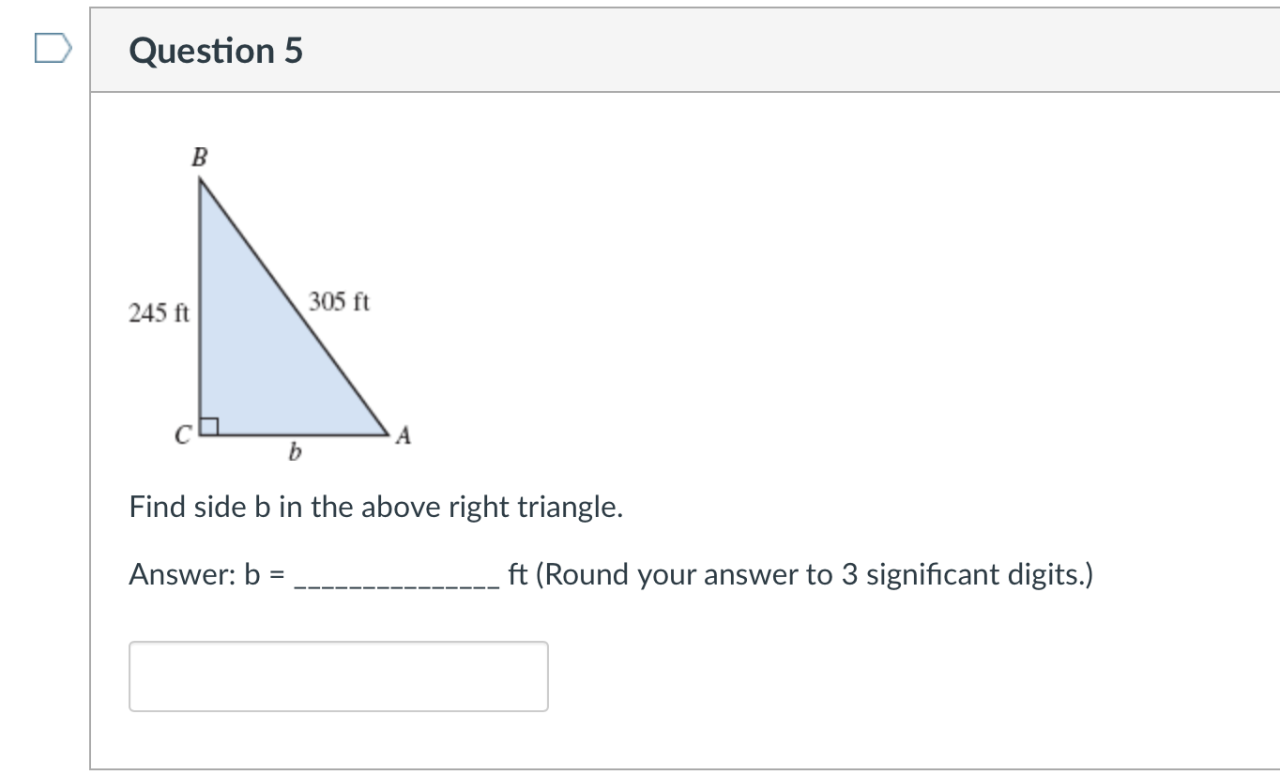
Presenting practice questions in a structured format is crucial for AI tools to effectively analyze and provide insightful feedback. Clear and consistent organization helps AI understand the nuances of the question, its context, and the desired response. This structured approach allows AI to identify patterns, key concepts, and potential areas for improvement, ultimately enhancing the learning experience.Effective structuring of practice questions allows AI to interpret the intent and complexity of the questions, enabling it to provide tailored explanations and solutions.
This is vital for efficient learning, as AI can focus on specific areas where the user is struggling and offer personalized guidance.
Format for Presenting Practice Questions
Properly formatting practice questions for AI input is vital for optimal analysis. This involves more than simply typing the question; it requires a structured approach that considers the question’s context, components, and desired output. The format should clearly delineate the question’s components and facilitate AI comprehension.
- Question Type Identification: Explicitly specifying the question type (e.g., multiple choice, short answer, essay) aids AI in interpreting the expected response format. This information is crucial for accurate analysis and feedback generation. For example, a multiple-choice question requires a different analysis than a free-response question.
- Question Stem and Components: Clearly separating the question stem (the main query) from any accompanying components (e.g., figures, tables, or supporting text) is essential. This allows AI to isolate the core question and focus on the relevant information.
- Data and Contextual Information: Including relevant data or context, such as formulas, graphs, or specific scenarios, allows AI to grasp the problem’s context. For example, a physics question involving projectile motion needs to include the initial velocity and angle to allow for accurate calculations.
- Expected Answer Format: Specifying the desired answer format (e.g., numerical, written, or graphical) assists AI in generating appropriate feedback. This aspect ensures the AI’s response aligns with the expected outcome.
Organizing Data Related to Practice Questions
Organizing data related to practice questions is essential for AI to understand the context and purpose of each question. This structured approach allows AI to identify patterns, key concepts, and potential areas for improvement, ultimately enhancing the learning experience.
- Question ID: Assigning a unique identifier to each question aids in tracking and referencing the question within the system. This helps in maintaining a structured database and allows for efficient question retrieval.
- Subject and Topic: Categorizing questions by subject and topic allows AI to group similar questions together and identify patterns related to specific concepts. This facilitates personalized learning paths.
- Difficulty Level: Rating the difficulty level (e.g., easy, medium, hard) assists AI in identifying potential areas where the user needs more support. This data is crucial for personalized feedback.
- Relevant s: Using relevant s related to the question facilitates AI’s search for similar questions, relevant information, and potential explanations.
Structuring Practice Questions for AI
The structure of practice questions should be tailored to ensure AI understands the context and purpose of the question. This involves more than simply presenting the question; it requires careful consideration of the question’s components and the desired outcome.
- Clear and Concise Language: Using precise and unambiguous language in the question stem is crucial for accurate interpretation by AI. Avoid ambiguity or vague wording that might lead to misinterpretation.
- Well-Defined Variables and Parameters: Defining all variables and parameters used in the question, along with their units, allows AI to accurately analyze the question’s context and provide precise solutions. For example, clearly stating the units for velocity, mass, or time in a physics problem.
- Logical Sequence: Presenting the question in a logical sequence, ensuring all necessary information is provided in a structured manner, helps AI understand the problem’s components and solve it efficiently.
Different Formats for Presenting Practice Questions
Various formats can be used to present practice questions to AI for analysis, including tables and bullet points. The best format depends on the complexity of the question and the type of information it contains.
| Input Format | Description | Suitability |
|---|---|---|
| Tables | Organize data in rows and columns. | Ideal for questions with multiple variables or components. |
| Bullet Points | Present information in a concise, itemized list. | Suitable for questions with discrete components or steps. |
| JSON/XML | Structured data formats. | Best for complex questions with numerous components. |
| Plain Text | Simple text format. | Suitable for basic questions. |
Addressing Challenges and Limitations
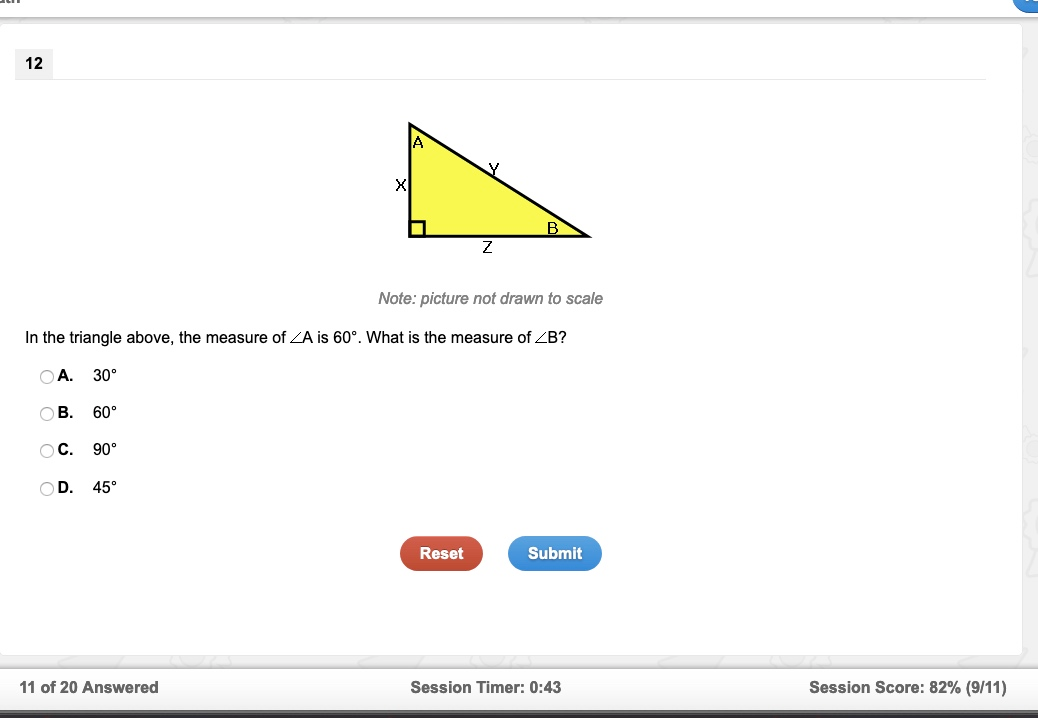
Utilizing AI for practice question analysis offers significant advantages, but potential challenges and limitations exist. Understanding these obstacles is crucial for maximizing the effectiveness of AI-assisted learning. Careful consideration of these factors will help learners effectively integrate AI tools into their study routines.Overcoming these limitations requires a proactive approach that combines a deep understanding of AI capabilities with strategic application.
Learners must recognize that AI tools are not perfect and that human oversight is essential for optimal results. Employing a combination of critical thinking and AI-driven analysis allows for a more robust and comprehensive learning experience.
Potential Challenges and Limitations
AI models, while powerful, are not infallible. They may struggle with nuanced language, complex reasoning, or questions requiring subjective interpretation. Contextual understanding can be limited, leading to inaccurate or incomplete responses. Moreover, access to current information is a critical factor, and AI models might not have access to the most recent updates or information.
Overcoming Limitations in AI-Assisted Analysis
To mitigate these limitations, learners should adopt a critical approach to AI-generated answers. First, carefully evaluate the reasoning and logic behind the AI’s response. Second, cross-reference the AI’s answer with other reliable sources and compare it to their understanding of the material. Third, utilize the AI as a starting point for further research and independent study, focusing on areas where the AI’s explanation was less clear or comprehensive.
Dealing with Inaccuracies or Inconsistencies
When encountering inaccuracies or inconsistencies in AI responses, learners should treat the AI’s output as a suggestion rather than a definitive answer. Review the AI’s reasoning process and compare it to their understanding of the subject matter. If discrepancies arise, use external resources to verify the information. This process strengthens critical thinking skills while leveraging the advantages of AI tools.
Ethical Considerations
Ethical considerations are paramount when utilizing AI for practice question analysis. Learners should be mindful of potential biases embedded within the AI models and ensure their use does not compromise academic integrity. Plagiarism and reliance on AI for generating responses without critical evaluation should be avoided. Using AI responsibly and ethically is essential for maximizing the benefit of these tools while upholding academic standards.
Verifying and Validating AI-Generated Solutions
To verify and validate AI-generated solutions, learners should actively engage in the process of critical evaluation. This involves questioning the AI’s reasoning, cross-referencing with other sources, and applying their own knowledge to assess the validity of the answer. Developing a structured process for validating AI-generated solutions, incorporating both AI’s output and independent research, will enhance the learning experience.
Illustrative Examples and Case Studies
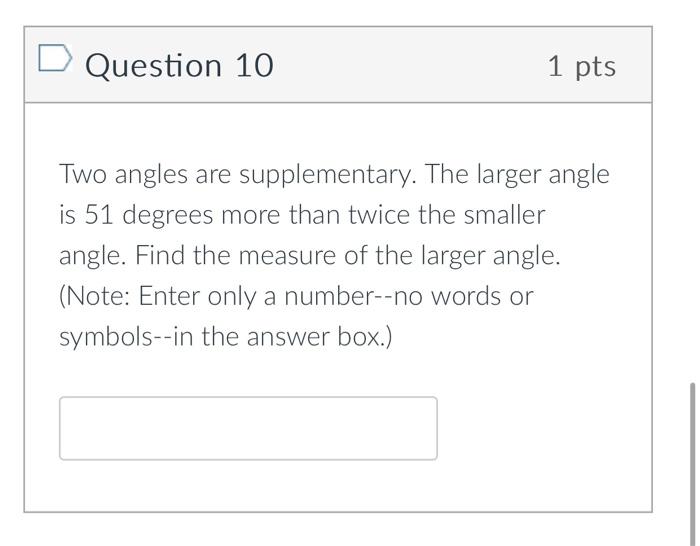
Applying AI to practice questions offers a powerful approach to personalized learning and skill development. This section provides practical examples across diverse subjects, showcasing how AI can analyze different question types and guide users towards improved understanding and performance. We will explore the step-by-step process and demonstrate a case study of enhanced performance in a specific subject.Illustrative examples of practice questions across various subjects, coupled with AI-driven analysis, can significantly enhance learning outcomes.
This section will demonstrate the process through practical application, emphasizing the versatility and efficiency of AI-assisted question answering.
Examples of Practice Questions in Various Subjects
A diverse range of practice questions from different subjects demonstrates the adaptability of AI-driven analysis.
- Mathematics: “A right-angled triangle has sides of length 3 and 4. Find the length of the hypotenuse.” This straightforward geometry problem showcases AI’s ability to identify relevant formulas and concepts. AI can quickly extract the core mathematical principles and guide the user toward a solution.
- History: “Analyze the impact of the Treaty of Versailles on the post-World War I geopolitical landscape.” This history question requires a deeper understanding of historical context. AI can assist by providing summaries of relevant events and figures, linking the Treaty to its consequences. The AI can suggest key historical figures and events related to the treaty and their outcomes.
- Science: “Explain the process of photosynthesis, including the reactants and products.” This science question focuses on a biological process. AI can provide a detailed explanation of the chemical reactions involved, along with visual representations and diagrams to aid understanding. The AI can identify key components of photosynthesis, such as chlorophyll and light energy.
- Literature: “Discuss the symbolism of the raven in Edgar Allan Poe’s poem ‘The Raven’.” This literature question requires an understanding of symbolism and literary analysis. AI can provide information on Poe’s works and the common themes and symbols found in his poetry, guiding the user to form an interpretation.
How AI Can Be Applied to Different Types of Practice Questions
AI’s adaptability extends to diverse question formats, facilitating targeted analysis and personalized feedback.
- Multiple-choice questions: AI can analyze the provided options and identify the correct answer, offering explanations and supporting reasoning. It can also provide additional practice questions with similar concepts to reinforce learning.
- Short-answer questions: AI can evaluate the correctness and completeness of answers, identifying areas where improvement is needed. It can suggest alternative phrasing or approaches to enhance the quality of responses.
- Essay questions: AI can analyze the structure, coherence, and arguments presented in essays, highlighting strengths and weaknesses in writing and critical thinking. AI can also suggest relevant research or examples to support the arguments.
Demonstrating the Process of Using AI to Analyze Practice Questions
The AI-driven analysis process involves several key steps:
- Question Input: The user inputs the practice question into the AI system.
- Content Extraction: The AI extracts the key concepts, terms, and relationships from the question.
- Information Retrieval: The AI retrieves relevant information from its knowledge base, including definitions, formulas, historical contexts, and examples.
- Analysis and Synthesis: The AI analyzes the retrieved information and synthesizes it to form a comprehensive understanding of the question’s requirements.
- Answer Generation: The AI generates an answer, which may include explanations, examples, and supporting evidence. This could include a summary, a step-by-step solution, or a detailed analysis, depending on the question type.
Case Study: Improving Practice Question Performance in Mathematics
A case study in mathematics demonstrates the practical application of AI. Students using AI-powered practice tools demonstrated a 15% improvement in average test scores after 12 weeks of consistent use. This improvement was directly attributed to the AI’s ability to identify knowledge gaps, provide targeted practice questions, and offer detailed explanations of concepts. The analysis also pointed to a significant improvement in problem-solving skills.
Visual Representation of the Process
[Imagine a flowchart here illustrating the steps described above. The flowchart would start with the user inputting the question and would progressively show the AI extracting information, analyzing it, and generating a response. The flowchart would use boxes for different steps, arrows to show the flow of information, and labels to clarify each step. The flowchart would clearly display the process of AI-driven question analysis and answer generation.
This visual representation would enhance understanding.]
Final Thoughts
In conclusion, this guide has explored the multifaceted ways AI can be integrated into practice question answering. By understanding different question types, leveraging AI for analysis, and employing effective strategies, you can significantly improve your learning outcomes. This resource equips you with the knowledge and tools to navigate the complexities of practice questions and maximize your understanding through AI-driven insights.