Effective study scheduling is crucial for academic success. This guide delves into how AI-powered tools can streamline your study process, offering personalized strategies and time management techniques. From defining your goals to troubleshooting challenges, we’ll explore the full spectrum of leveraging AI to optimize your learning journey.
We’ll cover various aspects, including the identification of individual learning styles, the importance of task prioritization, and the integration of AI tools into existing routines. A deep dive into AI’s ability to tailor schedules to individual needs and energy levels will be included, along with practical examples of AI-generated study schedules for diverse academic situations. Finally, we’ll address common obstacles and provide troubleshooting steps for a smoother AI-powered study experience.
Introduction to AI-Powered Study Scheduling
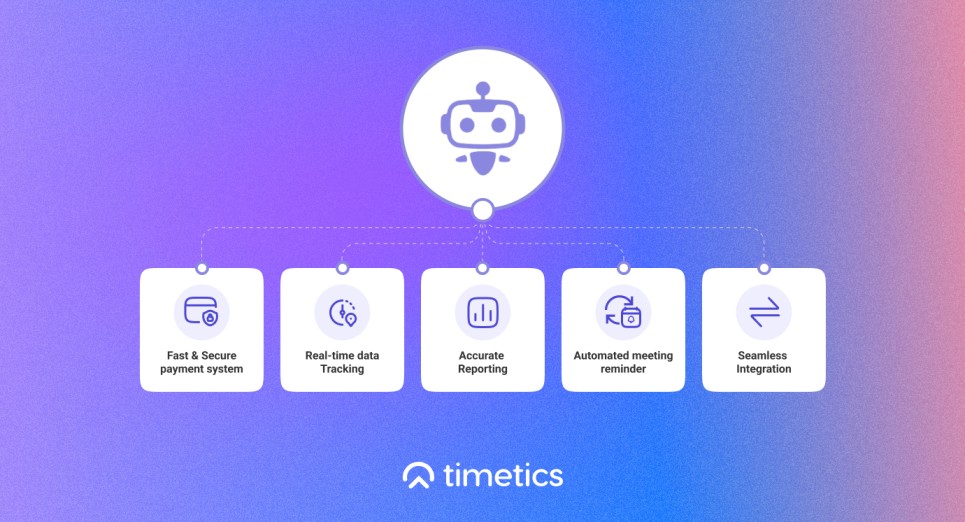
AI-powered study scheduling tools are revolutionizing the way students and professionals approach their academic and professional development. These tools leverage sophisticated algorithms to create personalized study plans, optimize time management, and enhance learning outcomes. By analyzing individual learning patterns and preferences, AI can tailor study schedules to maximize efficiency and engagement.These intelligent systems can anticipate potential roadblocks and adjust schedules accordingly, ensuring students stay on track and meet their goals.
This proactive approach frees up valuable time and mental energy, enabling users to focus on the learning process rather than the scheduling logistics.
AI Tools for Study Scheduling
Various AI-powered tools are currently available to assist with study scheduling. These tools range from simple scheduling apps to more complex platforms offering comprehensive learning management features. Some popular examples include:
- Google Calendar: Google Calendar, while not exclusively AI-driven, integrates various AI-assisted features to optimize scheduling and task management, providing suggestions for time allocation based on user activity patterns. Its strength lies in its widespread accessibility and integration with other Google services.
- Todoist: Todoist leverages AI to prioritize tasks, providing suggestions on how to manage time effectively based on past performance. This helps students and professionals identify critical tasks and create an actionable schedule.
- Forest: Forest utilizes gamification and AI to encourage focused study sessions. The app tracks user engagement and provides feedback, fostering more productive study habits.
- Memrise: Memrise’s AI-powered learning platform offers personalized study plans, adapting to the learner’s pace and knowledge gaps. It assists in language learning and other subject areas by optimizing study sessions based on user progress.
Benefits of AI-Powered Study Scheduling
AI-powered study scheduling tools offer significant advantages, primarily focusing on efficiency and personalization. These tools can create study plans tailored to individual learning styles, pace, and preferences. This personalization ensures maximum efficiency and engagement, fostering better understanding and retention of information.Furthermore, AI-powered tools can analyze learning patterns to identify areas where a student might struggle or excel. This enables proactive adjustments to the study schedule, optimizing learning outcomes by focusing on areas requiring more attention.
This data-driven approach helps avoid unproductive study habits.
Comparison of AI Study Scheduling Tools
The following table compares some popular AI-powered study scheduling tools based on their key features and pricing models.
| Tool | Key Features | Pricing |
|---|---|---|
| Google Calendar | Integration with other Google services, event reminders, task management | Free (basic), paid plans available |
| Todoist | Task prioritization, time management suggestions, project management | Free (basic), paid plans available |
| Forest | Gamified study sessions, focus encouragement, time tracking | Free (basic), paid plans available |
| Memrise | Personalized learning paths, adaptive study plans, language learning focus | Free (basic), paid plans available |
Note: Pricing models and features may vary depending on the specific plan chosen.
Defining Your Study Goals and Needs
A well-defined study plan is crucial for effective learning. Before diving into AI-powered scheduling tools, it is essential to understand your personal learning style and academic needs. This proactive step allows the AI to tailor a study schedule that aligns with your specific requirements, leading to optimized learning outcomes. Clearly identifying your goals, learning preferences, and workload ensures a personalized and effective study approach.Defining your study goals establishes a clear direction for your efforts.
Understanding your learning style and preferences helps tailor your study schedule to maximize your strengths and address any weaknesses. This focused approach ensures that the AI-powered scheduling tool can be most effective in supporting your individual needs and aspirations.
Importance of Clear Study Goals
Clearly defined study goals provide a framework for your academic journey. They establish a sense of purpose and direction, motivating you to stay focused on your objectives. This clarity is essential when using AI tools, as these tools can best support your learning by understanding your specific goals. Without clear goals, AI recommendations might not be aligned with your desired outcomes.
Identifying Your Learning Style and Preferences
Understanding your individual learning style is vital for creating a personalized study plan. Different learning styles, such as visual, auditory, kinesthetic, and reading/writing, respond to various approaches. Recognizing your learning style enables you to adapt your study methods for optimal comprehension. Experiment with different strategies to identify which methods resonate most effectively with you.
Outlining Your Academic Workload
A structured overview of your academic workload is crucial for effective scheduling. This involves meticulously listing courses, assignments, and deadlines. This detailed overview provides a comprehensive picture of your commitments, allowing for accurate time allocation and potential prioritization. A thorough understanding of your academic obligations is a fundamental step in optimizing your study schedule.
Learning Styles and Corresponding Study Techniques
| Learning Style | Description | Study Techniques |
|---|---|---|
| Visual | Learns best through seeing and visualizing information. | Creating mind maps, using diagrams, watching videos, highlighting key concepts, using flashcards with images. |
| Auditory | Learns best through listening and hearing information. | Record lectures, discuss concepts with peers, listen to educational podcasts, read aloud, use audio recordings for review. |
| Kinesthetic | Learns best through hands-on activities and physical engagement. | Solving problems practically, creating models, taking notes while actively participating, performing experiments, creating physical representations of concepts. |
| Reading/Writing | Learns best through reading and writing. | Taking detailed notes, summarizing information, outlining material, writing practice questions, creating flashcards, writing essays and reports. |
This table provides a concise overview of common learning styles and corresponding study techniques. Choosing the appropriate study techniques can greatly improve comprehension and retention. Remember that you might have a combination of learning styles, so adapt your techniques accordingly.
Utilizing AI for Task Prioritization and Time Management
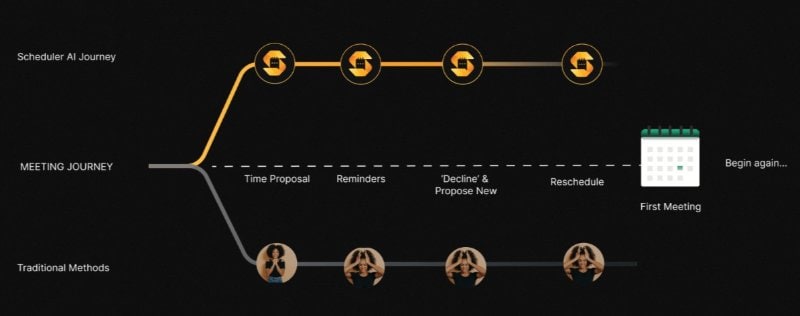
AI-powered study scheduling tools can significantly enhance your study routine by automating crucial aspects of time management. These tools excel at prioritizing tasks based on factors like deadlines and importance, allowing you to focus on the most critical items first. This streamlined approach fosters efficient study sessions, ultimately contributing to improved learning outcomes.AI algorithms can analyze your study plan, identifying tasks requiring immediate attention.
By considering deadlines, the complexity of tasks, and their importance within your overall learning objectives, AI systems can dynamically adjust your schedule, ensuring you allocate sufficient time to each subject or topic. This personalized approach empowers you to effectively manage your study time and maintain a balanced schedule.
Task Prioritization Based on Deadlines and Importance
AI systems can analyze task deadlines and importance levels to prioritize tasks effectively. For example, if you have a major exam approaching, AI can identify and place high-priority tasks related to exam preparation ahead of other less urgent activities. This proactive approach can optimize your study schedule, ensuring you allocate ample time to the most critical subjects. The system can also account for personal preferences and adjust the prioritization accordingly.
Breaking Down Large Tasks into Smaller Chunks
Breaking down large, daunting tasks into smaller, manageable sub-tasks is crucial for effective time management. AI can facilitate this process by automatically segmenting extensive projects into smaller, more achievable steps. This approach reduces the feeling of overwhelm and makes the task appear less daunting. For instance, preparing for a history exam might involve studying different historical periods.
AI can further subdivide this by assigning specific time blocks to studying each period.
Strategies for Allocating Time Blocks to Different Subjects or Tasks
Strategic allocation of time blocks to different subjects or tasks is essential for efficient study. AI tools can assist in creating a personalized timetable by considering the time you are most productive, subject difficulty, and your personal study habits. For instance, if you are a morning person, the AI might schedule your more demanding subjects for the morning, when you are most alert and focused.
This allows you to maximize your cognitive abilities during peak productivity periods.
Time Management Techniques Comparison
The table below compares various time management techniques, highlighting their strengths and weaknesses. A thorough understanding of these techniques allows you to tailor your study schedule to suit your specific needs and preferences. This informed decision-making process can lead to increased efficiency and productivity.
| Time Management Technique | Description | Strengths | Weaknesses |
|---|---|---|---|
| Pomodoro Technique | Work in focused intervals (e.g., 25 minutes) followed by short breaks. | Enhances concentration, improves focus, and combats procrastination. | May not suit all learning styles, and might be inflexible for complex tasks. |
| Eisenhower Matrix | Prioritizes tasks based on urgency and importance. | Helps focus on critical tasks, avoids distractions, and improves efficiency. | Requires careful evaluation of tasks, which can be time-consuming. |
| Time Blocking | Allocating specific time slots for specific tasks. | Promotes structure, organization, and helps manage time effectively. | Might require adjusting to unexpected changes or interruptions. |
Integrating AI into Existing Study Habits
Successfully integrating AI-powered study scheduling tools into your existing routine requires a strategic approach. This involves acknowledging the current habits and progressively incorporating the AI tool’s features. A key element is understanding that change takes time and patience, and small, manageable adjustments are more likely to lead to long-term success.Integrating AI tools into your existing routine isn’t about replacing your current study habits entirely.
It’s about leveraging AI to enhance and optimize what you already do, making your study process more efficient and effective. This process involves analyzing your current study patterns and identifying areas for improvement. By incorporating AI-powered scheduling, you can proactively manage your time and focus on tasks that need the most attention.
Adjusting Existing Study Habits for Optimization
Adapting your existing study habits to work effectively with AI tools involves several key steps. First, analyze your current study routine to identify areas where you spend time inefficiently or struggle to maintain focus. Then, consider how the AI tool can streamline these tasks. For example, if you frequently find yourself procrastinating on specific subjects, the AI tool can suggest proactive measures, such as breaking down large tasks into smaller, more manageable ones.
Overcoming Procrastination with AI-Powered Tools
Procrastination is a common challenge for students. AI-powered study scheduling tools can help address this by providing personalized recommendations and strategies. These tools can identify patterns in your procrastination and suggest alternative approaches, such as scheduling short, focused study sessions with breaks incorporated. Moreover, some tools offer features that track your progress and provide positive reinforcement, further motivating you to stay on task.
Visual progress bars, for instance, can be helpful in motivating students.
Tips for Successful Integration
- Start with a realistic timeframe: Don’t try to overhaul your entire study schedule at once. Gradually introduce the AI tool into your routine, perhaps by using it for one subject or a specific type of task initially.
- Be open to feedback and adjustments: AI tools provide personalized insights into your study habits. Be receptive to the feedback provided and adjust your routine accordingly. For instance, if the tool suggests you’re spending too much time on a particular task, consider alternative strategies to tackle it.
- Prioritize consistency: Regular use of the AI tool is essential for achieving optimal results. Make it a habit to use the tool consistently to establish a clear pattern in your study schedule. For example, schedule a specific time each day to review and adjust your study plan.
Potential Obstacles and Solutions
| Obstacle | Solution |
|---|---|
| Resistance to change | Acknowledge the need for adjustment and gradually incorporate the tool into your routine. Focus on the potential benefits of increased efficiency and productivity. |
| Technical difficulties with the tool | Thoroughly research and understand the tool’s features and functions. Seek support from online forums, tutorials, or customer support if needed. |
| Over-reliance on the AI tool | Maintain a balance between utilizing the AI tool and actively participating in your study process. Ensure you’re still engaging critically with the material. |
| Difficulty adjusting to a new routine | Break down the adjustment process into small, manageable steps. Celebrate small victories and maintain a positive attitude throughout the transition. |
Personalizing Your Study Schedule with AI

AI-powered study scheduling goes beyond generic templates, recognizing that each individual learns and works differently. By understanding your unique learning style, workload fluctuations, and energy levels, AI can create a truly personalized study plan, optimizing your efficiency and productivity. This personalized approach can lead to significant improvements in learning outcomes.Effective study schedules are not static; they need to adapt to changes in workload, deadlines, and personal energy levels.
AI algorithms excel at dynamically adjusting schedules to maintain optimal performance, ensuring you’re always prepared for challenges and ready to seize opportunities. This dynamic adaptation is crucial for managing the unpredictable nature of academic life.
Tailoring to Individual Learning Styles
Understanding diverse learning styles is paramount for effective study planning. AI can analyze data about your preferred learning methods (visual, auditory, kinesthetic, etc.) to recommend study activities and materials that best align with your style. For instance, if you are a visual learner, the AI might suggest more diagrams and charts, while for an auditory learner, it might recommend audio recordings or group study sessions.
This personalized approach significantly enhances comprehension and retention.
Adapting to Changing Workloads and Deadlines
AI systems can monitor your academic workload, including upcoming deadlines and assignments. They can predict potential time conflicts and proactively adjust your schedule to accommodate these changes. This predictive capability allows for proactive planning, reducing the stress of last-minute adjustments and ensuring you meet all your commitments. For example, if a crucial project deadline approaches, the AI can reallocate study time for relevant subjects, allowing you to focus on high-priority tasks.
Adjusting Study Times Based on Individual Energy Levels
Your energy levels fluctuate throughout the day. AI can analyze your past performance and energy patterns to identify optimal study times. This personalized insight allows for scheduling demanding tasks during peak energy periods and less demanding tasks during times of lower energy. For instance, if you typically perform best in the morning, the AI can schedule more complex tasks then.
It also recognizes the need for rest and breaks, optimizing your overall well-being and study effectiveness.
Personalized vs. Generic Study Schedules
| Feature | Personalized Study Schedule | Generic Study Schedule |
|---|---|---|
| Learning Style | Tailored to individual preferences (visual, auditory, kinesthetic). | One-size-fits-all approach, neglecting individual differences. |
| Workload | Dynamically adjusts based on upcoming deadlines and assignments. | Fixed schedule, unresponsive to changing demands. |
| Energy Levels | Optimizes study times based on individual patterns. | Ignores fluctuations in energy levels, leading to potential inefficiencies. |
| Study Material | Recommends learning resources best suited to the individual’s learning style. | Presents generic study material, potentially less effective for certain learners. |
| Effectiveness | Maximizes learning outcomes by considering individual needs. | May not be as effective, leading to potentially lower performance compared to a personalized approach. |
Personalized study schedules, driven by AI, are designed to optimize learning outcomes by considering individual needs and preferences.
Optimizing Study Environment and Resources
AI-powered study scheduling extends beyond just time management; it encompasses optimizing the entire study experience, including the environment and resources. By understanding user preferences and identifying suitable resources, AI can create a more conducive and effective learning environment, ultimately improving study outcomes. This section will detail how AI can suggest ideal study settings, recommend relevant resources, and create a dedicated workspace.
AI-Suggested Study Environments
AI can tailor study environment recommendations to individual preferences. For instance, if a user consistently performs best in quiet, well-lit spaces, the AI will suggest environments matching those criteria. Conversely, if a user thrives in collaborative settings, the AI can identify and recommend co-working spaces or study groups. This personalization ensures that the study environment aligns with the user’s learning style and maximizes their focus and productivity.
AI-Recommended Study Resources
AI can also identify and recommend suitable study resources, such as online courses, textbooks, or practice materials. By analyzing the user’s learning goals and current knowledge gaps, AI can suggest resources that cater to those specific needs. For example, if a user is struggling with a particular mathematical concept, the AI can recommend online tutorials or practice problems that address that specific weakness.
External Resources Enhancing AI-Powered Study Schedules
Various external resources can significantly enhance the effectiveness of AI-powered study schedules. These include:
- Dedicated study apps and software: These tools often integrate with AI platforms, providing features like noise-canceling functionalities or focus-enhancing exercises, further optimizing the study environment.
- Online libraries and databases: Access to comprehensive online resources allows users to expand their knowledge base beyond textbooks, which AI can help curate based on specific study needs.
- Study groups and communities: Collaborative learning environments can offer peer support and diverse perspectives. AI can connect users with similar study goals and learning styles, fostering a supportive learning community.
- Productivity tools: Tools that help manage distractions, such as website blockers or time-management apps, can be used in conjunction with AI-powered study schedules for better focus and task completion.
Creating a Dedicated Workspace with AI Suggestions
AI can generate personalized workspace recommendations, considering factors such as the user’s preferred study style and the available space. For example, an AI might suggest a dedicated study corner in a home office, complete with adjustable lighting and ergonomic furniture, for a user who prefers a quiet, focused environment. The AI could also recommend organizing the workspace to optimize workflow and minimize distractions.
“A well-organized workspace can significantly improve focus and productivity.”
The AI can also incorporate external factors, like time of day and ambient noise levels, to suggest the best time to use a particular workspace or the best method for reducing noise interference. Furthermore, the AI can suggest and integrate assistive technologies like noise-canceling headphones or ergonomic chairs to optimize the study environment.
Troubleshooting and Addressing Challenges
AI-powered study scheduling, while offering significant advantages, can sometimes encounter challenges. Understanding potential issues and their solutions is crucial for effective utilization. This section Artikels common problems and provides practical steps to address them, ensuring a smooth and productive study experience.
Common Problems and Solutions
AI study scheduling tools, like any technology, can face limitations. Understanding these common problems and their solutions will help users navigate potential roadblocks.
- Inaccurate Data Input: AI relies heavily on the data provided. Incorrect or incomplete information about study material, course requirements, or personal commitments can lead to an inaccurate schedule. Ensure all input is precise and comprehensive. If an AI tool fails to accommodate a significant commitment, like a scheduled doctor’s appointment, re-enter the information, clarifying the duration and type of commitment.
Double-checking data entry and verifying the tool’s understanding of the input data is paramount.
- Unforeseen Events: Unexpected events, such as illness, family emergencies, or social obligations, can disrupt the planned schedule. AI-generated schedules, while adaptable, might require manual adjustments. The ability to make these adjustments quickly and efficiently is essential for maintaining productivity.
- Overly Strict Schedules: An AI-generated schedule might be overly rigid, failing to account for natural variations in study pace or unexpected bursts of motivation. It is crucial to allow for flexibility and adjust the schedule as needed. Review the schedule regularly and adapt it to suit individual needs and circumstances.
- Lack of Personalization: If the schedule does not align with individual learning styles or preferences, it can prove counterproductive. Adjust the AI tool’s settings or parameters to better suit personal needs, including preferences for specific study times or environments.
Adjusting Schedules for Unexpected Events
Unexpected circumstances can disrupt even the best-laid plans. The ability to adapt schedules is essential for maintaining momentum and achieving study goals.
- Identify the Event: Clearly define the nature of the unexpected event, its duration, and its impact on the study schedule. Note down the details to help with the adjustment process.
- Assess the Schedule’s Impact: Evaluate how the event affects existing commitments and deadlines. Identify tasks that might need to be shifted or rescheduled. Using a calendar or task management tool, mark the affected timeslots.
- Re-prioritize Tasks: Re-evaluate the importance of tasks. Tasks that can be postponed or reduced in scope should be identified and adjusted. Critical tasks and deadlines should remain the priority.
- Reschedule Tasks: Re-arrange the schedule, moving tasks and study sessions to accommodate the unexpected event. Use the AI tool’s features for rescheduling or manually adjust the schedule. Ensure tasks are re-entered with the updated timeslots and priorities.
- Monitor and Adapt: Regularly monitor the adjusted schedule and make further adjustments as needed. Flexibility is key to managing unexpected events.
Example of Schedule Adjustment
Imagine a student’s AI-generated schedule has a 2-hour study block for Calculus at 10 AM on Wednesday. An unexpected family emergency arises, requiring the student to attend to it from 9:30 AM to 12:30 PM. The student can use the AI tool to reschedule the Calculus study session to a later time, or adjust the study duration and allocate part of the session to a different time.
The key is to maintain a balance between adherence to the schedule and the ability to respond to unforeseen circumstances.
Evaluating and Refining Your Study Schedule
Regular evaluation and refinement of your study schedule are crucial for optimizing your learning process. A static schedule, regardless of its initial design, may not perfectly align with your evolving needs and performance. Adapting your plan based on real-time feedback ensures you stay on track and maximize your study time.
Importance of Regular Evaluation
Consistent evaluation of your study schedule helps you identify areas needing adjustment. This proactive approach allows for timely course corrections, preventing the accumulation of missed deadlines or diminished understanding of crucial concepts. By assessing your schedule regularly, you gain a clearer picture of your strengths and weaknesses, enabling you to allocate resources and time more effectively.
Tracking Progress and Identifying Areas for Improvement
Regularly tracking your progress is essential to identify areas for improvement. This can be achieved by meticulously monitoring your study sessions, noting the time spent on different subjects, and analyzing the level of understanding gained. Monitoring your performance through quizzes, practice problems, or self-assessments will offer invaluable insights. For example, if you consistently struggle with a particular topic, your schedule may need adjustments to allocate more time for focused study and practice.
Refining Your Schedule Based on Feedback and Results
Refining your study schedule based on feedback and results involves several key steps. First, analyze your progress reports and identify areas where you’re excelling and those requiring additional attention. Secondly, adjust the allocation of time in your schedule. If a subject demands more time than initially estimated, reallocate hours from less demanding areas. For instance, if you find you’re consistently finishing assignments ahead of schedule, consider dedicating that extra time to a subject that’s proving challenging.
Finally, incorporate new learning resources or strategies based on your insights.
Framework for Reflecting on Schedule Effectiveness
A structured framework for evaluating the effectiveness of your study schedule helps you remain objective and focused. A simple table can be used to categorize and analyze your performance. For example, consider these columns: Subject, Estimated Study Time, Actual Study Time, Progress Metrics (e.g., quiz scores, practice problem accuracy), and Areas for Improvement. Regularly review this table to identify recurring patterns and potential areas for improvement.
- Detailed Analysis of Weak Areas: Thoroughly examine areas where you’re lagging. Consider the reasons for underperformance, whether it’s lack of clarity in the subject, ineffective study methods, or inadequate resources. This meticulous analysis is crucial for implementing targeted solutions.
- Adjusting Time Allocation: Allocate more time to challenging subjects or topics where you’re struggling. Consider adjusting the duration of study sessions for each subject. For instance, if you find yourself consistently falling behind on a particular module, allocate more time for studying that specific area.
- Implementing Alternative Learning Strategies: Explore different learning methods if your current approach isn’t yielding the desired results. If traditional study methods aren’t working, consider incorporating interactive learning tools, group study sessions, or tutoring. This can greatly enhance your understanding and retention.
Illustrative Examples of AI-Generated Study Schedules

AI-powered study scheduling tools can significantly enhance the learning process by tailoring schedules to individual needs and preferences. These personalized schedules optimize time management, allowing students to allocate resources effectively and focus on their academic goals. The examples below illustrate how AI algorithms can dynamically adjust schedules based on various factors.
Sample Study Schedules for Different Academic Situations
AI study scheduling tools can adapt to different academic situations, generating customized schedules that reflect the unique demands of each scenario. Consider a student preparing for a demanding final exam period versus a student balancing coursework with extracurricular activities.
- Exam Preparation Schedule: For a student preparing for a challenging final exam in a demanding subject like physics, an AI might generate a schedule emphasizing focused study sessions on core concepts, interspersed with short breaks and dedicated time for problem-solving practice. This schedule could allocate more time to areas where the student is struggling, based on past performance data or feedback from online practice quizzes.
Additional time blocks could be scheduled for reviewing key concepts or practicing past exam questions.
- Balancing Coursework and Extracurriculars: A student juggling multiple demanding courses with extracurricular commitments would benefit from a schedule that integrates dedicated time for both academics and extracurricular activities. The AI might factor in the student’s preferred time slots for extracurriculars, potentially clustering academic tasks during times when energy levels are high, and integrating shorter study sessions throughout the day to avoid burnout.
Personalization for Different Subjects
AI can personalize study schedules by recognizing the unique learning demands of various subjects. The complexity and memorization requirements of a subject like history differ significantly from the problem-solving nature of mathematics.
| Subject | AI-Generated Schedule Focus | Explanation |
|---|---|---|
| History | Memorization and Contextual Understanding | The schedule will likely incorporate spaced repetition techniques for remembering dates, events, and key figures. It might include time slots for summarizing and analyzing historical events, along with quizzes to reinforce learning. |
| Mathematics | Problem Solving and Practice | The schedule prioritizes dedicated time for practice problems and problem-solving exercises. It may include interactive learning modules, or specific practice questions aligned with the student’s weaknesses, identified through automated assessments. |
Comparison of Study Schedules for Different Learning Styles
Different learning styles require distinct approaches to study. An AI-generated schedule should reflect these variations, adapting to the student’s preferred method of learning.
- Visual Learner: A schedule for a visual learner might include more time for creating diagrams, mind maps, and visual aids. The schedule might incorporate short video summaries or interactive simulations to reinforce learning.
- Auditory Learner: A schedule for an auditory learner might incorporate more time for listening to lectures, podcasts, or recordings. They might schedule time for verbal explanations or discussions with peers to solidify understanding.
- Kinesthetic Learner: A schedule for a kinesthetic learner might include more time for hands-on activities, experiments, or practical applications. It might incorporate laboratory sessions, role-playing exercises, or opportunities for real-world applications.
Detailed Description of AI Schedule Generation
AI study scheduling algorithms typically use a combination of machine learning and optimization techniques. They consider factors such as:
- Student’s past performance: Past grades, quiz scores, and completion rates in assignments are analyzed to identify strengths and weaknesses.
- Subject-specific difficulty: The AI assesses the complexity of each subject and allocates study time accordingly.
- Learning style preferences: If the student has provided details about their learning style, the AI uses this information to personalize the schedule.
- Time constraints: The AI factors in the student’s extracurricular activities, work commitments, and other obligations.
- Optimal study patterns: The AI uses algorithms to identify the most effective study patterns for the individual student, including spaced repetition and other techniques.
Outcome Summary
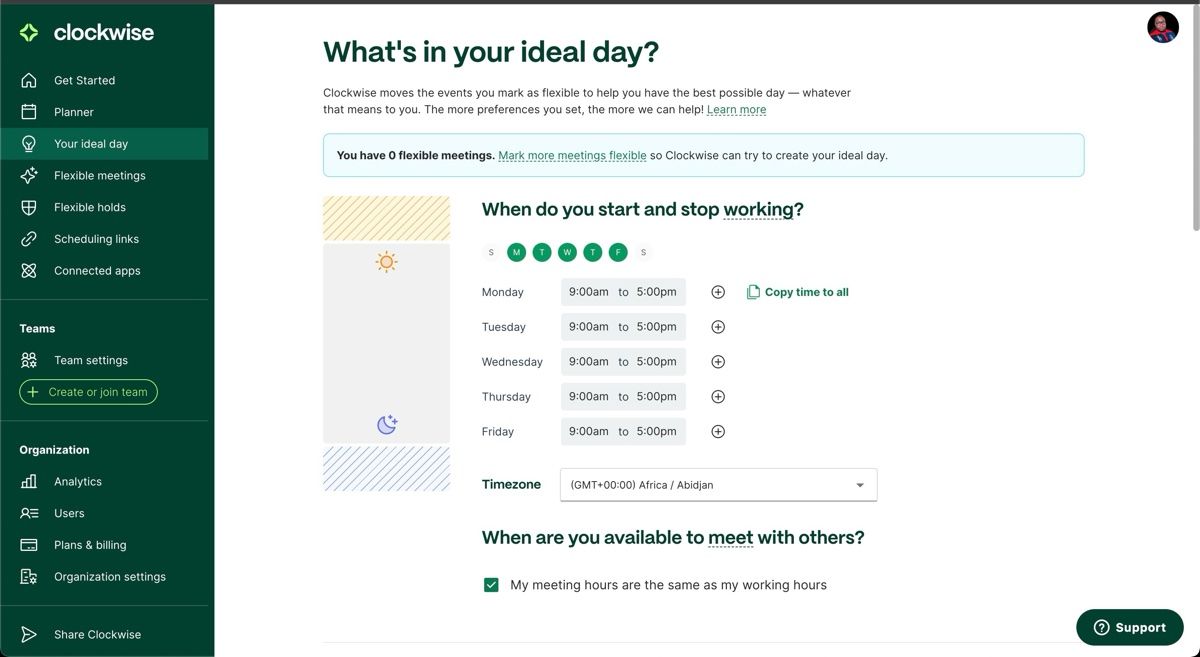
In conclusion, harnessing the power of AI for study scheduling can significantly enhance your academic performance. This guide has provided a comprehensive overview of the process, from initial goal setting to schedule refinement and troubleshooting. By understanding how to leverage AI’s capabilities, you can optimize your study habits, manage your time effectively, and ultimately achieve your academic goals.
Remember to tailor these strategies to your specific needs and learning preferences for maximum benefit.