In today’s information-rich world, the ability to efficiently summarize notes is crucial for effective learning and productivity. This guide delves into the practical application of Artificial Intelligence (AI) for note summarization, offering a comprehensive approach to transforming lengthy notes into concise and easily digestible formats. From understanding different note-taking styles to mastering AI tools, this resource equips you with the knowledge and strategies needed to maximize your note-taking efficiency.
This comprehensive guide will explore the diverse methods for summarizing notes using AI, covering everything from basic concepts to advanced techniques. It will detail various AI tools, their features, and comparative analyses, empowering you to select the optimal solution for your needs. Furthermore, the guide will illustrate best practices, highlight common pitfalls, and provide practical steps for integrating note summarization into your daily workflow, enabling a seamless transition from note-taking to actionable insights.
Introduction to Note Summarization
Note summarization is the process of condensing lengthy text, such as lecture notes, articles, or research papers, into a concise and comprehensive overview. This process distills the core information while retaining the essential meaning and context. Effective summarization helps in quickly grasping the key ideas and facilitates retention of information.Summarization is a crucial skill for students, researchers, and professionals across various fields.
By understanding and applying the principles of note summarization, individuals can improve their ability to process and retain information, enabling them to efficiently manage their workload and focus on the most critical details.
Benefits of Summarizing Notes
Summarizing notes offers several advantages. It enhances comprehension and retention of information by forcing the reader to actively process and extract the most important details. This active engagement leads to a deeper understanding of the material, making it easier to recall and apply later. Furthermore, summarizing reduces cognitive load, enabling the reader to focus on the core concepts without getting bogged down in unnecessary details.
This leads to improved focus and concentration, especially when dealing with extensive amounts of information.
Challenges in Summarizing Lengthy Notes
Summarizing lengthy notes presents certain challenges. Identifying the most crucial information within a large volume of text can be time-consuming and demanding. Maintaining the original meaning and context while reducing the text significantly requires careful consideration and attention to detail. Subjectivity in selecting key points can also lead to misinterpretations or loss of important nuances. Furthermore, complex or intricate information can be difficult to condense effectively without losing essential context.
The Role of Technology in Note Summarization
Technology has significantly impacted the note summarization process. Advanced AI-powered tools can analyze vast amounts of text, identify key concepts, and generate concise summaries with remarkable speed and accuracy. These tools can assist in extracting the essence of lengthy documents, facilitating efficient information processing and retrieval. The ability to generate summaries quickly and accurately can be invaluable in time-constrained environments, such as research, academic work, or professional settings.
Comparison of Manual and AI-Assisted Summarization
| Feature | Manual Note Summarization | AI-Assisted Summarization |
|---|---|---|
| Speed | Time-consuming, often requiring significant effort and time. | Fast and efficient, capable of generating summaries in seconds or minutes. |
| Accuracy | Dependent on the summarizer’s understanding and ability to discern key points; prone to errors and subjective interpretations. | Generally accurate, leveraging algorithms to identify key information and patterns. |
| Objectivity | Subjective; summarizer’s perspective and biases may influence the summary. | Objective; algorithms focus on extracting information rather than introducing personal biases. |
| Effort | Requires significant cognitive effort, demanding focus and critical thinking. | Requires minimal cognitive effort, allowing the user to focus on the overall message. |
| Cost | Potentially low; no external tools or software are needed. | Potentially higher; often requires access to AI-powered tools or software. |
Different Types of Notes
Note-taking methods vary significantly, each with unique characteristics that influence the most effective summarization techniques. Understanding these variations is crucial for optimizing the AI summarization process. Different formats require tailored approaches to capture and extract the key information effectively.Different note-taking methods, from handwritten notes to audio recordings, offer varying levels of detail and structure. The format significantly impacts the subsequent summarization process, as AI algorithms interpret and process information differently depending on the input source.
This section delves into various note types, highlighting their unique summarization needs.
Handwritten Notes
Handwritten notes often lack the structured format of typed notes. They frequently contain abbreviations, shorthand, and visual cues that are not easily parsed by standard text-based summarization tools. The context and meaning are often implied rather than explicitly stated.
- Summarization Needs: AI summarization tools need to be able to recognize patterns in handwriting, interpret abbreviations and shorthand, and infer meaning from context clues. Optical character recognition (OCR) is often necessary to convert the handwritten notes into a digital format suitable for AI processing.
- Example: A handwritten note might contain “bldg. 32, meet @ 10 AM, proj. X update.” An AI summarization tool needs to understand that “bldg.” stands for “building”, “meet” implies a meeting, and “@ 10 AM” specifies a time. The tool should then identify “proj. X” as a project and “update” as a summary item.
Typed Notes
Typed notes generally offer a more structured format than handwritten notes, which allows for easier summarization. However, the level of detail and the presence of extraneous information can still impact the summarization process.
- Summarization Needs: AI tools can often identify s, phrases, and sentences directly from typed notes. The key is to ensure the notes are well-organized and contain a clear topic hierarchy. Formatting and visual cues can also be leveraged to improve summarization.
- Example: A typed note on “Project Phoenix” with headings like “Project Goals,” “Timeline,” and “Budget” will allow the summarization tool to identify key information and prioritize the most important elements for summarization.
Audio Recordings
Audio recordings provide a rich source of information, but they require a different approach for summarization. Transcription is a crucial first step before AI can process the audio data.
- Summarization Needs: AI tools need to be able to transcribe the audio accurately and identify key phrases and concepts from the spoken words. Tools often use speech recognition technology, which can sometimes introduce errors in transcription. Contextual understanding and filtering of irrelevant information are crucial for accurate summarization.
- Example: An audio recording of a presentation on “Market Trends” will need to be transcribed accurately. The AI summarization tool will need to identify key arguments, statistics, and conclusions, which will be derived from the transcript.
Table: Summarization Approaches for Different Note Types
| Note Type | Summarization Approach |
|---|---|
| Handwritten | OCR, pattern recognition, contextual understanding |
| Typed | extraction, sentence analysis, topic hierarchy identification |
| Audio Recordings | Speech recognition, transcript analysis, contextual summarization |
Organizing Notes from Different Sources
Combining notes from various sources requires a strategic approach. A common method is to create a central repository, whether a digital document or a physical notebook, for all the gathered information.
- Organization Strategy: Categorize and label notes based on the topic, source, and date. This allows for quick retrieval and facilitates the summarization process. Use tags or s to further refine the organization.
- Example: If you’re researching “Sustainable Agriculture,” create folders for “Environmental Impacts,” “Economic Viability,” and “Social Factors.” Place notes from different sources within these folders.
Diverse Note-Taking Styles and Summarization Strategies
Different note-taking styles, like mind mapping, outlining, or Cornell notes, can impact the summarization approach. The method chosen should align with the intended purpose of the notes.
- Note-Taking Styles: Mind maps, with their visual connections, require a different summarization approach than linearly structured notes. AI tools need to be able to recognize the relationships between ideas and concepts, often visualized as nodes and branches in mind maps. Cornell notes, with their structured layout, facilitate quick retrieval and summarization.
- Example: A mind map on “Global Warming” will require an AI summarization tool to identify the core concepts and their relationships to generate a concise summary. A Cornell note, focused on a specific lecture topic, will facilitate the identification of main points and supporting details for summarization.
AI Tools for Summarization
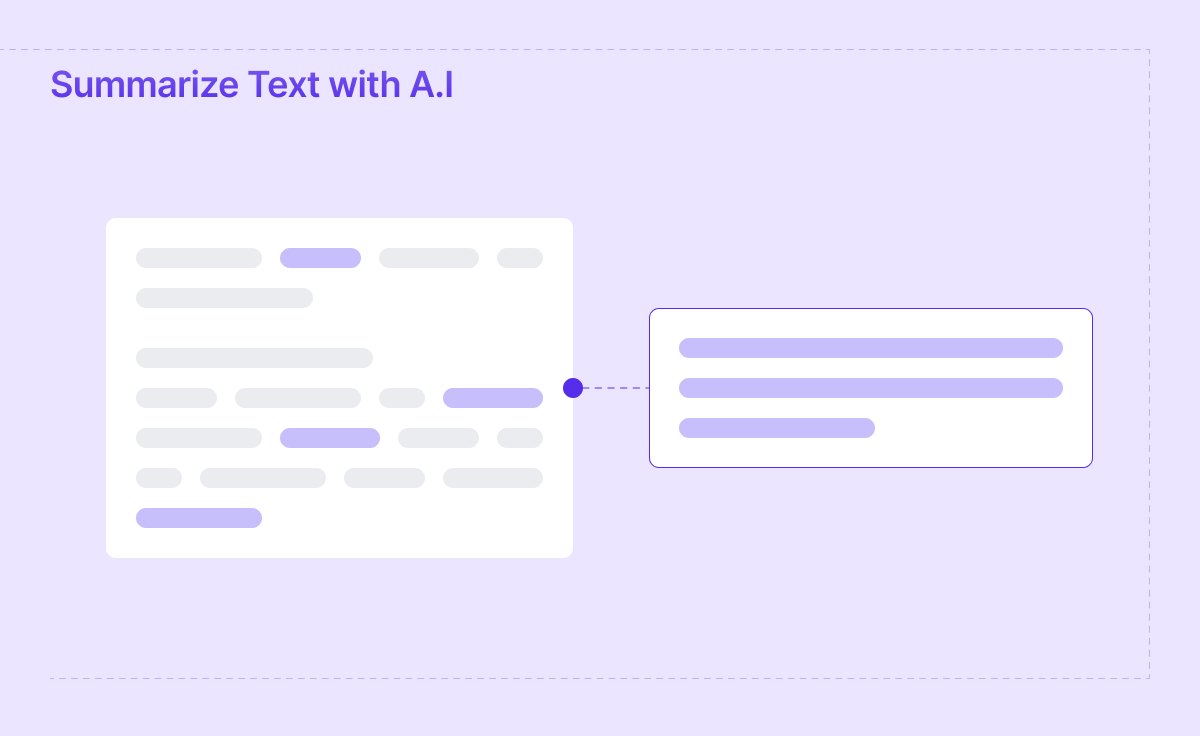
AI-powered note summarization tools are rapidly gaining popularity, offering significant time savings and improved understanding of complex information. These tools leverage natural language processing (NLP) and machine learning (ML) algorithms to extract key concepts and synthesize them into concise summaries. This capability is particularly valuable for students, researchers, and professionals who need to process large volumes of information efficiently.AI tools for note summarization offer a range of functionalities, from basic text summarization to more advanced features like identifying key concepts and generating Artikels.
These tools are becoming increasingly sophisticated, enabling users to tailor summaries to their specific needs and improve comprehension.
Available AI Tools
Various AI tools are available for note summarization, catering to different needs and preferences. These tools often integrate with existing note-taking applications or function as standalone platforms. Choosing the right tool depends on factors such as the type of notes being summarized, the desired level of detail in the summary, and the user’s technical proficiency.
- Otter.ai: This tool excels at transcribing audio and video recordings, providing summaries of meetings and presentations. It can also summarize written notes, though its strength lies in audio/video content.
- Summarizer.ai: This tool specializes in creating concise summaries of various text types, from articles to research papers. It offers customization options for the length and style of the summary.
- Notion AI: Notion’s AI features provide summarization capabilities within its note-taking platform. This integration allows users to quickly generate summaries within the context of their existing notes and projects.
- Grammarly: While primarily a writing assistant, Grammarly’s summarization features can be helpful for condensing written notes and documents, though it may not be the primary focus of its function.
Comparative Analysis of Features
Different AI tools offer varying features and capabilities. Some tools prioritize speed, while others focus on accuracy and the ability to extract nuanced information. The features often include customization options, such as adjusting the desired length of the summary, the inclusion of specific s, and the tone of the summary.
- Speed: Speed of summarization varies greatly among tools. Some tools provide near-instantaneous summaries, while others may take a few seconds or even minutes depending on the length and complexity of the input.
- Accuracy: Accuracy also differs significantly, as it’s influenced by factors such as the quality of the input notes and the sophistication of the NLP algorithms employed by each tool.
- Customization: Customization options, including the ability to adjust the desired length of the summary, include s or tone, are available in varying degrees across different tools.
- Integration: Integration with existing note-taking platforms or software can streamline the summarization process. This aspect often differentiates the usefulness of one tool over another.
Example AI Tools and Functionalities
Examples of AI tools demonstrate the diversity of functionalities.
- Otter.ai can summarize meeting recordings, highlighting key points, actions, and decisions. It also provides transcriptions, making the summary more comprehensive.
- Summarizer.ai can condense lengthy articles, retaining the essence of the original text while discarding irrelevant information.
- Notion AI allows users to summarize sections of their notes, enabling them to quickly grasp the main points of different sections of a project.
Comparative Table of Accuracy and Speed
This table provides a general comparison of the accuracy and speed of different AI summarization tools. Actual results may vary based on the specific input and user preferences.
| Tool | Accuracy (1-5, 5 being highest) | Speed (1-5, 5 being fastest) |
|---|---|---|
| Otter.ai | 4 | 5 |
| Summarizer.ai | 3 | 4 |
| Notion AI | 3 | 3 |
| Grammarly | 2 | 4 |
Methods for Effective Summarization
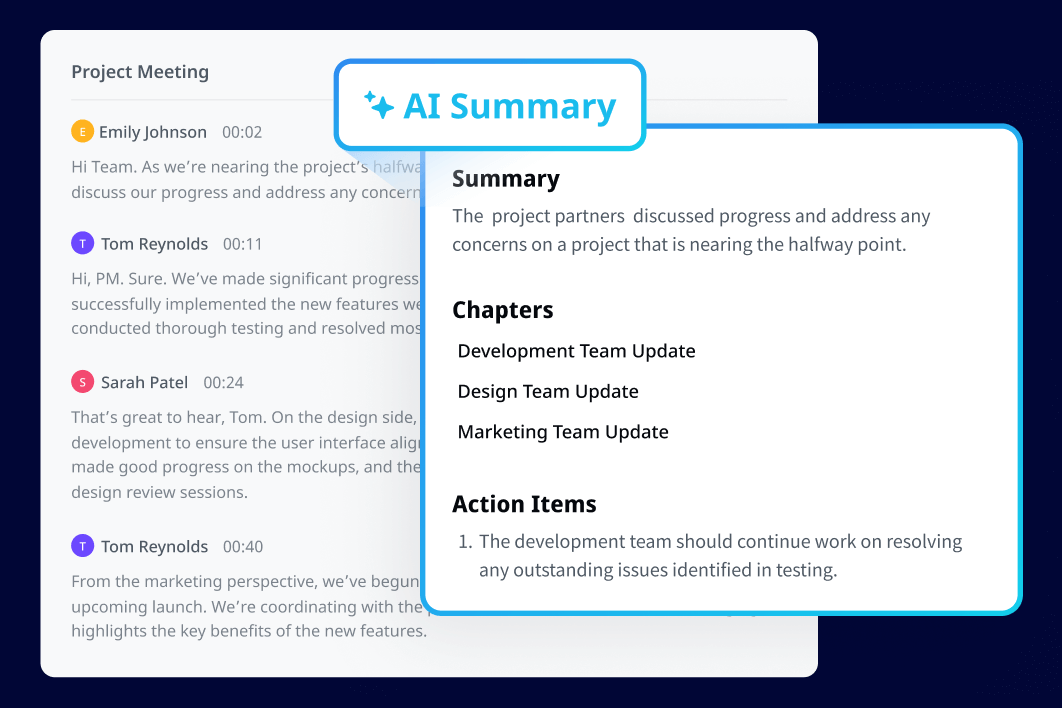
Effective note summarization is a crucial skill for efficient learning and knowledge retention. It involves distilling the core information from your notes, retaining the essential concepts, and discarding unnecessary details. This process, whether done manually or with AI assistance, requires a structured approach to maximize its effectiveness. Proper note summarization ensures that the most vital aspects of the original content are accessible and readily understood.Mastering the art of summarizing notes enhances comprehension and memory.
This approach transforms complex information into concise and manageable segments, allowing for quicker review and improved understanding. By focusing on key concepts and extracting pertinent details, learners can solidify their grasp of the material, enabling efficient study and knowledge application.
Identifying Key Concepts
Identifying key concepts is foundational to effective summarization. These are the core ideas, principles, and arguments that form the backbone of the content. They are often expressed in headings, topic sentences, and supporting details that illustrate or elaborate upon the main points. Recognizing these key elements allows for a focused summary that avoids extraneous information. A methodical approach to identifying these concepts is vital for creating a concise and accurate representation of the source material.
Extracting Important Information
Extracting important information from notes requires a discerning eye. Look for words and phrases that carry significant meaning, such as definitions, examples, and supporting evidence. Pay close attention to bolded terms, highlighted passages, and diagrams. Use active reading techniques like highlighting and note-taking to mark key information. A systematic approach to identifying these details will lead to a summary that accurately reflects the source material’s core ideas.
Condensing Information
Condensing information is the process of reducing the volume of the original material while retaining its essential elements. This involves eliminating redundant phrases, rephrasing sentences, and combining related ideas into more concise statements. Use synonyms and shorter sentence structures to compress the information without sacrificing clarity. A well-condensed summary is easier to comprehend and remember.
A Step-by-Step Procedure for Using AI to Summarize Notes
This section Artikels a structured method for using AI to summarize notes.
- Input your notes: Copy and paste your notes into the AI summarization tool. Ensure the notes are well-formatted and easy for the AI to process.
- Specify the desired level of detail: Most AI tools offer options to adjust the level of detail in the summary. Choose a level that suits your needs and the context of your notes.
- Review the generated summary: Carefully review the summary generated by the AI. Verify that the summary accurately reflects the key concepts and information from your original notes. Identify and correct any inaccuracies or omissions.
- Refine the summary (optional): If necessary, further refine the AI-generated summary by adding or removing details. This step allows for tailoring the summary to meet specific requirements.
This systematic approach allows for effective utilization of AI tools for note summarization, which can significantly enhance the efficiency and effectiveness of your learning process.
Best Practices for Note Summarization
Effective note summarization is a crucial skill for students, researchers, and professionals alike. It allows for efficient information retention and retrieval, enabling quick access to key concepts and ideas. By employing best practices, individuals can transform extensive notes into concise and accurate summaries that capture the essence of the original content.Employing clear, concise, and accurate summarization techniques ensures that the information is easily understood and remembered, facilitating its application in various contexts.
These methods are invaluable for both personal use and professional development.
Clarity and Conciseness in Summaries
Maintaining clarity and conciseness is paramount in note summarization. Vague or overly complex language hinders comprehension and diminishes the value of the summary. A well-crafted summary directly communicates the core message without unnecessary jargon or ambiguity. This is achieved through precise language and focused sentence structure. A concise summary highlights the key information while omitting extraneous details.
Maintaining Original Meaning
The integrity of the original meaning is critical to an effective summary. A good summary accurately reflects the author’s intent and avoids misinterpretations or distortions. Paraphrasing rather than direct quotation is often necessary to achieve conciseness, but the core ideas and arguments must be faithfully represented. Carefully considering the context and relationships between ideas is essential to accurately convey the original message.
Ensuring Accuracy and Avoiding Bias
Accuracy is paramount in any summarization process. Summaries should be free from factual errors and reflect the content faithfully. Critical analysis of the original notes is necessary to identify key information and ensure that the summary accurately represents the source material. Moreover, a conscious effort to avoid bias is essential. Summarizers should approach the material objectively, ensuring that personal opinions or perspectives do not influence the summary’s content.
Acknowledging potential biases in the original material is also important to maintain objectivity.
Examples of Well-Structured and Concise Summaries
Well-structured and concise summaries present information in a logical and organized manner. They employ headings and subheadings to categorize and structure the main points, making it easier for the reader to follow the argument or narrative. This structure is particularly useful for complex topics or lengthy texts.
- Example 1: Summarizing a research paper on the effects of climate change on agriculture. A concise summary might state the key findings, including increased temperatures leading to decreased crop yields in certain regions, and highlight the implications for food security.
- Example 2: Summarizing a meeting minutes. A concise summary would capture the key decisions made, action items assigned, and the overall outcomes of the meeting.
- Example 3: Summarizing a news article about a scientific discovery. A concise summary would provide a brief overview of the discovery, its significance, and the implications for future research.
These examples illustrate how a well-structured summary effectively captures the essence of the original material in a brief and understandable format.
Handling Complex Notes
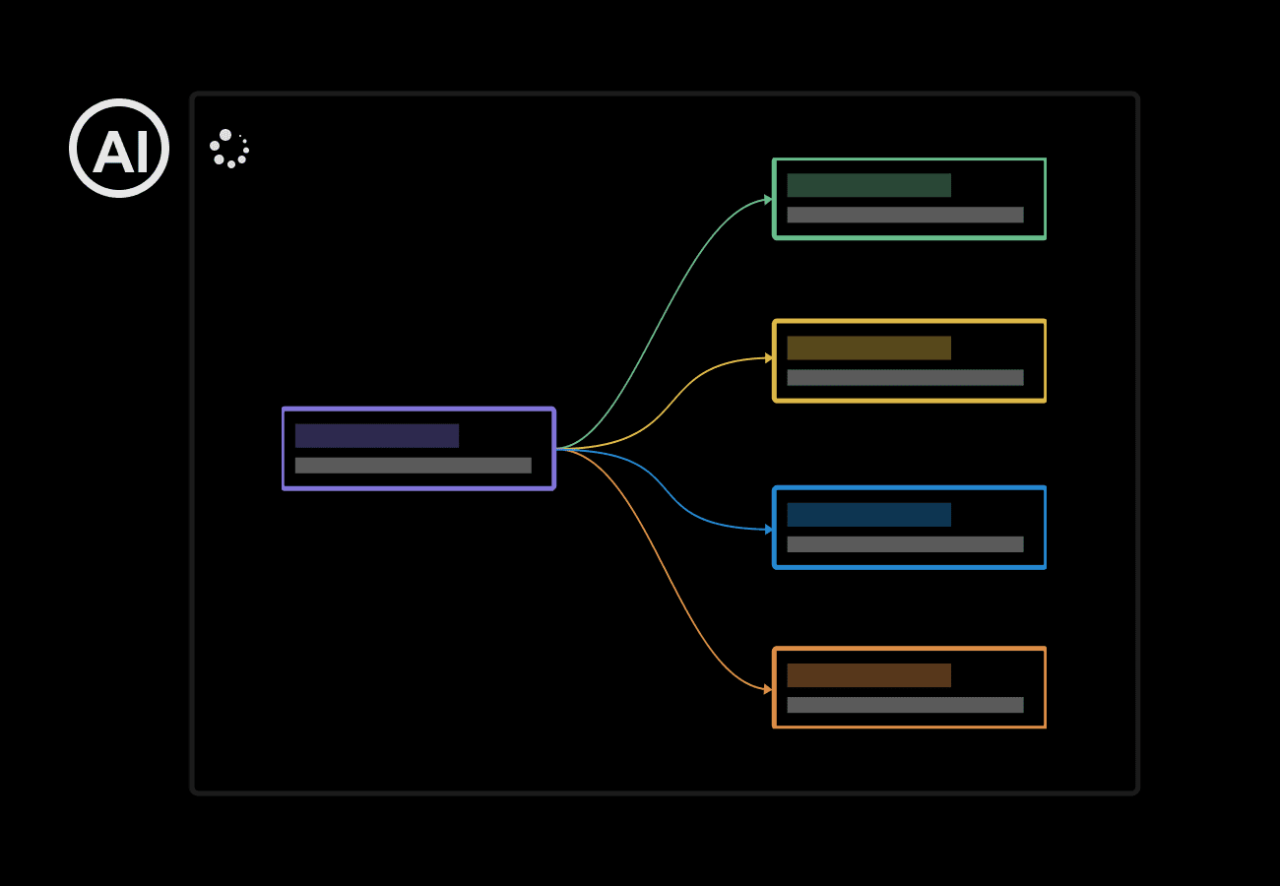
Summarizing complex notes presents unique challenges, as these notes often contain intricate arguments, numerous supporting details, and diverse perspectives. Successfully distilling the essence of such notes requires a systematic approach that goes beyond simple paraphrasing. This section will delve into strategies for breaking down complex notes, identifying key arguments, and ultimately, creating concise and accurate summaries.
Challenges in Summarizing Complex Notes
Complex notes often feature interwoven arguments, multiple perspectives, and extensive supporting details. Distinguishing the main points from the supporting evidence and identifying the core argument can be challenging. The sheer volume of information can be overwhelming, leading to difficulty in prioritizing key concepts. Additionally, the language used in complex notes may be dense, technical, or ambiguous, requiring a deep understanding of the subject matter.
These factors necessitate a structured approach to effectively summarize the material.
Strategies for Breaking Down Complex Notes
Breaking down complex notes into smaller, manageable sections is crucial for effective summarization. This involves identifying natural divisions within the text, such as different sections, arguments, or s. Dividing the note into logical chunks allows for a more focused and detailed understanding of each component. For example, if a note discusses several research studies, breaking down the note into sections, each dedicated to a single study, can be helpful.
This approach allows for more accurate and thorough summarization of each study’s findings.
Identifying Main Arguments and Supporting Evidence
A key step in summarizing complex notes is to identify the central arguments and the evidence supporting them. Careful reading and analysis are necessary to discern the author’s primary claims and the supporting data, examples, or reasoning presented to bolster those claims. A table can be a helpful tool for this process. For instance, creating a table with columns for “Argument,” “Supporting Evidence,” and “Elaboration” allows for a structured overview.
This helps to systematically organize the information, making the main points and supporting details more easily identifiable.
| Argument | Supporting Evidence | Elaboration |
|---|---|---|
| Increased use of technology impacts human interaction. | Studies show decreased face-to-face communication. | Social media use correlates with reduced social interaction. |
| Economic downturns correlate with higher crime rates. | Historical data from multiple countries show a consistent pattern. | Reduced job opportunities and economic stress contribute to criminal activity. |
Summarizing Complex Ideas
Summarizing complex ideas involves more than just condensing information. It requires understanding the underlying concepts and relationships between different ideas. This involves a step-by-step process: first, identify the core concepts; second, analyze the relationships between them; and third, express the core concepts and relationships in a concise and coherent manner. For instance, if a note discusses the interaction between economic policies and environmental sustainability, summarizing the complex interplay between these two requires a clear understanding of the specific policies, their potential impacts on the environment, and the resultant trade-offs.
Using Visual Aids to Summarize Complex Notes
Visual aids can be powerful tools for summarizing complex notes. Mind maps, flowcharts, and diagrams can help to visually represent the relationships between different concepts and arguments. For instance, a mind map can visually depict the interconnected ideas within a complex argument, highlighting the key branches and their supporting details. A flowchart can illustrate the sequence of events or steps in a process.
Diagrams can visually represent complex relationships, like the flow of energy in an ecosystem. Using these visual aids helps to break down complex information into easily digestible chunks and facilitate a more comprehensive understanding.
Integrating Summarization into Workflow
Integrating note summarization into your daily workflow can significantly enhance your productivity and comprehension. This process streamlines information processing, allowing you to quickly access key takeaways and improve retention. A well-defined summarization routine frees mental space, enabling you to focus on more complex tasks and strategic thinking.A consistent summarization process fosters a more organized and efficient approach to information management.
This predictability leads to greater clarity and facilitates easier recall of key ideas, thereby improving your overall learning experience. Furthermore, integrating note summarization across different work environments and learning styles ensures a tailored approach that optimizes productivity and understanding.
Establishing a Consistent Summarization Process
A consistent summarization process is crucial for seamless integration into your workflow. This involves setting aside dedicated time slots for summarization, ideally after you’ve completed your note-taking. Consistency in the method, tools, and time allocated to summarization is essential. This structured approach ensures that summarization becomes an ingrained part of your routine, rather than an occasional activity.
A defined process will create a systematic and efficient information management system.
Integrating Summarization into Different Work Environments
The integration of summarization methods should be tailored to the specific demands of each environment. In academic settings, summarizing notes can help consolidate concepts and identify areas needing further study. In professional contexts, summarization can streamline report writing, meeting minutes, and complex documents. For example, summarizing meeting minutes can aid in identifying key decisions and action items.
Adapting the Process for Different Learning Styles
Different learning styles benefit from varied summarization approaches. Visual learners might find mind maps or visual summaries helpful. Auditory learners could benefit from recording and listening to their summaries. Kinesthetic learners might prefer physical note-taking with active summarization during the process. It is important to find a method that aligns with your preferred learning style to maximize comprehension and retention.
Designing a Workflow for Note Summarization
A well-structured workflow ensures smooth integration of summarization. Consider the following steps:
- Establish a dedicated time slot for summarization. This helps to ensure consistency and reduces procrastination.
- Choose appropriate AI tools that best suit your note-taking style. Consider factors such as speed, accuracy, and compatibility with your existing workflow.
- Select a specific method for summarization based on your learning style and the nature of the notes. This could involve s, bullet points, or even paraphrasing.
- Review and refine the summaries to ensure accuracy and clarity. This step helps to identify any gaps or misinterpretations.
- Establish a system for archiving summaries. This could be a dedicated folder, a cloud-based system, or a combination of both.
By following these steps, you can develop a personalized workflow for effective note summarization that seamlessly integrates into your daily activities. This process will not only improve your comprehension but also save you time and effort in the long run.
Evaluating Summarization Quality
Assessing the quality of a summary is crucial for ensuring its usefulness and reliability. A high-quality summary accurately reflects the original content while being concise and easy to understand. Effective evaluation methods consider multiple aspects, from accuracy and completeness to potential biases. This section will delve into the criteria for evaluating summaries, demonstrating methods for assessment and highlighting strategies for identifying biases.
Criteria for Evaluating Summary Quality
A comprehensive evaluation of a summary involves considering several key criteria. Accuracy, completeness, conciseness, clarity, and objectivity are fundamental elements. A summary that is inaccurate or incomplete will misrepresent the original content, rendering it useless. Conversely, a summary that is overly verbose or lacks clarity will be difficult to understand. Finally, a biased summary may reflect the summarizer’s perspective rather than the content itself.
Assessing Accuracy and Completeness
Accuracy refers to the faithfulness of the summary to the original content. A summary should not introduce false information or misrepresent facts. Completeness refers to the extent to which the summary captures the essential details of the original. A complete summary includes all crucial points and arguments without omitting key information. These aspects are paramount to the value of the summary.
Methods for Evaluating Summaries
Several methods can be employed to evaluate the quality of a summary. Human judgment, where trained evaluators assess the summary’s accuracy and completeness, remains a crucial tool. Quantitative metrics, such as the ROUGE score, can objectively measure the overlap between the summary and the original text. Additionally, comparing summaries generated by different AI models or by humans provides a valuable comparative analysis.
A combination of these methods often provides a more robust evaluation.
Identifying Potential Biases in Summaries
Biases in summaries can arise from various sources, including the summarization algorithm, the training data used, or the summarizer’s own perspective. Identifying these biases requires a critical examination of the summary. Checking for disproportionate emphasis on certain aspects of the text, consistent omission of certain viewpoints, or the presence of emotionally charged language are important indicators. Carefully considering the source and context of the original text, as well as the summarization method, can reveal potential biases.
Rating Summary Qualities
The following table provides a framework for rating different summary qualities. This framework can be adapted to specific needs, but provides a comprehensive assessment of summary quality.
| Quality | Excellent | Good | Fair | Poor |
|---|---|---|---|---|
| Accuracy | Perfectly accurate, no factual errors | Minor inaccuracies, minimal impact | Significant inaccuracies, impacts understanding | Major inaccuracies, severely misrepresents content |
| Completeness | Includes all essential information | Includes most essential information | Omits some essential information | Omits significant information |
| Conciseness | Precise and succinct | Clear and concise, some minor redundancy | Slightly verbose, some redundancy | Verbose, significant redundancy |
| Clarity | Easy to understand, well-organized | Easy to understand, minor ambiguity | Difficult to understand, some ambiguity | Difficult to understand, significant ambiguity |
| Objectivity | Impartial and neutral | Mostly impartial and neutral | Slightly biased, impacts understanding | Highly biased, significantly impacts understanding |
Avoiding Common Pitfalls
Effective note summarization relies not only on sophisticated AI tools but also on careful human intervention. Recognizing and mitigating potential errors is crucial to ensure accurate and insightful summaries. This section details common pitfalls in note summarization and strategies to circumvent them, emphasizing the importance of context understanding.
Misinterpretations and Omissions
Misinterpretations and omissions are common pitfalls in note summarization. These errors often arise from ambiguous language, complex sentence structures, or a lack of context awareness. Failure to fully grasp the nuances of the original text can lead to inaccurate summaries, thus hindering the value of the summarization process. Recognizing these pitfalls is vital for generating precise and relevant outputs.
- Understanding Context is Paramount: Context is the bedrock of accurate summarization. A sentence taken out of its surrounding notes can easily be misinterpreted. For example, a phrase like “The project was delayed” might seem insignificant, but within the context of a project timeline, it carries critical implications.
- Identifying Ambiguous Language: Technical jargon, slang, or colloquialisms can be easily misinterpreted. Carefully define terms and their specific meaning within the note-taking environment. Consider using glossaries or dictionaries to ensure accurate comprehension. For example, a summary of “The CEO is bullish on Q3” would need to clarify if “bullish” in this context refers to positive market projections or employee morale.
- Checking for Omissions: Carefully review the notes to ensure all critical information is included. A lack of focus or a rushed summarization process can lead to omissions. Example: Summarizing a research paper by focusing only on the conclusion without considering the methodology or supporting data.
Preventing Inaccuracies
Ensuring accuracy in summaries is paramount to their effectiveness. Inaccurate summaries can mislead readers and compromise the integrity of the original information. Strategies for minimizing inaccuracies focus on thoroughness and careful consideration.
- Employing Multiple Summarization Techniques: Using different summarization methods (e.g., extractive, abstractive) can help validate the information and ensure no critical details are overlooked. For instance, comparing a concise extractive summary with a more detailed abstractive one can reveal nuances that were missed.
- Cross-Referencing Information: Whenever possible, cross-reference information from different sources or parts of the notes to verify the accuracy of the summary. This is especially useful when dealing with complex topics.
- Regular Review and Revision: Thoroughly review the generated summary to identify any inconsistencies or inaccuracies. A post-summarization review helps catch errors that might have been missed during the initial summarization process.
Understanding the Context of Notes
A comprehensive understanding of the context surrounding the notes is essential for accurate summarization. The purpose of the notes, the audience they are intended for, and the overall information flow within the document must be considered.
- Identifying the Purpose of the Notes: Knowing the purpose behind the note-taking session clarifies the significance of different details. For example, notes taken during a meeting to brainstorm new marketing strategies will have a different emphasis than notes taken during a product review meeting.
- Considering the Intended Audience: The intended audience for the summary influences the language and level of detail required. A summary for technical experts will differ from a summary for a general audience.
- Analyzing Information Flow: Identifying the sequence and relationships between different ideas and concepts within the notes is critical for a coherent summary. This requires an understanding of the overall flow of information.
Mitigating Common Pitfalls with Examples
The following examples illustrate how to mitigate common pitfalls:
- Example 1 (Misinterpretation): Original note: “The team’s performance was excellent, but the project deadline was missed.” Summary (without context): “Excellent team performance.” Mitigation: Understanding the project context reveals the negative impact of missing the deadline. A more accurate summary would include both aspects.
- Example 2 (Omission): Original notes: Detailed description of a new product feature, followed by a cost analysis. Summary (incomplete): “New feature launched.” Mitigation: A comprehensive summary should include both the new feature and the cost analysis.
End of Discussion
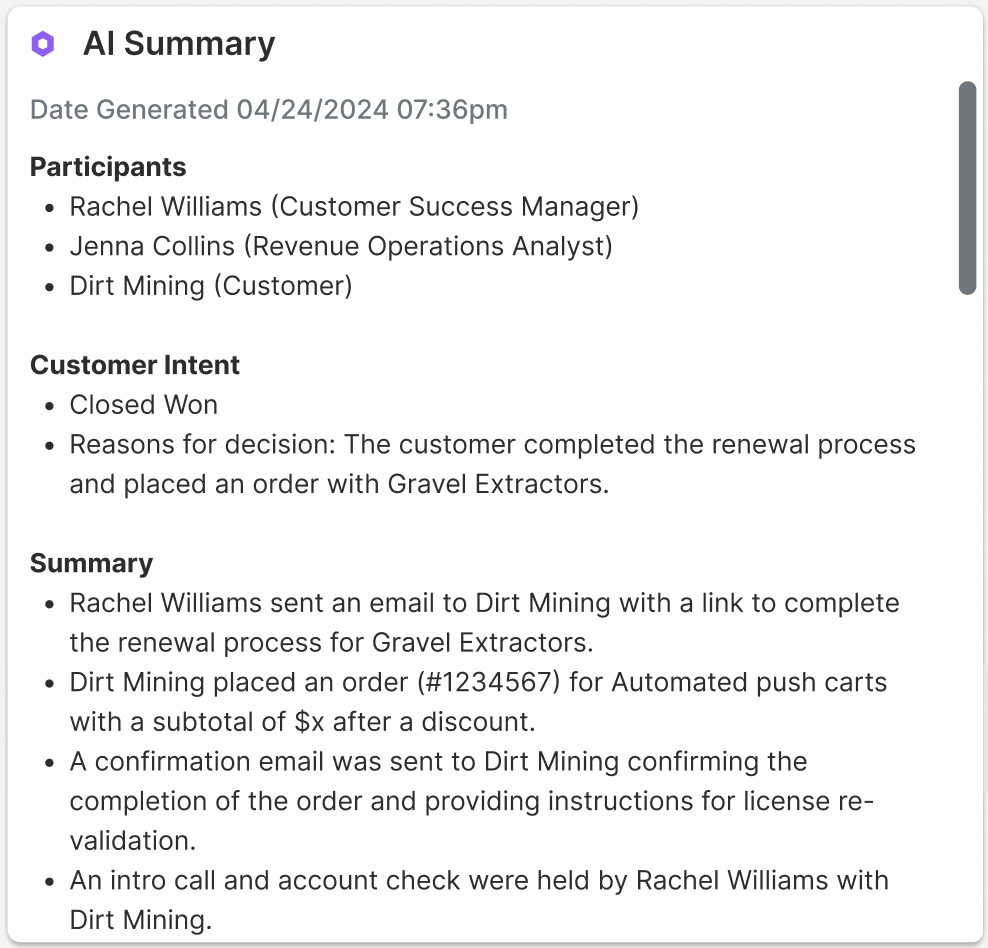
This exploration of AI-powered note summarization has provided a roadmap for transforming raw notes into actionable insights. We’ve covered various note formats, AI tools, and methods for effective summarization, equipping you with the knowledge to navigate complex notes and integrate summarization into your daily routines. By mastering these techniques, you can streamline your learning and work processes, ensuring that you extract the maximum value from your notes.