Artificial intelligence (AI) tutors are rapidly transforming the landscape of academic support. This guide delves into the practical applications of AI tutors for homework, exploring their diverse functionalities and the effective strategies for integrating them into your study routine. We will cover various types of AI tutors, their strengths and weaknesses, and how they can be leveraged for different homework tasks.
Understanding these tools and their potential will empower students to maximize their learning outcomes.
From personalized learning experiences to customized feedback, AI tutors offer a unique approach to homework assistance. This guide explores the potential benefits and limitations, comparing AI tutoring with traditional methods, and highlighting the crucial role of human interaction in the learning process. Ultimately, we aim to equip you with the knowledge and strategies to harness the power of AI tutors for effective and engaging homework completion.
Introduction to AI Tutors for Homework
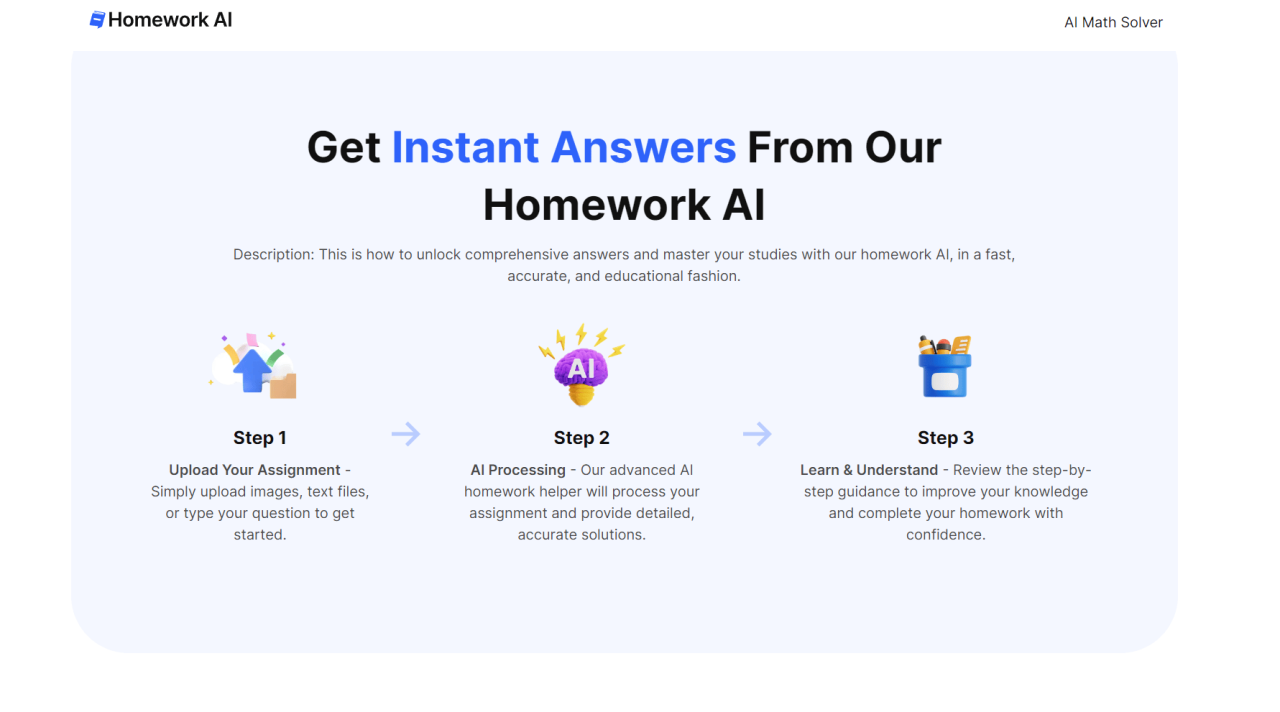
Artificial intelligence (AI) is rapidly transforming various aspects of education, and AI tutors are emerging as a powerful tool for enhancing academic support. These intelligent systems offer personalized learning experiences, tailored feedback, and 24/7 accessibility, potentially addressing individual learning needs and improving student outcomes. Their ability to adapt to diverse learning styles and provide immediate support makes them a valuable resource for students.AI tutors leverage sophisticated algorithms and vast datasets to provide comprehensive assistance.
They can adapt their teaching methods to suit individual student needs and learning styles, offering a level of personalization previously unattainable in traditional tutoring settings. This dynamic interaction with the AI can help students overcome challenges and develop a deeper understanding of complex concepts.
Different Types of AI Tutors
AI tutors come in various forms, each designed to address specific educational needs. Some tutors focus on providing step-by-step explanations and guidance for specific subjects, while others are built to simulate interactive discussions and conversations. The diverse range of functionalities offered allows students to benefit from tailored support in various ways. Different AI tutor platforms use varied techniques, such as natural language processing, machine learning, and expert systems, to interact with students and provide relevant information.
AI Tutor Functionalities
AI tutors offer a wide array of functionalities that support students in various ways. These functionalities include personalized learning paths, targeted feedback on assignments, and the ability to simulate practice tests. The personalized learning paths adapt to each student’s progress, ensuring optimal learning experiences. Targeted feedback enables students to identify areas where they need further development. Simulating practice tests helps students familiarize themselves with the format and content of assessments.
This multifaceted approach to learning support can help students improve their understanding and performance.
How AI Tutors Can Be Used for Homework Assistance
AI tutors can significantly aid in homework completion by providing comprehensive support. They can break down complex problems into smaller, manageable steps, offer explanations and examples, and provide targeted feedback on the student’s approach. AI tutors can also identify potential areas of misunderstanding and offer alternative explanations to help students grasp the concepts more effectively. These features can effectively guide students through their homework, promoting a deeper understanding of the subject matter.
Comparison of AI Tutor Platforms
| Platform | Pricing | Features | User Reviews |
|---|---|---|---|
| TutorMe | Subscription-based, varying tiers | Personalized learning paths, adaptive exercises, progress tracking, detailed feedback. | Generally positive, highlighting personalized learning experience and helpful feedback. Some users report occasional technical glitches. |
| StudyBuddy | Free basic tier, paid premium features | Interactive lessons, practice quizzes, real-time feedback, progress reporting. | Positive feedback regarding the interactive nature of the lessons and ease of use. Some users note limited subject coverage in the free tier. |
| SmartTutor | Monthly or annual subscription | Adaptive learning paths, AI-powered grading, personalized study plans, and extensive question bank. | High ratings for the extensive content library and AI-powered features, but some users have reported issues with understanding specific feedback. |
Note: Pricing and features may vary depending on the specific plan chosen. User reviews are based on publicly available information and may not reflect all user experiences.
Effective Strategies for Using AI Tutors
AI tutors offer a powerful tool for enhancing learning and understanding. By strategically integrating them into your study routine, you can significantly improve your homework completion and overall academic performance. These tools are particularly beneficial for diverse learning styles and can provide personalized support tailored to individual needs.Effective use of AI tutors involves more than simply inputting your homework questions.
It necessitates a proactive and engaged approach to learning. Students must actively participate in the process, utilizing the AI tutor as a resource rather than a passive answer provider. This active learning approach is crucial for solidifying knowledge and fostering a deeper understanding of the subject matter.
Maximizing AI Tutor Assistance for Different Homework Types
AI tutors can be invaluable resources for various homework assignments. Understanding how to best utilize them for different tasks can significantly improve your study efficiency. Effective strategies for using AI tutors depend on the specific homework type.
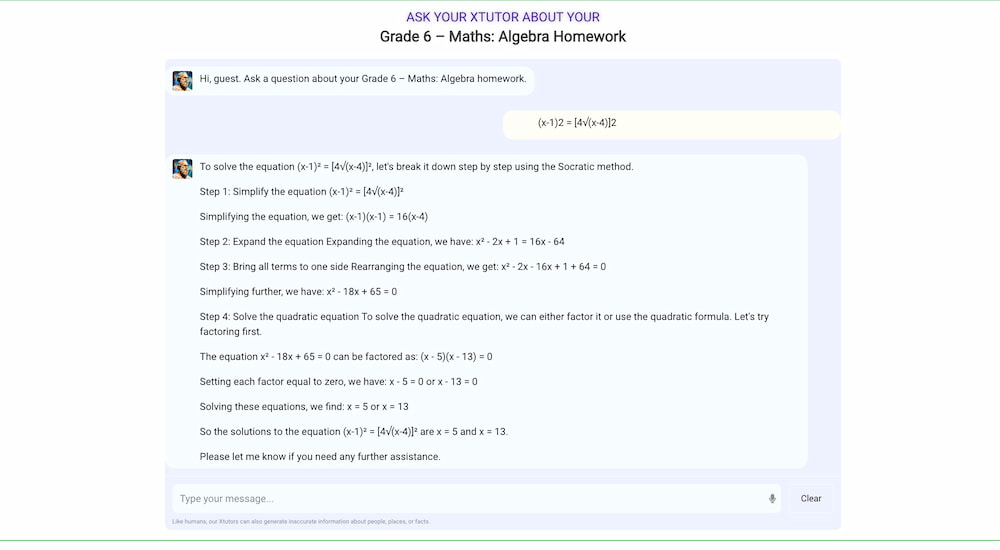
- For problem-solving assignments, such as math or physics problems, AI tutors can provide step-by-step solutions, identify common errors, and offer alternative approaches. This can help students understand the underlying concepts and develop problem-solving skills. For example, if a student is struggling with a complex algebraic equation, an AI tutor can break down the solution into manageable steps, highlighting the relevant formulas and techniques.
By understanding the reasoning behind each step, the student can solidify their grasp of the underlying concepts.
- In subjects requiring research, AI tutors can help with generating potential research questions, summarizing information from multiple sources, and even crafting initial drafts of essays. They can act as research assistants, providing summaries and analyses of complex topics to enhance understanding. For instance, when conducting research for a history essay, an AI tutor can help identify relevant historical sources and provide concise summaries of their content, which can be integrated into a student’s research process.
- For language-based assignments, like writing essays or practicing grammar, AI tutors can offer suggestions for improving sentence structure, vocabulary, and clarity. These tutors can also help with identifying and correcting grammatical errors. Students can utilize these tools to improve the overall quality of their writing. For example, an AI tutor can provide suggestions for alternative phrasing, enhancing the clarity and impact of a student’s writing in a creative writing assignment.
Integrating AI Tutor Assistance into Existing Study Routines
To effectively integrate AI tutors into your study routine, consider these strategies:
- Schedule dedicated time for AI tutor use, treating it as part of your study plan. This structured approach will ensure consistent use and prevent procrastination. For example, allocating 30 minutes each day for utilizing an AI tutor for math problems, or 15 minutes before starting research, can help develop a routine.
- Use AI tutors as a tool to reinforce learning, rather than a primary source of information. Supplementing your existing study materials and textbooks with AI tutor assistance will provide a more holistic learning experience. For instance, after reading a chapter in a textbook, using an AI tutor to answer related questions can reinforce the concepts.
- Seek clarification on areas of confusion using AI tutors. If a concept remains unclear, use the tutor to explore different explanations or examples. This iterative approach to learning will significantly enhance understanding. For instance, if a student encounters difficulty understanding a complex scientific principle, an AI tutor can offer alternative explanations or related examples, aiding in comprehension.
Importance of Student Engagement and Active Learning
Active engagement with AI tutors is crucial for maximizing their effectiveness. Students should not passively receive answers but should actively interpret and apply the information provided by the tutor. This active learning process strengthens understanding and improves retention.
Utilizing AI Tutors to Enhance Understanding of Complex Concepts
AI tutors can simplify complex concepts by breaking them down into smaller, more manageable parts. This breakdown allows for a more gradual understanding, reducing the cognitive load and fostering deeper comprehension. For instance, when learning about quantum mechanics, an AI tutor can provide visual representations and analogies to explain abstract concepts, making them more accessible.
AI Tutor Assistance for Different Homework Types
| Homework Type | AI Tutor Function | Student Role | Expected Outcome |
|---|---|---|---|
| Problem-solving (Math, Physics) | Provides step-by-step solutions, identifies errors, offers alternative approaches | Analyzes solutions, asks clarifying questions, attempts similar problems | Improved understanding of concepts, enhanced problem-solving skills |
| Research-based (History, Social Studies) | Generates research questions, summarizes information, analyzes sources | Critically evaluates summaries, formulates arguments, integrates information into research | Improved research skills, stronger understanding of topic, well-supported arguments |
| Language-based (Writing, Grammar) | Offers suggestions for sentence structure, vocabulary, clarity, and grammatical corrections | Reviews suggestions, revises writing, applies feedback to future assignments | Improved writing quality, enhanced language skills, better communication |
Benefits and Limitations of AI Tutors
AI tutors represent a rapidly evolving educational tool, offering potential advantages for students but also presenting certain limitations. Understanding both the strengths and weaknesses is crucial for maximizing their effectiveness and integrating them thoughtfully into the learning process. These tools can be powerful learning aids, but they are not a replacement for human interaction and guidance.AI tutors provide a wealth of benefits, including 24/7 accessibility and personalized learning experiences.
However, relying solely on AI for learning carries inherent risks, especially concerning the development of critical thinking and nuanced understanding. Careful consideration of these factors is essential for effective integration into the educational landscape.
Potential Advantages of AI Tutors
AI tutors can offer personalized learning paths tailored to individual student needs and learning styles. They can adapt to a student’s pace and provide immediate feedback, enabling targeted practice and reinforcement. This adaptability can be particularly beneficial for students who require extra support or those who learn at different speeds. Furthermore, the availability of AI tutors 24/7 allows for flexibility in learning schedules, accommodating various time constraints and commitments.
AI tutors can also provide extensive practice exercises and detailed explanations, which can supplement traditional teaching methods.
Limitations of AI Tutors
Relying solely on AI tutors can hinder the development of crucial critical thinking skills. AI tutors primarily focus on providing factual information and procedural knowledge, but they may not effectively cultivate the ability to analyze, evaluate, and synthesize information – abilities crucial for higher-level learning. Moreover, the lack of human interaction can limit the development of essential social and emotional skills.
The ability to discuss complex ideas, debate different perspectives, and navigate social dynamics is significantly impacted by the absence of human interaction.
Comparison with Traditional Tutoring Methods
Traditional tutoring methods often incorporate human interaction, fostering deeper learning through dialogue and personalized guidance. AI tutors excel at providing structured practice and immediate feedback, but they fall short in providing the nuanced understanding and critical thinking development fostered by human interaction. While AI tutors can supplement traditional methods, they cannot fully replace the role of human tutors in providing emotional support and personalized guidance.
Role of Human Interaction in Learning
Human interaction plays a critical role in fostering deeper understanding and critical thinking. Students benefit from the ability to ask clarifying questions, discuss complex ideas, and receive personalized feedback from a human tutor. This dynamic interaction encourages critical analysis and helps students develop a more nuanced understanding of the subject matter. AI tutors can enhance the learning experience, but they should be viewed as complementary tools, not replacements for human interaction.
Comparison Table: AI Tutors
| Advantages | Disadvantages |
|---|---|
| Personalized learning paths tailored to individual needs | Limited development of critical thinking skills |
| 24/7 accessibility | Potential for limited social and emotional skill development |
| Immediate feedback and targeted practice | Inability to provide nuanced understanding and personalized guidance |
| Extensive practice exercises and detailed explanations | Potential for over-reliance, hindering independent learning |
Integrating AI Tutors into the Learning Process
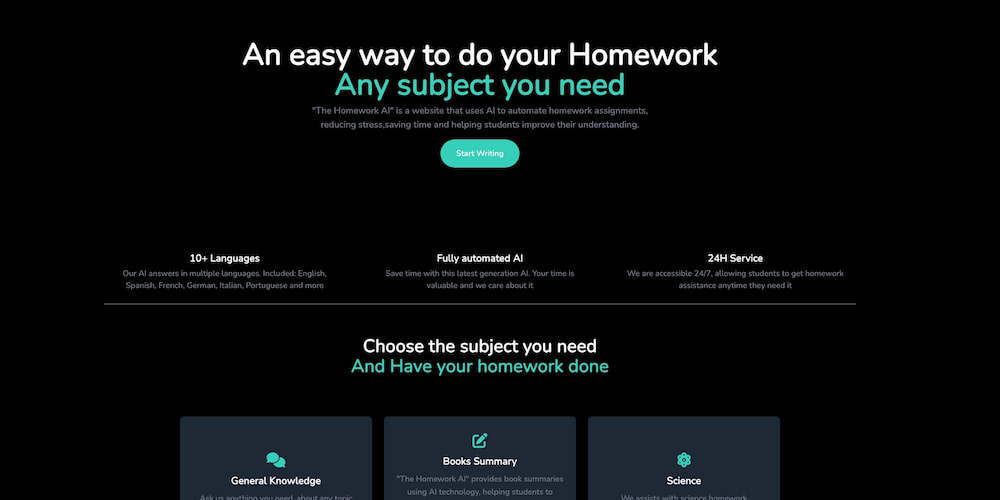
AI tutors offer a transformative potential for enhancing the learning experience, moving beyond traditional methods. By seamlessly integrating AI tutors into the curriculum, educators can personalize learning paths, provide targeted feedback, and empower students to take ownership of their education. This approach leverages the strengths of both human instructors and AI capabilities to create a more effective and engaging learning environment.Effective integration strategies are crucial for maximizing the benefits of AI tutors.
These strategies consider the specific needs of students and teachers, ensuring that the technology complements, rather than replaces, the valuable role of human interaction. Teachers play a critical role in guiding students through the process of using AI tutors effectively, fostering a collaborative learning environment.
Strategies for Incorporating AI Tutors into the Curriculum
Effective integration requires careful planning and implementation. Teachers should consider the specific learning objectives and student needs when incorporating AI tutors. A phased approach, starting with pilot programs and gradually expanding integration, is often beneficial. This allows for adjustments and refinements based on observed outcomes.
- Curriculum Alignment: AI tutors should be aligned with existing curriculum goals and learning objectives. This ensures that the technology supports, rather than diverges from, the intended educational outcomes. For example, if the curriculum emphasizes critical thinking, AI tutors can be utilized to present complex scenarios and evaluate student responses based on critical thinking frameworks.
- Gradual Integration: Begin with limited use cases, gradually increasing the integration as teachers and students become more comfortable and proficient. Start by incorporating AI tutors for supplementary practice or homework support before expanding their use to core learning activities.
- Student-Centered Design: Design learning activities that empower students to take control of their learning process with the assistance of AI tutors. This involves incorporating interactive exercises, personalized feedback, and opportunities for self-reflection.
Examples of AI Tutor Use in Enhancing Learning
AI tutors can be utilized in various ways to enhance learning experiences. For instance, they can offer personalized practice exercises based on student performance. Teachers can also leverage AI tutors to create tailored learning paths that address individual student needs.
- Personalized Practice Exercises: AI tutors can analyze student performance on assignments and create customized practice exercises that target specific areas where students are struggling. For example, if a student consistently makes errors in solving quadratic equations, the AI tutor can provide targeted practice problems focusing on that specific skill.
- Adaptive Learning Paths: AI tutors can adapt the learning path based on student progress. If a student is excelling in a particular topic, the tutor can present more challenging material. Conversely, if a student is struggling, the tutor can provide more support and remediation.
Personalizing Learning Experiences with AI Tutors
AI tutors can significantly personalize learning experiences by adapting to individual student needs and learning styles. They can analyze student performance and provide targeted support, creating a more effective learning environment.
- Dynamic Content Delivery: AI tutors can adjust the difficulty and complexity of content based on student performance. This allows students to progress at their own pace and focus on areas requiring more attention.
- Personalized Feedback: AI tutors can provide detailed and specific feedback on student work, identifying strengths and weaknesses and offering suggestions for improvement. This individualized feedback helps students understand their errors and fosters a deeper understanding of the subject matter.
Role of Teachers in Guiding Student Use of AI Tutors
Teachers play a critical role in guiding students through the use of AI tutors. Their role is to ensure that AI tutors are used effectively to complement, not replace, the learning process.
- Guidance and Support: Teachers should guide students on how to effectively utilize AI tutors, providing support and addressing any questions or concerns they might have.
- Collaboration and Feedback: Teachers should incorporate AI tutor feedback into their classroom discussions and provide supplementary explanations or clarifications where needed. This fosters a more collaborative learning environment.
Using AI Tutors for Customized Feedback on Homework
AI tutors can provide detailed and customized feedback on homework assignments. This feedback helps students understand their mistakes and areas needing improvement. The feedback is often more specific than traditional methods, allowing students to pinpoint areas needing attention.
- Identifying Strengths and Weaknesses: AI tutors can identify areas where students excel and areas where they need additional support, providing a more comprehensive analysis of their understanding.
- Specific Error Analysis: The AI tutor can pinpoint specific errors in student work, offering detailed explanations of the correct approach and highlighting the areas where the student went astray.
Step-by-Step Procedure for Using an AI Tutor for a Math Homework Assignment
This procedure Artikels the steps for using an AI tutor to complete a specific type of math homework assignment, demonstrating how AI tutors can streamline the learning process.
- Problem Identification: Clearly identify the math problem or assignment the student needs help with. This includes specifying the type of problem (e.g., algebraic equation, geometry theorem) and any specific instructions or requirements.
- Inputting the Problem: Input the problem into the AI tutor, ensuring accurate and complete information. This step includes providing necessary context, diagrams, or other supporting information.
- AI Tutor Solution: The AI tutor will analyze the problem and provide a solution, which might include steps, explanations, and justifications.
- Review and Understanding: Carefully review the AI tutor’s solution, paying attention to any steps or concepts that are unclear. If necessary, ask clarifying questions to the AI tutor or consult additional resources.
- Application to Similar Problems: Apply the knowledge gained from the solution to similar problems to reinforce learning and understanding.
Student Perspective on AI Tutor Use
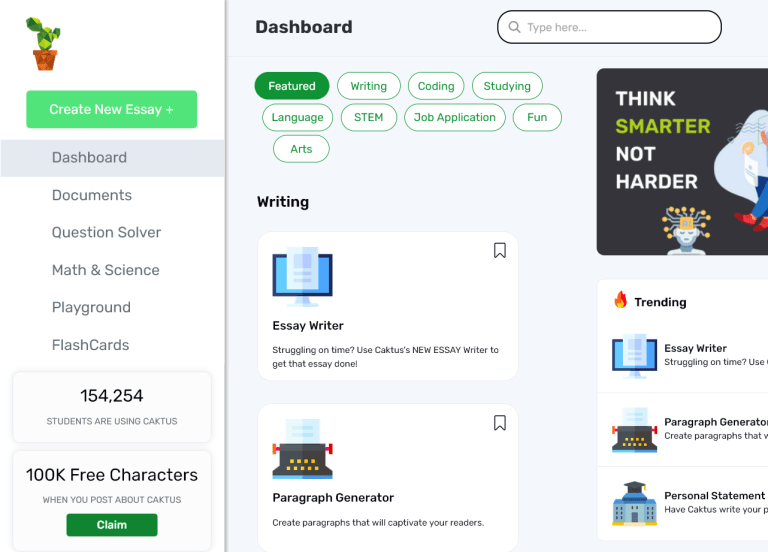
Students are increasingly interacting with AI tutors, and their perspectives on these tools are multifaceted. They see AI tutors as a valuable resource, yet also recognize potential limitations. Understanding student perceptions is crucial for optimizing the design and implementation of AI tutors in educational settings.
Student Perceptions of Value
Students generally perceive AI tutors as helpful supplementary tools for homework. They appreciate the immediate feedback and personalized guidance offered, which can be especially beneficial for complex concepts or when struggling with specific problems. The availability of AI tutors 24/7 is also viewed positively, allowing students to access support outside of regular class hours. Moreover, students often find the interactive nature of AI tutors more engaging than traditional study materials.
Impact on Student Motivation and Engagement
AI tutors can positively influence student motivation and engagement. Personalized feedback and tailored explanations can increase student confidence and a sense of accomplishment, thereby fostering a more positive learning experience. The interactive nature of AI tutors can also improve student engagement by making learning more dynamic and less passive. However, the effectiveness of AI tutors in boosting motivation and engagement may vary depending on the individual student and the subject matter.
Student Experiences with AI Tutors
Students using AI tutors for various subjects have reported diverse experiences. In mathematics, students have found AI tutors particularly helpful for understanding complex algebraic equations and geometric proofs. Students in science have appreciated the ability of AI tutors to explain scientific concepts in a clear and concise manner, often providing step-by-step solutions to experiments. Furthermore, in language arts, students have found AI tutors useful for grammar exercises and improving their writing skills.
Common Student Concerns Regarding AI Tutor Use
Students may express concerns about the accuracy and reliability of AI tutor responses. They might question the depth of understanding AI tutors demonstrate or whether they can truly replace human interaction. Another common concern is the potential for AI tutors to reinforce misconceptions if not used correctly. Furthermore, some students express a desire for human interaction in learning, fearing a lack of personalized attention and human connection.
Impact on Problem-Solving Skills
AI tutors can enhance students’ problem-solving skills by providing step-by-step guidance and explanations. However, they may also potentially hinder the development of critical thinking if students rely too heavily on the AI tutor to solve problems without understanding the underlying concepts. To maximize the positive impact on problem-solving skills, students need to actively engage with the AI tutor’s explanations and critically analyze the solutions provided.
Students should use AI tutors as a tool to explore different approaches to problem-solving rather than relying solely on the AI tutor’s solutions.
Future Trends in AI Tutoring
AI tutoring systems are rapidly evolving, moving beyond basic question-answering to more sophisticated learning platforms. These systems are increasingly capable of adapting to individual student needs, offering personalized feedback, and fostering a more engaging learning experience. This evolution promises to significantly impact the future of education, potentially revolutionizing how students learn and teachers support them.
Emerging Trends in AI Tutoring Technology
AI tutoring is progressing along several key fronts. The development of natural language processing (NLP) capabilities allows AI tutors to understand and respond to student queries more effectively, providing more nuanced and relevant feedback. Furthermore, advancements in machine learning enable tutors to personalize learning pathways and adapt to the unique learning styles of individual students.
Examples of Evolving AI Tutors
AI tutors are demonstrating increasing sophistication in their ability to provide individualized support. For instance, some systems now incorporate adaptive assessments that dynamically adjust the difficulty of questions based on student performance. Others use sophisticated algorithms to identify and address student misconceptions, providing targeted interventions to improve understanding. This personalization ensures that the learning experience is optimized for each student.
Potential Impact on the Future of Education
AI tutors have the potential to significantly transform the education landscape. By providing personalized learning experiences, AI tutors can help students achieve deeper understanding and mastery of subjects. This could lead to improved academic outcomes, increased student engagement, and more efficient use of educational resources. Teachers, freed from repetitive tasks, could focus on more complex interactions with students, offering personalized support and guidance.
Ethical Considerations
The increasing use of AI tutors raises important ethical considerations. Ensuring fairness and equity in access to these tools is crucial. Bias in the algorithms used by AI tutors needs careful scrutiny to prevent perpetuating existing inequalities in education. Furthermore, issues of data privacy and security must be addressed to protect student information. The development and implementation of robust ethical guidelines and policies are essential for responsible AI tutor development and deployment.
Supporting Students with Diverse Learning Needs
AI tutors hold the potential to provide tailored support for students with diverse learning needs. For instance, AI tutors can be programmed to offer multiple learning pathways and formats, catering to different learning styles and preferences. Further, they can provide individualized feedback and support, adapting to the unique challenges faced by students with disabilities. This ability to personalize learning experiences makes AI tutors a valuable tool for inclusivity in education.
Conclusion
In conclusion, this comprehensive guide has illuminated the multifaceted role of AI tutors in modern homework assistance. We have examined the various strategies for effective utilization, acknowledging both the advantages and limitations. By understanding how to integrate AI tutors into your learning process, students can unlock personalized learning experiences and achieve greater academic success. Furthermore, the future of AI tutoring holds immense potential for revolutionizing education, emphasizing the importance of human guidance and support.