Unlocking the potential of AI for language learning is now easier than ever. This guide provides a practical approach to translating study notes with AI, covering everything from choosing the right tools to integrating the translated content into your study routine. Whether you’re tackling lecture notes, textbooks, or research papers, this comprehensive resource equips you with the skills to enhance your academic journey.
From understanding the fundamental principles of AI-powered translation to identifying the most suitable tools, this guide simplifies the process. Learn how to optimize your notes for accurate translation and master techniques for improving the quality of the output. Finally, address potential challenges and integrate the translated content seamlessly into your existing study habits.
Introduction to AI-Powered Note Translation
AI-assisted note translation leverages artificial intelligence (AI) to automatically translate study materials, such as lecture notes, textbook excerpts, and research papers. This technology relies on sophisticated algorithms and large language models to understand and reproduce the meaning of the original text in a different language. This process offers a more efficient and potentially more accessible way to learn material compared to traditional methods.The fundamental principle behind AI in language processing lies in its ability to analyze and interpret complex patterns in vast datasets of text and translate them effectively.
AI models are trained on massive corpora of text, enabling them to learn the nuances of different languages and translate them with increasing accuracy. This allows for the potential for faster and more accurate translations compared to manual methods.
Types of Study Notes Translatable by AI
AI translation tools can process various types of study notes, making the learning process more accessible to students. This includes lecture notes, textbook excerpts, and research papers. Lecture notes often contain complex terminology and jargon specific to the subject matter. Textbook excerpts provide condensed explanations of concepts and theories, while research papers present in-depth analyses and discussions of a particular topic.
The diversity of these notes ensures that AI translation can cater to different learning styles and academic needs.
Examples of Improved Accessibility
AI-powered note translation enhances accessibility for students by bridging language barriers. Students studying abroad or from non-native language backgrounds can readily access lecture notes and textbooks in their native language. This improves their understanding and participation in the classroom, promoting a more inclusive learning environment. Furthermore, students can quickly access foreign research materials for their projects, expanding their knowledge base.
Comparison of AI and Traditional Translation Methods
| Feature | AI Translation | Traditional Methods |
|---|---|---|
| Speed | Fast; translation can occur in real-time or near real-time. | Slow; often requiring human intervention and significant time investment. |
| Accuracy | High, especially with well-trained models and high-quality training data. | Variable; accuracy depends on the translator’s proficiency and understanding of the subject matter. |
| Cost | Potentially low; many online tools offer free or low-cost options. | High; may involve costs associated with hiring human translators or using professional translation services. |
| Accessibility | High; online tools make AI translation readily available to a wide range of users. | Limited; language barriers can restrict access to study materials for students from non-native language backgrounds. |
This table highlights the significant advantages of AI translation in terms of speed, cost, and accessibility, while acknowledging the importance of appropriate training data in ensuring accuracy.
Identifying Suitable AI Translation Tools

Choosing the right AI translation tool is crucial for effectively translating study notes. Different platforms offer varying capabilities, and understanding their strengths and weaknesses is essential for optimal results. This section delves into the available platforms, compares their features, and highlights key characteristics for translating study materials.
Available AI Translation Platforms
Numerous platforms offer AI-powered translation services, catering to diverse needs and preferences. These platforms include Google Translate, DeepL, Microsoft Translator, and dedicated note-translation apps. Each platform employs different algorithms and training data, impacting the accuracy and nuance of the translations. Understanding these distinctions is key to selecting the most appropriate tool for your specific study needs.
Comparison of Features and Functionalities
Different translation tools offer varying functionalities. Some focus on speed and basic translations, while others prioritize context preservation and nuanced vocabulary. Tools like Google Translate excel in quick, general translations but may sometimes lack the depth required for technical or academic materials. Conversely, specialized note translation tools often boast enhanced context awareness and superior vocabulary accuracy, particularly for specific academic disciplines.
Careful consideration of the specific nuances of your study notes is essential.
Key Features for Study Notes
Several key features distinguish effective note translation tools. Accuracy in vocabulary and terminology is paramount for preserving the original meaning. Context preservation is also crucial to ensure that the translated notes retain the intended meaning and flow. Tools that allow for user adjustments or manual intervention are advantageous for correcting inaccuracies and fine-tuning the output. A user-friendly interface and the ability to handle various file formats are also important.
Five Free/Affordable Tools and Their Characteristics
Here are five free or affordable tools with their respective strengths and weaknesses:
- Google Translate: Free and readily accessible, Google Translate offers basic translations. Its strength lies in its speed and broad coverage. However, its accuracy may be compromised in complex or specialized academic contexts, and context preservation is often less robust than in dedicated note translation tools. It’s suitable for simple phrases or initial translations, but may require further review for study-level accuracy.
- DeepL: DeepL is another popular free and paid option known for its high accuracy and nuanced translations. It excels in preserving the context and vocabulary, making it suitable for complex academic material. The paid version unlocks additional features and capabilities. Its initial free tier offers sufficient translations for many use cases, but users with extensive note translation needs might prefer the paid version for enhanced functionality.
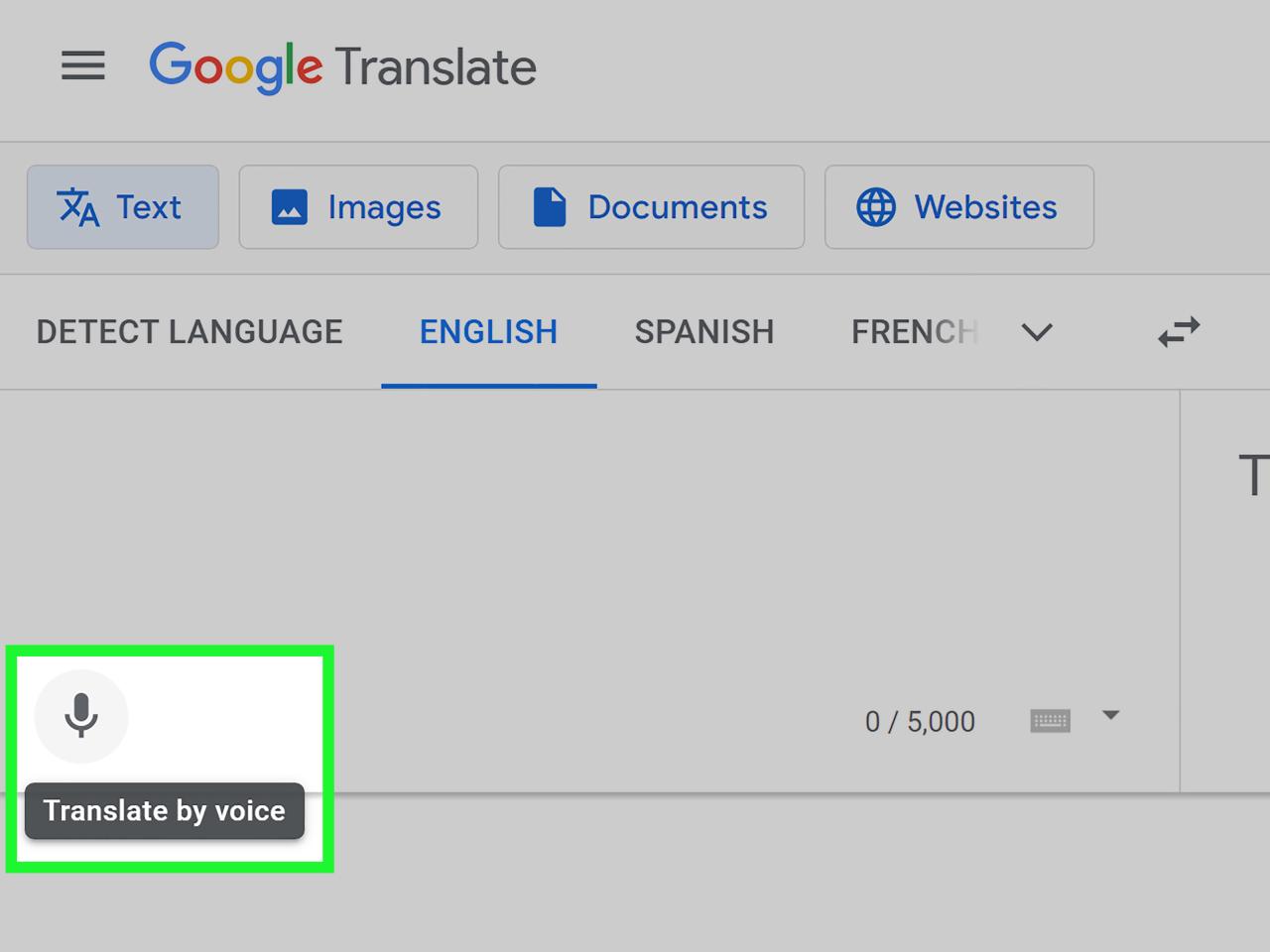
- Microsoft Translator: This free platform provides decent translation quality. It handles various file formats and offers features such as real-time voice translation. However, its accuracy may not be as consistent as DeepL’s, especially for specialized terminology. It’s a good general-purpose tool but might require manual adjustments for academic note accuracy.
- Papago (NAVER): This free tool is a reliable option for translating text, offering decent context preservation and vocabulary accuracy. It excels in translations from and to various languages, including some less common languages. However, it may have limitations in handling very specific academic terminology. The user interface is generally intuitive and user-friendly.
- QTranslate: QTranslate is a free and open-source application that works as a translator extension for web browsers. Its ability to translate in real time while browsing the web is a key advantage. Its functionality extends beyond simple translation to more nuanced meanings, which is helpful for understanding and contextualizing study materials. The accuracy of translation can vary depending on the language pair and the complexity of the text.
Tool Comparison Table
| Tool | Ease of Use | Cost | Strengths | Weaknesses |
|---|---|---|---|---|
| Google Translate | Very Easy | Free | Speed, broad language coverage | Accuracy may be limited for complex texts, poor context preservation |
| DeepL | Easy | Free/Paid | High accuracy, good context preservation, nuanced vocabulary | Free tier may have limitations, paid version required for extensive use |
| Microsoft Translator | Easy | Free | Variety of formats, real-time voice translation | Accuracy may not be as consistent as DeepL, specialized terminology might be challenging |
| Papago (NAVER) | Easy | Free | Decent accuracy, handles various languages | Potential limitations with specialized academic terminology |
| QTranslate | Easy | Free | Real-time translation in web browsers, supports various languages | Accuracy can vary depending on language pair and complexity |
Preparing Study Notes for Translation
High-quality AI translation relies heavily on the clarity and formatting of the source material. Proper preparation of study notes significantly impacts the accuracy and effectiveness of the translation process. This section details best practices for optimizing your notes for AI translation, ensuring a smooth and successful conversion.Effective note translation hinges on clear presentation. The AI translation engine requires well-structured and easily understandable input to generate an accurate and coherent translation.
This involves paying attention to formatting, grammar, and overall clarity within your notes. The more organized and precise your notes, the better the AI can understand and translate their content.
Formatting and Clarity
Clear and consistent formatting is crucial for AI translation. Unorganized or poorly formatted notes can confuse the AI, leading to inaccuracies or misunderstandings in the translated text. Maintaining a consistent style, using proper grammar, and ensuring legible handwriting (if handwritten) are key to successful note translation. Consistent use of abbreviations, symbols, or formatting styles throughout your notes will also help the AI process the information more efficiently.
Optimizing for AI Translation
Several strategies can help to optimize your study notes for AI translation. Employing clear and concise language will greatly enhance the accuracy of the translation. Avoid slang, colloquialisms, and overly complex sentence structures. Prioritize simple and direct language. Use proper grammar and punctuation.
If your notes are handwritten, ensure your handwriting is legible. Digitalization of handwritten notes through scanning or digitization can help maintain quality and clarity.
Formatting and Structure for Successful Translation
The structure of your study notes significantly influences the translation process. Well-organized notes with clear headings, subheadings, and bullet points allow the AI to quickly identify key information and translate it effectively. Using consistent formatting throughout your notes will help the AI better understand the relationships between different concepts and improve the translation quality.
Common Formatting Issues and Solutions
Poor formatting can hinder the accuracy of AI translation. Below is a table outlining common problems and their potential solutions:
| Problem | Description | Solution |
|---|---|---|
| Inconsistent Formatting | Varying font sizes, colors, or styles within the notes. | Use a consistent formatting style throughout the notes. |
| Poor Handwriting | Illegible handwriting, making it difficult for AI to process the content. | Ensure your handwriting is clear and legible. If handwritten, consider digitizing your notes. |
| Lack of Spacing | Insufficient spacing between words, sentences, or paragraphs. | Use appropriate spacing between elements to improve readability and aid AI processing. |
| Missing Punctuation | Missing or incorrect punctuation, affecting the meaning of the sentences. | Ensure accurate and consistent punctuation usage. |
| Unclear Abbreviations | Using abbreviations or symbols without proper context. | Expand abbreviations or provide clear explanations of symbols. |
Techniques for Enhancing Translation Accuracy
Leveraging AI for accurate study note translation requires more than simply inputting text. Optimizing the translation process involves understanding the nuances of the source material and providing the AI with sufficient context. This includes incorporating specialized terminology, addressing potential errors, and considering the user’s specific language learning goals. Careful preparation and iterative refinement are key to achieving highly accurate and useful translations.
Providing Context for AI Translation
Contextual information is crucial for AI translation models to produce accurate and meaningful outputs. This involves understanding the subject matter of the study notes. For instance, if the notes discuss a specific scientific experiment, including details about the experiment’s purpose and methodology will significantly improve the translation. Similarly, including background information on the topic being discussed can help the AI comprehend the intended meaning more effectively.
This approach ensures the translated notes retain the original’s intent and avoid unintended interpretations.
Utilizing Specialized Terminology and Subject-Specific Vocabulary
Accurate translation often hinges on the correct rendering of specialized terminology and subject-specific vocabulary. If the study notes contain technical terms or jargon, providing definitions or explanations can greatly improve the translation quality. This ensures the translated terms accurately reflect the original meaning. For example, in a medical study note, defining medical terms will enable the AI to produce accurate translations.
Furthermore, supplying relevant glossaries or dictionaries can assist the AI in identifying and correctly translating these specific terms.
Incorporating User Feedback for Model Improvement
User feedback plays a critical role in refining AI translation models. Users can provide feedback on the accuracy and clarity of the translated notes. This feedback can be used to identify areas where the AI translation model struggles and to improve future translations. For example, if a user flags a particular phrase as incorrectly translated, the feedback can be used to adjust the model’s parameters and improve its understanding of that specific context.
By consistently gathering and analyzing user feedback, the AI translation model can continually enhance its accuracy and comprehension of specialized terminology.
Identifying and Correcting Potential Translation Errors
Identifying and correcting potential translation errors is essential for achieving high-quality translations. Users should carefully review the translated notes for any discrepancies or inaccuracies. Tools that highlight potential errors can assist in this process. Comparing the translated text with the original notes, along with employing translation memory tools or bilingual dictionaries, will help identify and resolve these issues.
By systematically reviewing and correcting errors, users can ensure the translation is accurate and useful for their intended purpose.
Tailoring the Translation to Language Learning Needs
Tailoring the translation process to specific language learning needs can significantly improve the learning experience. This includes ensuring the translation maintains the original’s tone and style, and adapting the language to the target audience’s proficiency level. For example, if the notes are intended for students learning a new language, the translation should focus on clear and concise language, avoiding overly complex vocabulary.
This approach helps learners understand and retain the information more effectively. Moreover, including explanations or supplementary notes in the target language can further enhance comprehension.
Integrating Translated Notes into Study Process
Integrating AI-translated study notes effectively into your existing learning routine is crucial for maximizing their benefit. This process requires careful consideration of how these translated notes complement your existing materials and how to use them to reinforce your understanding. Proper integration avoids overwhelming you with new information and instead focuses on enhancing your learning experience.
Methods for Effective Integration
Successfully incorporating translated notes into your study routine involves strategically integrating them with your existing study materials. This approach fosters a more holistic learning experience, allowing you to solidify your comprehension of the subject matter. This integration should not be a separate, isolated activity but rather a seamless part of your overall study schedule. For instance, you could allocate specific time slots for reviewing and annotating the translated notes alongside your original study materials.
Utilizing Translated Notes as a Supplement
Translated notes serve as an excellent supplement to your existing learning materials. By providing alternative perspectives and explanations, they can deepen your understanding of the subject matter. For example, if you’re studying a scientific concept, translated notes might offer a different approach to understanding the underlying principles, or an alternative example. This supplementary approach can enhance your grasp of complex topics.
Compare and contrast the information presented in your original notes with the translated version, highlighting any discrepancies or new insights.
Critical Evaluation of Translated Information
Critical evaluation of translated information is paramount. AI translation tools, while increasingly sophisticated, are not infallible. Therefore, always scrutinize the translated content, looking for potential inaccuracies or inconsistencies. Compare the translated text with other sources to ensure accuracy. This step is essential to avoid relying on potentially flawed information and maintain the integrity of your study process.
Cross-referencing with reliable sources and verifying information is crucial.
Review and Revision Strategies
Implementing effective review and revision strategies is key to maximizing the value of your translated notes. Actively engaging with the translated notes is essential. One method involves creating summaries or flashcards based on the translated content. Another involves using the translated notes as a basis for answering practice questions or discussing the concepts with peers. Active recall, where you attempt to reproduce the information from memory, is also a valuable tool.
Regular review sessions help to reinforce your understanding of the material.
Tips for Effective Note-Taking and Translation Review
- Consistent Format: Maintain a consistent format for both your original and translated notes to facilitate easier comparison and analysis. This consistency can be as simple as using the same headings or numbering system.
- Annotation and Highlighting: Actively annotate and highlight key concepts and insights within both the original and translated notes. This practice aids in identifying crucial information and promoting comprehension.
- Seeking Clarification: If you encounter ambiguity or inaccuracies in the translated notes, seek clarification from reliable sources. This could involve consulting dictionaries, textbooks, or asking a teacher or tutor.
- Active Recall: Practice active recall techniques, such as summarizing the content in your own words or answering questions based on the translated notes. This method solidifies your understanding and memory retention.
- Collaborative Learning: Discuss the translated notes with peers or study groups. Explaining concepts to others helps reinforce your own understanding and identifies areas where further clarification is needed.
Addressing Potential Challenges and Limitations
Leveraging AI for translating study notes presents exciting possibilities, but inherent limitations and potential challenges must be acknowledged. Understanding these hurdles is crucial for effective implementation and maximizing the benefits of AI-powered translation. Careful consideration of these nuances ensures a more productive and accurate learning experience.Cultural nuances and contextual understanding are key factors that can impact the quality of AI-translated notes.
The subtleties of language, idiomatic expressions, and cultural references can be difficult for machine learning models to interpret accurately. For example, a phrase common in one culture might have a completely different meaning or implication in another.
Cultural Nuances and Contextual Understanding
AI translation tools, while remarkably proficient in many cases, may struggle with capturing the complete context of a phrase or sentence. A literal translation might not convey the intended meaning, especially in cases where the original language uses metaphors, idioms, or cultural references that have no direct equivalent in the target language. For instance, translating a joke or a proverb might lead to a loss of humor or meaning, if the cultural context is not adequately understood.
Limitations of Current AI Translation Technology
Current AI translation models often face limitations in handling complex ideas, intricate sentence structures, and specialized terminology. These limitations stem from the fact that AI models primarily rely on statistical patterns and correlations in vast datasets. The models may struggle to grasp the subtleties of complex philosophical or scientific concepts, or the specific meaning of terms within a particular field.
Consequently, a direct translation might not always capture the full depth and precision of the original text. For example, translating a scientific research paper might lead to inaccurate or incomplete interpretations of experimental results or complex theoretical frameworks.
Solutions for Overcoming Limitations
Several strategies can help mitigate the impact of these limitations. Employing specialized translation tools designed for specific domains (like scientific or legal texts) can enhance accuracy. Human review plays a critical role in ensuring accuracy and capturing the intended meaning of the translated text.
Role of Human Review in Ensuring Accuracy
Human review is essential to verifying the accuracy of AI-translated content. A human translator can identify and correct errors in translation, ensuring that the final output accurately reflects the original meaning. This is particularly crucial for complex texts where contextual understanding and cultural sensitivity are paramount. This process should involve a dedicated review process where trained professionals evaluate the output of the AI tool and make necessary corrections.
Strategies to Verify the Accuracy of AI-Translated Content
Several strategies can be employed to verify the accuracy of AI-translated content. First, comparing the translated text with other translations from different tools or human translators can help identify discrepancies and potential errors. Cross-referencing with dictionaries and specialized glossaries can help in confirming the accuracy of specific terms and concepts. Finally, actively seeking feedback from subject matter experts in the relevant field can help ensure that the translated content aligns with the intended meaning and context.
This multi-faceted approach minimizes potential errors and enhances the overall quality of the translated notes.
Closing Notes
In conclusion, translating study notes with AI offers a powerful method to overcome language barriers and enhance your academic success. By following the steps Artikeld in this guide, you can leverage the speed and accuracy of AI tools while retaining the critical thinking and evaluation processes crucial to effective learning. This comprehensive approach ensures that AI-translated notes effectively complement your existing study materials, leading to a more efficient and engaging learning experience.