Unlocking the potential of accelerated learning is now within reach. This guide explores how Artificial Intelligence (AI) can revolutionize your study habits, enabling you to absorb information more efficiently and effectively. We’ll delve into the core principles of faster learning, explore a range of AI tools, and provide practical techniques to maximize your study time and outcomes.
From identifying your learning style to mastering active recall techniques, this comprehensive resource offers a roadmap to optimizing your study processes with the help of cutting-edge AI technologies. We will also analyze the strengths and weaknesses of various AI tools, allowing you to make informed decisions about which platforms best suit your needs.
Introduction to Accelerated Learning

Studying faster isn’t about cramming or sacrificing comprehension; it’s about optimizing your learning process for maximum efficiency. Effective study methods leverage cognitive principles to enhance knowledge retention and accelerate the acquisition of new information. By understanding your learning style and focusing on techniques that maximize concentration, you can significantly improve your study time and achieve your learning goals more rapidly.Efficient study methods are crucial for academic success and personal growth.
They allow individuals to cover more material in less time, leading to increased productivity and a greater capacity for deep learning. This, in turn, reduces stress associated with tight deadlines and enhances overall performance in examinations and assessments. Furthermore, accelerated learning techniques often contribute to a more positive and rewarding learning experience, ultimately increasing motivation and engagement.
Identifying Learning Styles
Understanding your preferred learning style is fundamental to creating a personalized study plan. Visual learners benefit from diagrams, charts, and mind maps. Auditory learners excel with lectures, discussions, and recordings. Kinesthetic learners thrive on hands-on activities, experiments, and physical engagement with the material. Recognizing your dominant learning style allows you to tailor your study methods to optimize your comprehension and retention.
This tailored approach maximizes your potential for efficient learning.
Focus and Concentration in Studying
Maintaining focus and concentration is vital for accelerated learning. Distractions, whether external or internal, hinder the learning process. Strategies such as creating a dedicated study space, employing time management techniques, and practicing mindfulness exercises can significantly enhance focus. Breaking down large tasks into smaller, manageable steps also contributes to sustained concentration and improved learning outcomes. Implementing these techniques can lead to better performance in academic pursuits and in daily tasks.
Comparing Traditional and AI-Assisted Study Methods
| Method | Description | Pros | Cons |
|---|---|---|---|
| Traditional | Relies on textbooks, lectures, and traditional note-taking. Often involves self-directed study with minimal technology support. | Allows for in-depth exploration of topics. Can foster critical thinking and independent learning. Potentially cost-effective. | Can be time-consuming. May not cater to diverse learning styles effectively. Difficult to track progress and identify knowledge gaps. |
| AI-Assisted | Leverages technology such as personalized learning platforms, AI-powered study tools, and adaptive quizzes. Can provide customized learning paths and feedback. | Highly adaptable to individual learning styles. Provides immediate feedback and progress tracking. Potentially accelerates learning through targeted exercises and practice. | Requires access to technology and internet connectivity. Potential for information overload if not used strategically. May require initial investment in software or subscriptions. |
AI Tools for Enhanced Learning

AI tools are rapidly transforming the landscape of education, offering personalized learning experiences and streamlined study processes. These tools leverage sophisticated algorithms to adapt to individual learning styles, providing targeted support and accelerating the learning curve. They can significantly improve comprehension and retention, ultimately leading to more effective and efficient learning outcomes.AI-powered platforms are increasingly sophisticated in their ability to analyze vast amounts of data, including learning patterns, strengths, and weaknesses, to create tailored learning experiences.
This personalization fosters deeper understanding and faster mastery of the subject matter. This allows learners to spend less time on material they already grasp and more time on areas requiring additional attention.
Various AI Learning Tools
AI tools provide a diverse range of functionalities to aid in the study process. These range from intelligent tutoring systems to personalized study scheduling tools. This versatility allows learners to leverage the most effective tools for their specific learning needs.
- Intelligent Tutoring Systems: These systems provide personalized feedback and guidance, adapting to the learner’s pace and level of understanding. They often include interactive exercises, simulations, and explanations, making learning more engaging and effective.
- Personalized Study Planners: AI-powered study planners analyze individual learning styles and habits to create optimized study schedules. They can also identify potential areas of weakness and suggest targeted learning strategies. This proactive approach can greatly enhance learning efficiency.
- AI-Driven Note-Taking Assistants: These tools transcribe lectures or readings, summarize key concepts, and generate study notes. They can also identify connections between different ideas, helping learners build a deeper understanding of the material.
- Practice Question Generators: These AI tools can create a vast array of practice questions tailored to specific topics and difficulty levels. This allows learners to reinforce their knowledge and identify areas needing further review. They also provide instant feedback on answers, enhancing learning through immediate reinforcement.
Examples of AI-Powered Learning Apps and Software
Numerous applications and software leverage AI to enhance learning. These tools span various subjects and offer tailored support for different learning needs.
- Duolingo: This language learning app uses AI to personalize lessons and provide adaptive feedback. It tailors the difficulty and content to the user’s progress, ensuring an effective and engaging learning experience.
- Khan Academy: This platform utilizes AI to recommend relevant learning materials and practice exercises. It dynamically adjusts the difficulty of the content based on the user’s performance, ensuring an optimized learning path.
- Quizlet: This app uses AI to create and manage flashcards, quizzes, and games for various subjects. It provides personalized study plans and progress tracking to enhance learning effectiveness.
Personalization of Study Plans by AI
AI can personalize study plans by analyzing individual learning patterns, identifying strengths and weaknesses, and recommending targeted learning strategies. This individualized approach allows learners to focus on areas requiring additional attention, while reinforcing what they already understand. This dynamic adjustment to learning content and pace results in a more effective and efficient learning experience.
Comparison of AI Learning Platforms
Different AI platforms offer varying functionalities, targeting different learning needs. Choosing the right platform depends on the specific learning goals and preferences of the user.
| Tool | Functionality | Strengths | Weaknesses |
|---|---|---|---|
| Duolingo | Language learning, gamified lessons, adaptive exercises | Engaging, personalized learning, good for vocabulary building | Limited to language learning, less comprehensive content |
| Khan Academy | Subject-specific learning, interactive exercises, practice problems | Vast range of subjects, high-quality content, free access | Can be overwhelming for some users, lack of personalized study plans |
| Quizlet | Flashcard creation, quiz generation, spaced repetition | Simple, effective for memorization, customizable | Limited interactive learning, less emphasis on deep understanding |
Techniques for Optimizing Study Processes
Effective study strategies are crucial for maximizing learning outcomes. By implementing efficient techniques, students can significantly improve their understanding and retention of information, ultimately leading to better academic performance. These strategies go beyond passive memorization, focusing on active engagement with the material.Optimizing study processes involves a multifaceted approach, encompassing time management, active recall, and effective use of AI tools.
By carefully planning study sessions and employing proven techniques, students can significantly enhance their learning experience and achieve greater success.
Maximizing Study Efficiency
Efficient study sessions are characterized by focused attention, active engagement with the material, and a clear understanding of learning objectives. A key aspect of maximizing efficiency is tailoring study methods to individual learning styles. For example, some students benefit from visual aids, while others prefer auditory or kinesthetic methods. Understanding these preferences allows for a more personalized and effective approach to learning.
Managing Time Effectively for Studying
Effective time management is essential for successful study sessions. Creating a study schedule that allocates specific time blocks for different subjects or tasks can help maintain focus and prevent procrastination. Breaking down large tasks into smaller, more manageable steps can make the study process less daunting and more achievable. Regular review sessions, spaced over time, can also help solidify learning.
Overcoming Procrastination During Study Sessions
Procrastination is a common obstacle to effective studying. Identifying the root causes of procrastination, such as fear of failure, lack of motivation, or overwhelming task complexity, can help in developing targeted strategies for overcoming it. Breaking down tasks into smaller, more manageable steps, setting realistic goals, and creating a supportive study environment can help combat procrastination.
Active Recall and Spaced Repetition
Active recall techniques, such as self-testing and questioning, are powerful tools for enhancing memory and comprehension. Spaced repetition, which involves reviewing material at increasing intervals, is another effective method for long-term retention. By actively engaging with the material and strategically revisiting it, students can significantly improve their ability to recall information.
Tips for Improving Focus and Concentration During Study
Maintaining focus and concentration during study sessions can be challenging. Creating a dedicated study space free from distractions, employing the Pomodoro Technique (short, focused work periods with breaks), and practicing mindfulness techniques can help improve focus and concentration. Prioritizing sleep and maintaining a healthy diet also contribute to cognitive function and better concentration.
- Minimize distractions by turning off notifications on your phone and computer, and finding a quiet study space.
- Employ the Pomodoro Technique: work in focused intervals (e.g., 25 minutes) followed by short breaks (e.g., 5 minutes).
- Practice mindfulness exercises, such as deep breathing or meditation, to improve focus and reduce stress.
- Prioritize sleep and maintain a healthy diet to support cognitive function.
Using AI Tools to Support These Techniques
AI tools can significantly enhance study strategies by providing personalized learning experiences, automating repetitive tasks, and offering targeted feedback. These tools can be used to create customized study plans, generate practice questions, and track progress.
- AI-powered flashcards can implement spaced repetition, automatically adjusting the review intervals based on performance.
- AI-driven platforms can provide personalized study plans based on individual learning styles and strengths.
- AI tutors can offer immediate feedback on answers, identify areas needing improvement, and provide customized practice materials.
Utilizing AI for Content Creation
AI tools are rapidly transforming the learning landscape, offering unparalleled opportunities for personalized and efficient study materials. By leveraging the power of artificial intelligence, learners can access tailored practice questions, customized study guides, and concise summaries of complex information, ultimately accelerating their understanding and retention.AI’s ability to analyze vast datasets and generate diverse content formats empowers educators and learners to create engaging and effective learning experiences.
This process is significantly faster than traditional methods, freeing up time for focused learning and deeper comprehension.
AI-Generated Practice Questions and Quizzes
AI algorithms excel at crafting a wide variety of practice questions and quizzes. These tools can adapt to various learning styles and difficulty levels, providing comprehensive assessments of knowledge acquisition. By simulating real-world scenarios and offering immediate feedback, AI-powered quizzes enhance active recall and improve retention. For instance, an AI can generate multiple-choice questions, short-answer questions, and even essay prompts tailored to specific course material, helping students identify knowledge gaps and reinforce their understanding.
Personalized Study Materials
AI can personalize study materials to cater to individual learning styles and paces. This involves analyzing a student’s strengths, weaknesses, and learning patterns to generate customized study plans, practice exercises, and supplementary resources. For example, an AI system might identify a student’s preference for visual learning and generate interactive diagrams and illustrations to complement textual explanations. This tailored approach ensures that learners receive the most effective and relevant study materials.
AI-Powered Information Summarization
AI excels at summarizing extensive and complex information, distilling key concepts and providing concise overviews. This capability is particularly valuable for quickly grasping the core ideas of lengthy articles, research papers, or textbooks. AI summarization tools can extract the most important details, highlighting key arguments and supporting evidence. This allows learners to focus on the essential information without getting bogged down in unnecessary details.
Examples of AI-Generated Study Guides and Summaries
AI-generated study guides and summaries can range from simple Artikels to detailed analyses of specific topics. These resources can be tailored to specific learning objectives and incorporate diverse media formats like images, videos, and interactive elements. For instance, an AI might create a study guide for a history course, including timelines, key figures, and significant events, accompanied by images and maps.
AI Tools for Content Creation
This table presents a selection of AI tools capable of generating various content types for learning purposes. These tools vary in their specific functionalities and outputs, but all offer the potential to enhance study processes.
| AI Tool | Content Type | Output Format | Example Use Case |
|---|---|---|---|
| Kami | Essays, summaries, study guides, practice questions | Text-based | Generating practice questions for a biology exam, summarizing a chapter in a textbook |
| Jasper | Articles, Artikels, summaries, scripts | Text-based, potentially with image generation | Creating study guides for a complex mathematical concept, summarizing research papers |
| Grammarly | Essays, summaries, articles | Text-based | Proofreading and refining AI-generated summaries, ensuring clarity and accuracy |
| Descript | Video transcripts, summaries, audio | Text, audio, video | Generating transcripts of lectures, summarizing video content, creating study guides from lectures |
Assessing Learning Outcomes with AI
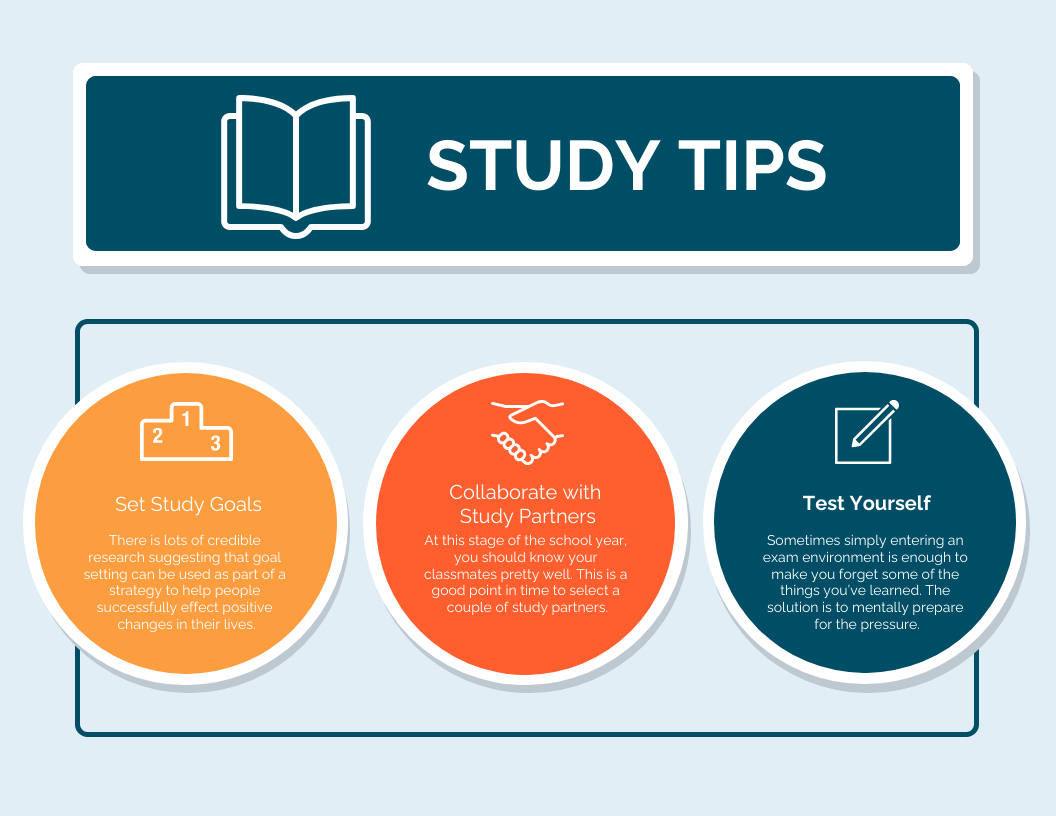
AI-powered learning platforms are increasingly sophisticated in their ability to assess student comprehension and progress. Beyond simply tracking hours spent studying, AI can provide a more nuanced understanding of learning patterns, identifying strengths and weaknesses, and ultimately improving the effectiveness of the learning process. This assessment goes beyond simple quiz scores to offer actionable insights for personalized learning strategies.
AI Tracking of Study Progress
AI systems can monitor various aspects of a student’s study journey, providing valuable insights into their learning progress. This involves tracking engagement metrics, such as time spent on specific tasks, frequency of access to learning materials, and completion rates of assignments. Furthermore, AI can automatically analyze interactions within learning platforms, identifying areas where students struggle and highlighting those where they excel.
This real-time feedback loop allows for proactive interventions and adjustments to learning strategies.
AI Analysis of Learning Patterns
AI algorithms can delve deeper than just surface-level metrics. They can analyze patterns in a student’s responses, identifying areas of strength and weakness, as well as pinpointing learning styles. This analysis allows for the development of tailored learning plans. For example, if a student consistently struggles with a particular mathematical concept, AI can recommend supplementary resources or alternative explanations, adapting the learning experience to the individual’s specific needs.
The identification of learning patterns can also highlight potential learning disabilities or learning preferences that require consideration.
Measuring Effectiveness of AI-Assisted Study
The effectiveness of AI-assisted study can be measured through various metrics. These include improvements in test scores, increased engagement with learning materials, and a reduction in the time required to master concepts. For instance, if students consistently demonstrate improved comprehension of core concepts after utilizing AI-driven feedback mechanisms, this indicates the positive impact of the AI tool. Quantitative and qualitative data, collected from various sources, can provide a comprehensive evaluation.
Personalized Feedback on Learning
AI can provide personalized feedback, tailored to the individual learning needs and preferences. This feedback goes beyond simple right/wrong answers. Instead, AI can pinpoint specific areas of confusion, suggesting alternative learning strategies and resources. This personalized approach can significantly improve the learning experience, addressing individual needs effectively. A student struggling with a particular grammar rule, for example, might receive targeted feedback highlighting common errors and suggesting interactive exercises to reinforce the concept.
Flow Chart of AI-Driven Learning Assessment

This flowchart illustrates the process of AI-driven learning assessment. The process begins with the student engaging with learning materials. AI systems monitor student engagement and interactions. Subsequently, AI algorithms analyze learning patterns, identifying strengths and weaknesses. This analysis generates personalized feedback, recommending targeted learning strategies and resources.
The process concludes with an evaluation of learning outcomes, assessing improvements in test scores, engagement, and time-to-master.
Integrating AI into Existing Study Habits

Integrating artificial intelligence (AI) tools into existing study habits can significantly enhance learning efficiency and effectiveness. This involves carefully navigating the transition from traditional study methods to a more integrated approach, ensuring a balanced and effective learning experience. AI tools offer a spectrum of potential benefits, but their optimal utilization hinges on strategic integration and mindful application.
Gradual Integration of AI Tools
A smooth transition is key to successfully integrating AI into existing study routines. Begin by identifying specific areas where AI can augment your current study process. For example, if note-taking is a challenge, explore AI-powered note-taking apps. Don’t try to overhaul your entire study schedule at once. A phased approach allows for adaptation and adjustment as needed.
Start with one or two AI tools and assess their impact on your learning style.
Balancing AI with Traditional Methods
AI tools are not meant to replace traditional study methods but rather to supplement and enhance them. Maintaining a balance between AI-assisted learning and traditional approaches is crucial for optimal results. For instance, utilize AI for summarizing complex texts, but still engage in active reading and critical analysis of the original material. This dual approach fosters deeper understanding and retention.
Strategies for Seamless Integration
Several strategies can facilitate a seamless integration of AI tools into a student’s workflow. First, schedule dedicated time for AI-assisted learning activities. Second, establish clear criteria for evaluating AI-generated outputs. Third, actively engage with the AI-generated content by critically examining its accuracy and relevance. Finally, develop a system for tracking and reflecting on the effectiveness of different AI tools in your study routine.
Potential Challenges in Integration
While AI offers substantial benefits, potential challenges exist. One challenge is the accessibility of AI tools and their associated costs. Another challenge is the potential for over-reliance on AI-generated information without sufficient critical analysis. Students may also encounter difficulty in understanding and adapting to the nuances of different AI tools.
Critical Thinking in AI-Assisted Learning
“While AI can be a powerful tool, critical evaluation of the information generated by these tools is essential.”
The effective use of AI tools in learning requires a strong foundation in critical thinking. Students must critically evaluate the accuracy, completeness, and relevance of the information provided by AI. This involves verifying the source of the information, comparing it with other sources, and identifying potential biases or limitations. Developing this critical evaluation skill is paramount to ensuring accurate and meaningful learning.
Example of Integrating AI for Note-Taking
One practical example involves using an AI-powered note-taking app. Instead of simply transcribing lecture content, the student can use the app to summarize key concepts, identify relationships between ideas, and generate concise study notes. These notes can then be reviewed and further refined through traditional methods of active recall and elaboration.
Closure
In conclusion, leveraging AI for faster learning empowers you to study smarter, not harder. By integrating AI tools into your existing study routine and applying the techniques Artikeld in this guide, you can achieve significant improvements in your learning outcomes. Remember, critical evaluation of AI-generated information is key to maximizing its benefits. This guide provides a solid foundation for navigating the exciting world of AI-assisted learning, empowering you to unlock your full academic potential.